


 English
 русский
CATEGORIES
RF Coaxial Connector Manufacturers
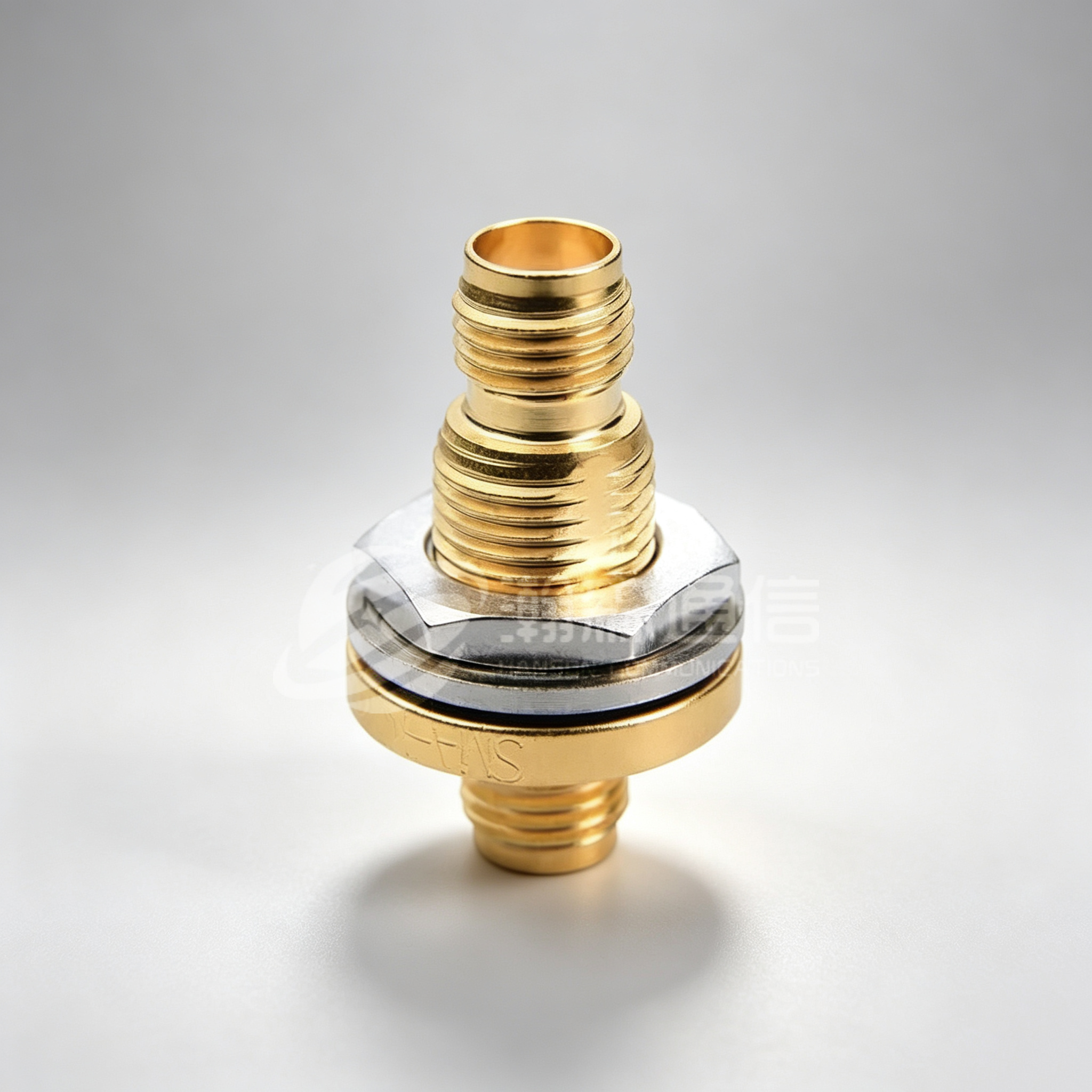
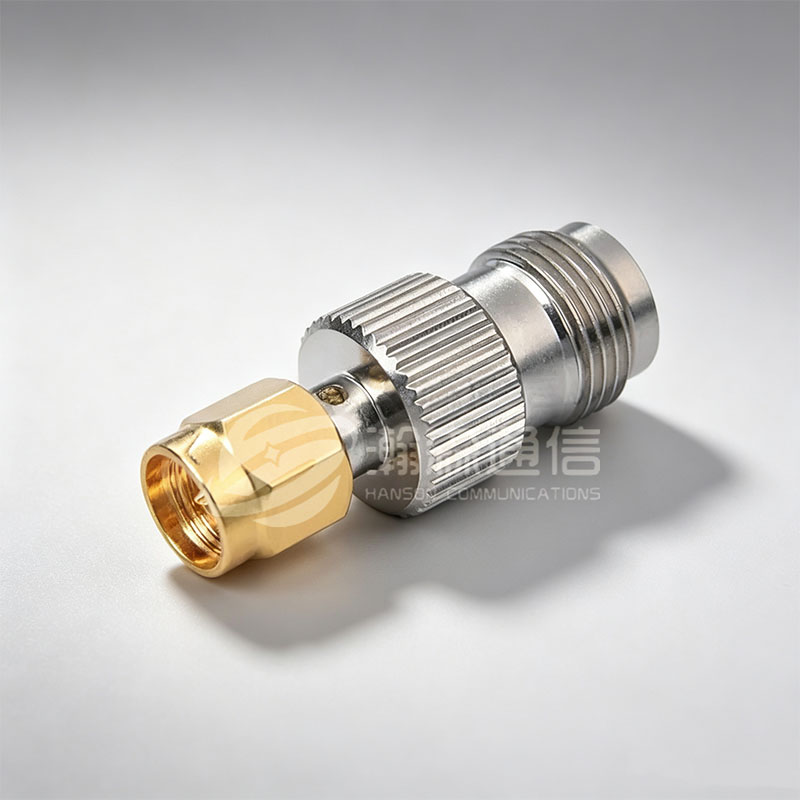
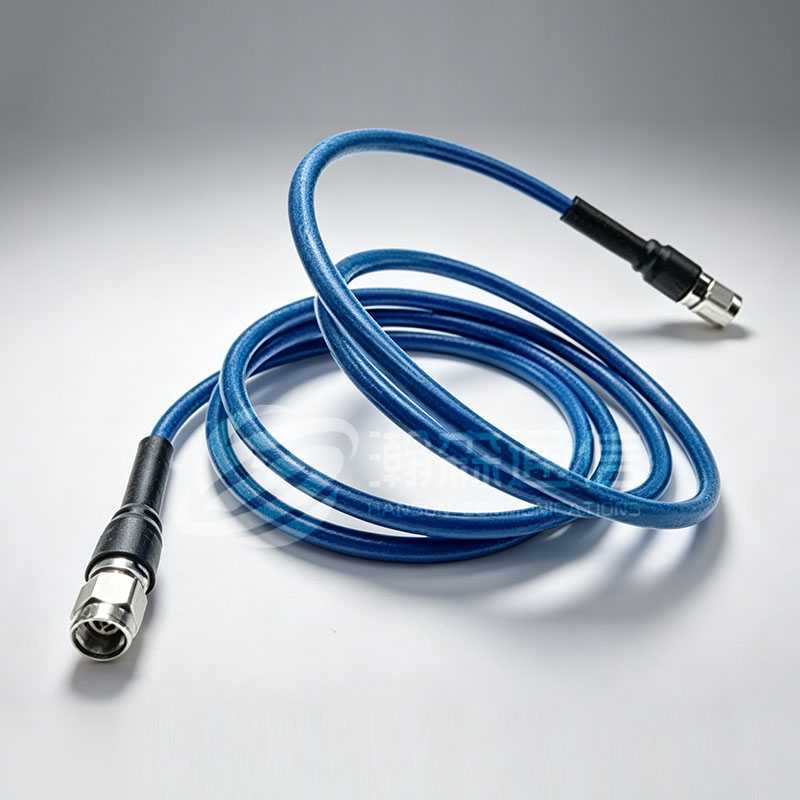
RF Coaxial Connector is an electrical connector used for radio frequency (RF) signal transmission. It is usually used for the connection of high-frequency signals to ensure the stability and reliability of signal transmission. RF coaxial connectors are commonly used in communication equipment, television, broadcasting, wireless networks and other fields.
| Connector Types | Frequency Range | Key Features | Advantages | Typical Applications |
| SMA | DC~18GHz (Precision version up to 26.5GHz) | Ultra-small threaded connection, 50Ω impedance | Compact size, wide application, excellent performance, moderate cost | Microwave systems, walkie-talkies, GPS antennas, SDR equipment, radio astronomy |
| N-type | DC~11GHz (Precision version up to 18GHz) | Medium threaded connection, 50Ω/75Ω impedance options | Rugged and durable, high power handling capacity, excellent shielding performance (<-100dB), low signal loss | Base station communications, radar systems, test and measurement, telecommunications infrastructure, wireless networks |
| TNC | DC~11GHz | BNC threaded version, 50Ω/75Ω impedance | Good vibration resistance, reliable connection, frequency performance superior to BNC | Antennas, avionics, wireless communications, defense, high-vibration environments |
| 2.4mm | DC~50GHz | Precision millimeter-wave connector, 50Ω impedance, threaded connection | No high-order mode generation up to 50GHz, excellent performance, good damage resistance; reliable structure, good repeatability | Millimeter-wave communications, precision testing, satellites, radar, radio astronomy, 5G R&D |
| 1mm | DC~110GHz | Highest frequency precision connector, 50Ω impedance, threaded mount | Ultra-wideband characteristics (multiple tests completed with a single connection); excellent high-frequency performance, low insertion loss | 110GHz (5G) testing, semiconductor testing, R&D laboratories, high-frequency sensing |
| BNC | DC~4GHz (High-quality version up to 12GHz) | Miniature bayonet connection, 50Ω/75Ω impedance | Quick plug-and-play, tool-free; relatively low cost; easy operation | Testing equipment, video signals, wireless communications, broadcasting, nuclear instruments |
-
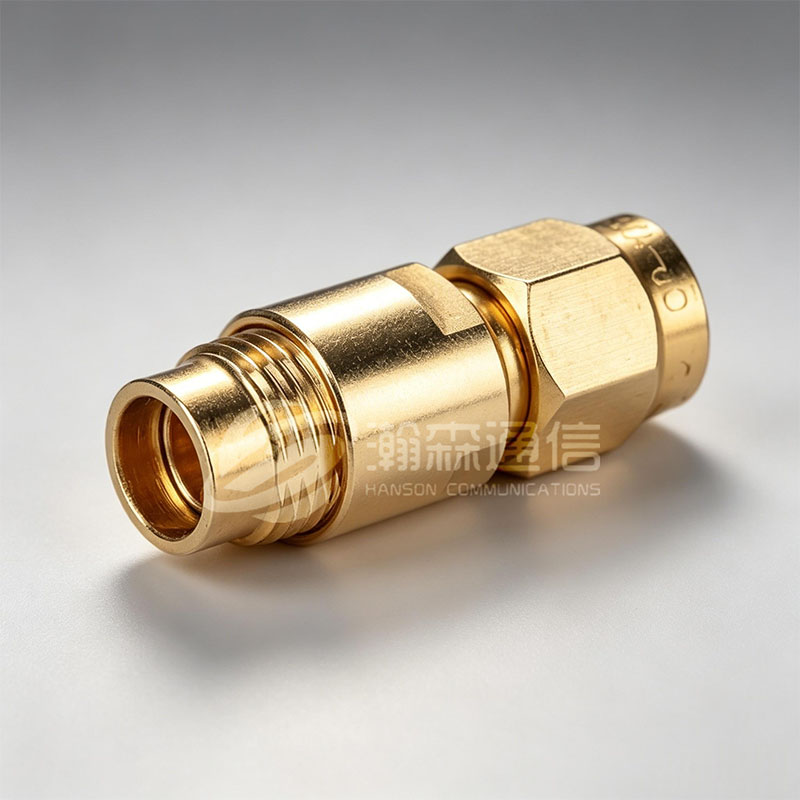
SMA Connector
Details:
SMA RF coaxial connector is a RF coaxial connector with a threaded connection mechanism developed an...view more -
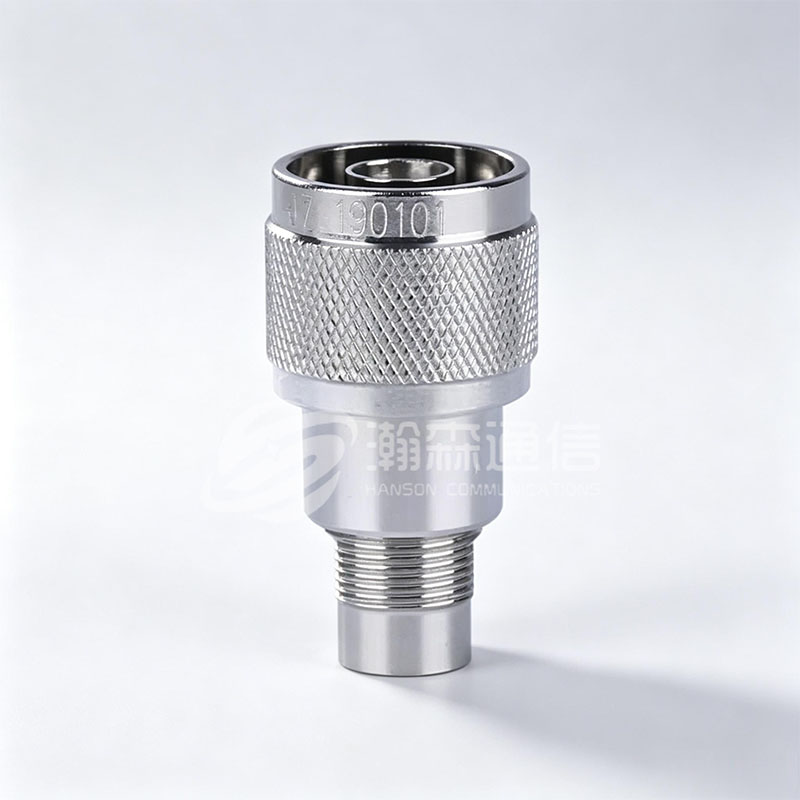
N-type RF Coaxial Connector
Details:
The N-type series RF coaxial connector is a RF coaxial connector with a threaded connection mechanis...view more -
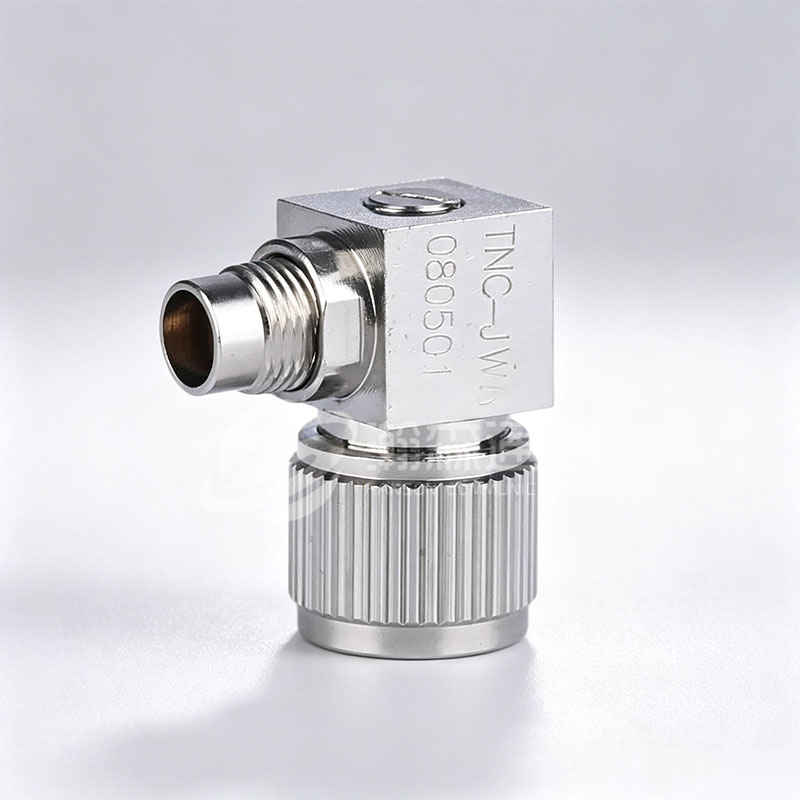
TNC Connector
Details:
TNC series RF coaxial connectors are developed and produced according to the US military standard MI...view more -
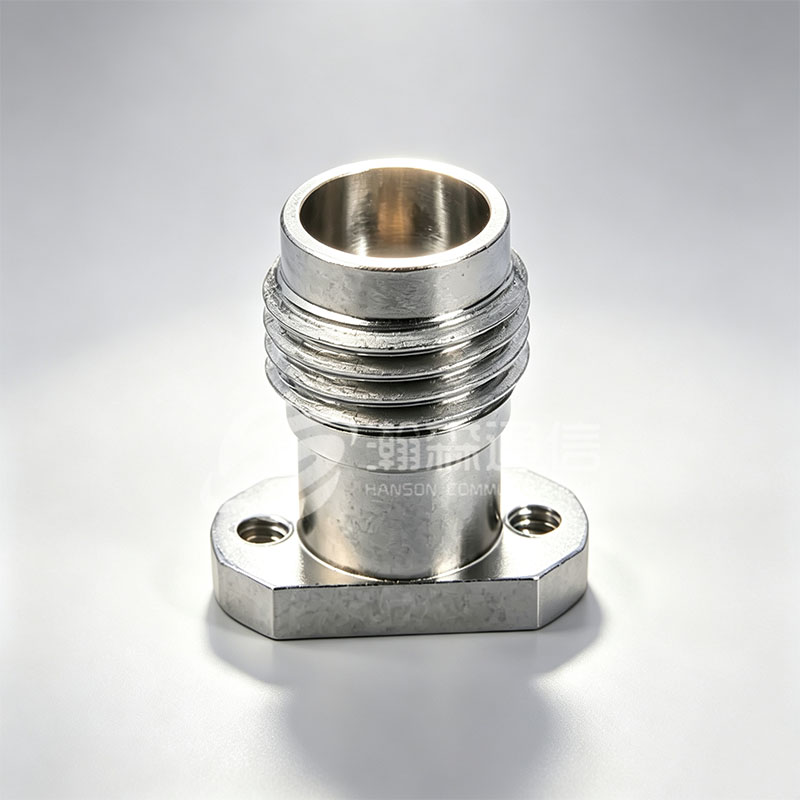
2.4mm RF Coaxial Connector
Details:
The 2.4mm series connector is a high-frequency RF connector designed for high-precision, high-freque...view more -
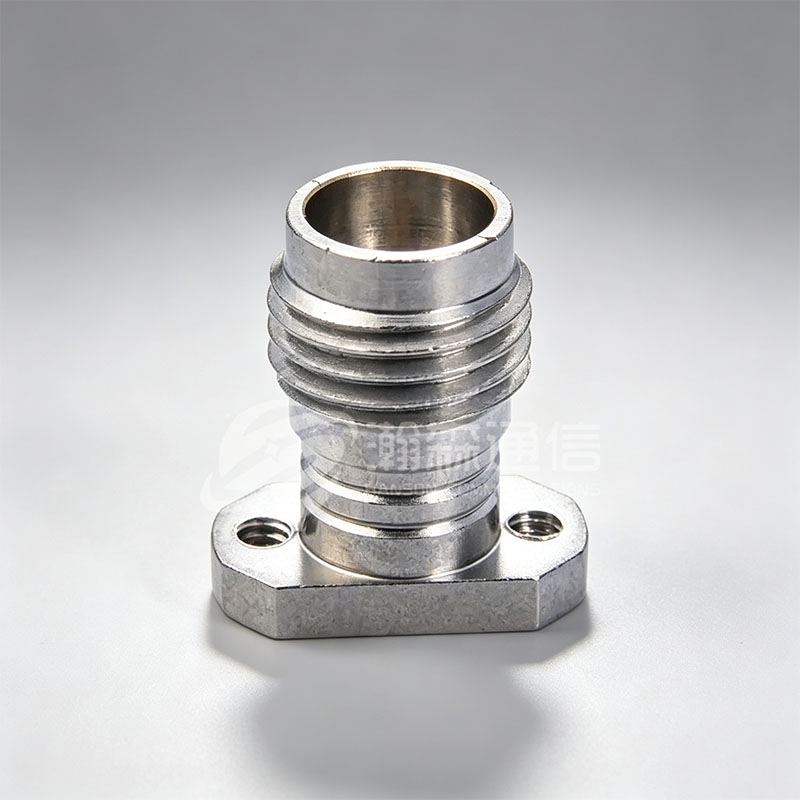
1.85mm RF Coaxial Connector
Details:
The 1.85mm series connector (also known as the 1.85mm RF connector) is a high-performance radio freq...view more -
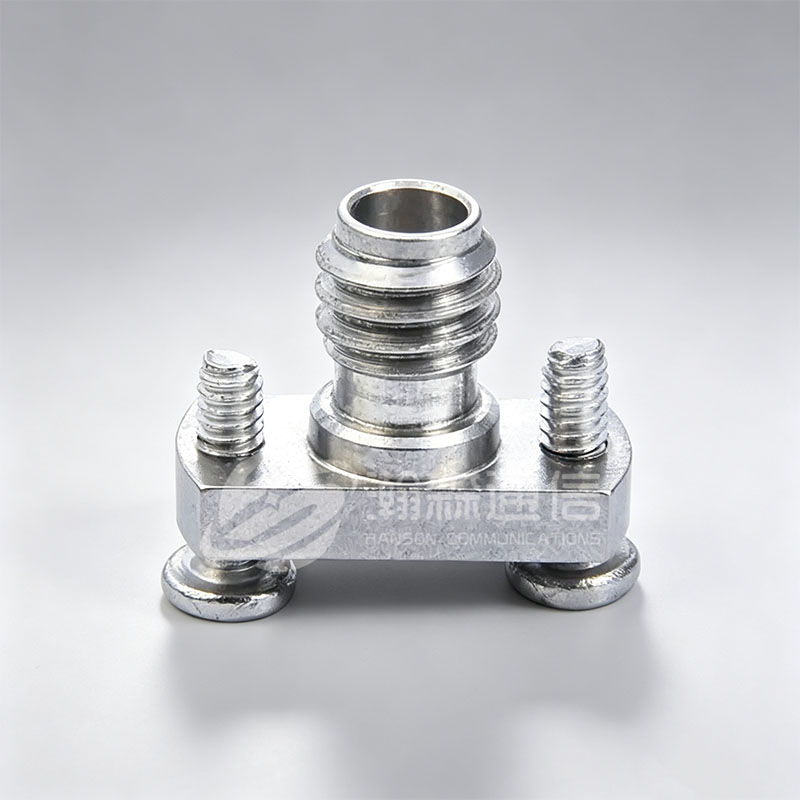
1.0mm RF Coaxial Connector
Details:
1.0mm RF connector is a miniaturized RF coaxial connector, usually used for high-frequency signal tr...view more -
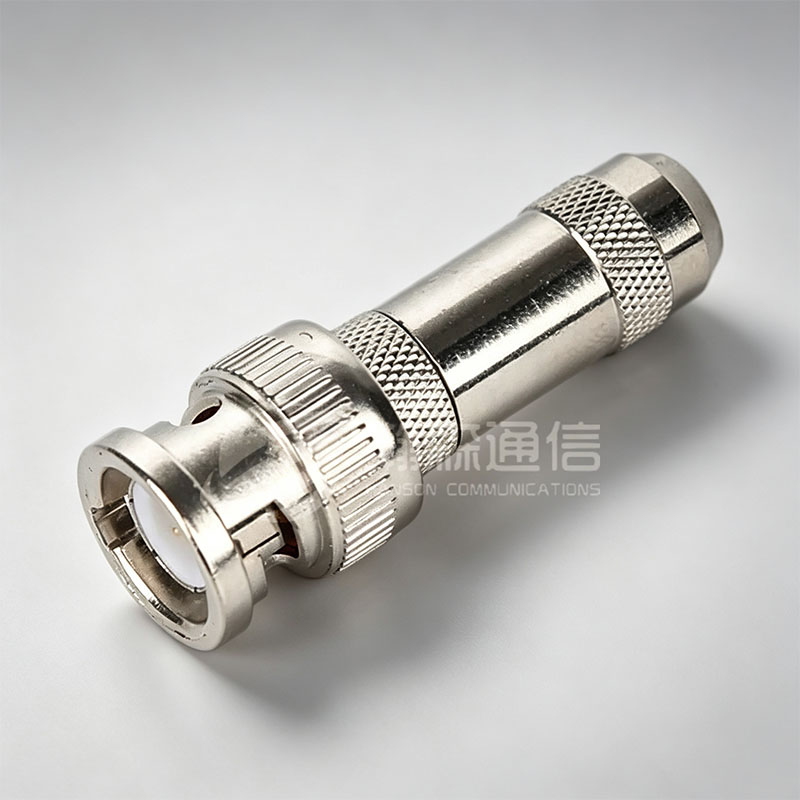
BNC Connector
Details:
The BNC series RF coaxial connector is a bayonet-type RF coaxial connector developed in accordance w...view more
About Us

Ningbo Hanson Communication Technology Co., Ltd.
Ningbo Hanson Communication Technology Co., Ltd. is China RF Coaxial Connector Manufacturers and
Wholesale 50 Ohm & 75 Ohm RF Coaxial Connector Factory. We are a manufacturer specializing in the production, processing, and trade of communication components, with more than 30 years of experience in RF coaxial connectors, adapters, and cable assemblies.
The company has now developed its own machining workshop, electroplating workshop, assembly workshop, and a group of stable and reliable suppliers. The company's purpose is to provide customers with high-quality products. The main products
are RF coaxial connectors, adapters, high-frequency cable assemblies, and low intermodulation cable assemblies. In addition, the company can also provide services for customers with customized needs to meet customers' special requirements for products.
The company's products are widely used in aerospace, communication base stations, medical equipment, and other high-tech fields. At the time of enterprise reform, innovation, development, and growth, the company took the initiative to join the ISO9001 international quality management system and continuously improved the management level so as to provide more satisfactory products and services to new and old customers.
Latest News
-
A technician bolts a BNC-fed antenna to a mast, runs a vibration sweep, and watches the received level flutter by a few tenths of a dB. Nothing has failed. The bayonet collar has simply backed off a fraction of a turn. Refit the same cable run with a TNC and the flutter disappears, because the threaded coupling keeps ...
READ MORE -
If you are building a 5G small cell, a bench-test rack, or a satellite ground terminal, the connector at the end of the coaxial cable is usually the last item specified and the first one to cause trouble. A 2.4 mm plug will not mate with a 1.0 mm port, a 75 ohm BNC will not preserve a 50 ohm path, and an interface rat...
READ MORE -
A jumper comes off the bench, is offered up to a spectrum analyser port, and will not seat. Nothing is broken. One end is an SMA, the other a 2.4 mm; both are 50 Ω, both look like the same threaded barrel, and they are not intermateable. A coaxial connector types chart exists to stop that order before it is placed, by...
READ MORE
RF Coaxial Connector Industry knowledge
RF coaxial connectors are specialized connectors used to transmit high-frequency electrical signals. As key components of modern electronic systems, they play an irreplaceable role in communications, military, aerospace, and other fields. Ningbo Hansen Communication Technology Co., Ltd. is a Chinese RF coaxial connector manufacturer and wholesaler of 50-ohm and 75-ohm RF coaxial connectors.
RF coaxial connectors are based on electromagnetic field transmission theory and achieve low-loss transmission of high-frequency signals through a precisely designed coaxial structure. Their core principle is to maintain a consistent characteristic impedance (typically 50Ω or 75Ω), allowing electromagnetic waves to propagate as transverse electromagnetic waves (TEM mode). When the connectors are mated, the inner and outer conductors form a continuous transmission path. The elastic contact design and surface treatment ensure minimal contact resistance (typically <1mΩ).
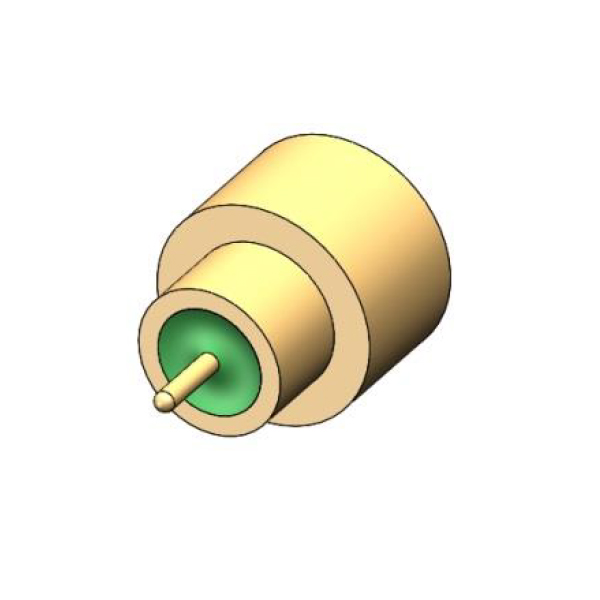
A standard RF coaxial connector consists of three core components:
1) Center Conductor: Made of materials such as beryllium copper alloy, with a gold-plated surface.
2) Dielectric Support: Commonly made of low-dielectric-loss materials such as PTFE and ceramic.
3) Outer Conductor: Precision-machined to ensure mechanical strength and shielding effectiveness.
Proper installation of RF coaxial connectors is critical to ensuring system signal transmission quality and requires strict adherence to scientific operating procedures and technical requirements. Thorough preparation is essential before installation, including checking the accuracy of the torque wrench, creating an anti-static work environment, and rigorously inspecting the connector to ensure end-face scratches do not exceed 0.05mm and contact resistance is less than 1mΩ. The installation environment should be maintained in a clean room with a temperature of 15-30°C and a humidity of no more than 60% RH. The work surface must meet anti-static standards.
The installation process begins with meticulous end-face preparation using a three-step cleaning method: first, use air to remove surface particles, then wipe with a non-woven cloth soaked in anhydrous ethanol in a single direction, and finally allow to dry for 2 minutes. Professional testing equipment is required for alignment and calibration to ensure that the axial deviation angle is controlled within ±0.5° and the radial offset does not exceed 0.02mm. Tightening requires staged force application, starting with pre-tightening and then gradually increasing to the specified torque value. Torque requirements vary for different connector types. For example, the standard torque for SMA connectors is 0.23N·m±0.02, while that for N connectors is 1.36N·m±0.05. After installation, comprehensive performance verification must be conducted, including insertion loss testing, voltage standing wave ratio testing, and third-order intermodulation testing. Mechanical reliability must also be verified through axial tension testing and vibration testing.
Looking For Business Opportunity?
Request for a call today
-

+86-15715730755
-

-

No. 1, Longcao Road, Dongqian Lake Tourism Resort Industrial Zone, Yinzhou District, Ningbo City, Zhejiang, China.
Message
Copyright © Ningbo Hanson Communication Technology Co., Ltd.
