


 English
 русский
CATEGORIES

RF Coaxial Adapter Manufacturers
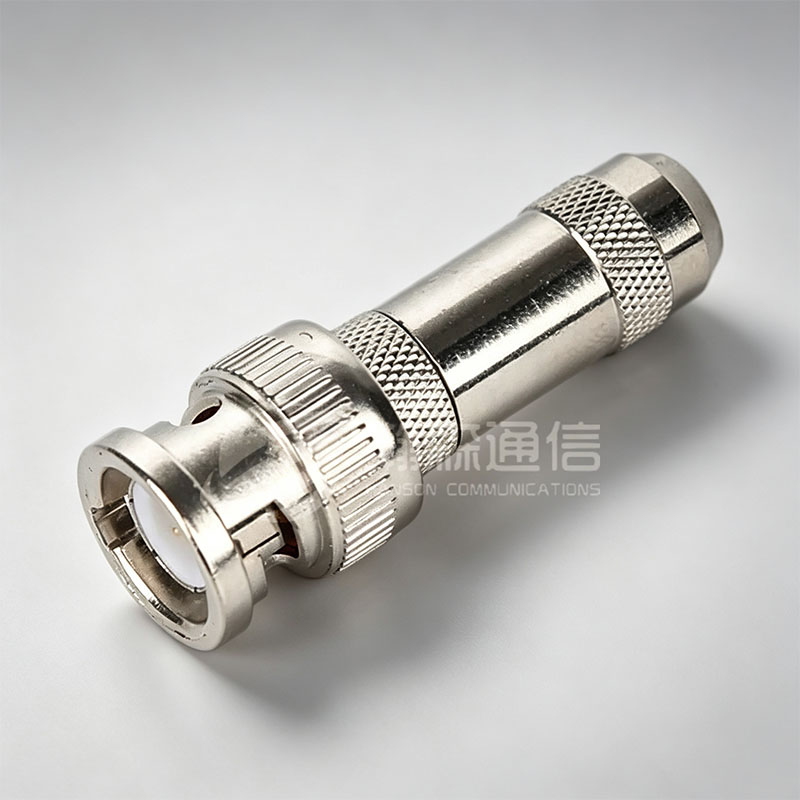
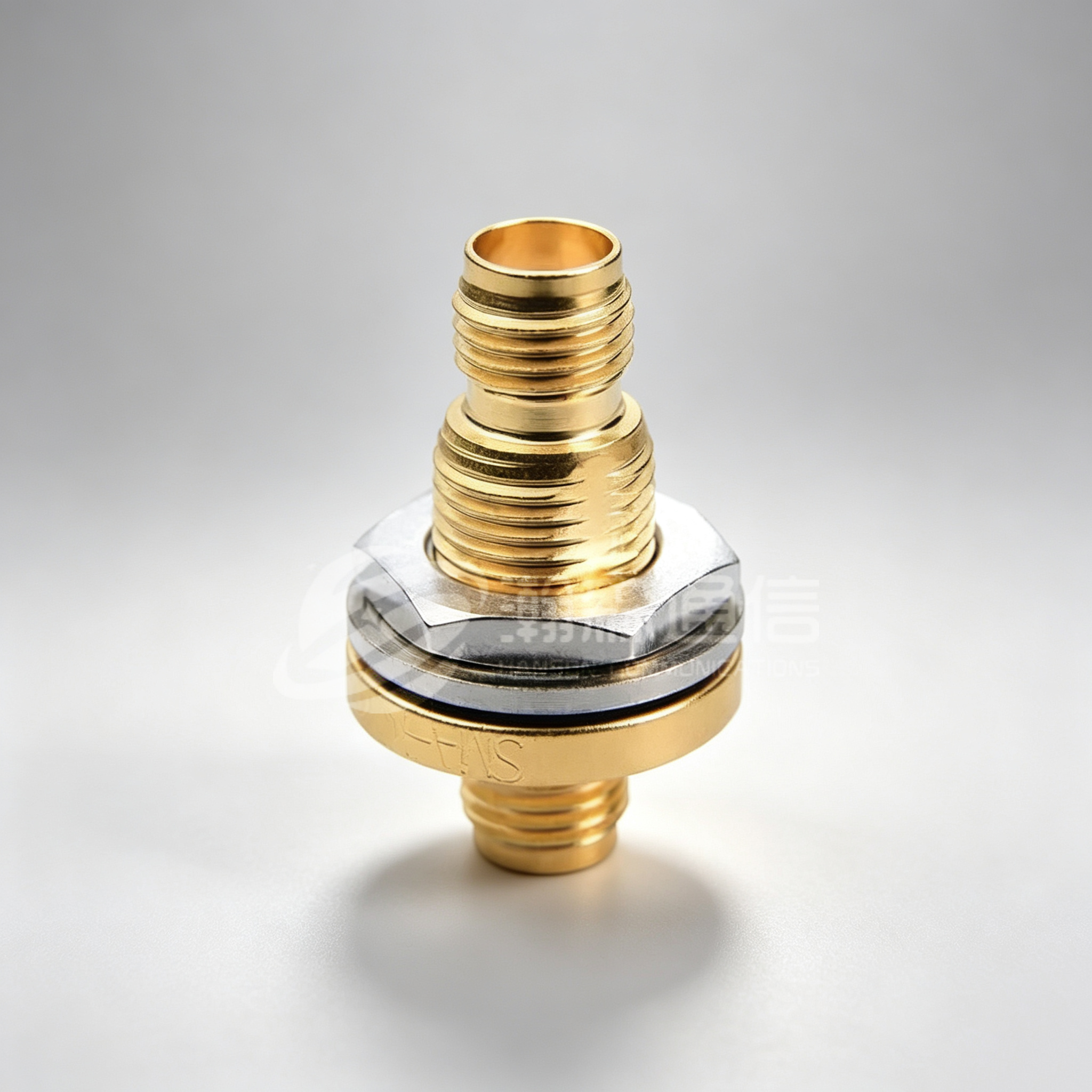
RF Coaxial Adapter is a device used to connect different types of RF coaxial connectors. It is usually used to achieve the connection between two different interface types to ensure the transmission of signals between connectors of different standards or sizes. The main function of RF coaxial adapter is to change the connection method, convert the interface type or adapt to devices with different frequency and impedance requirements.
-
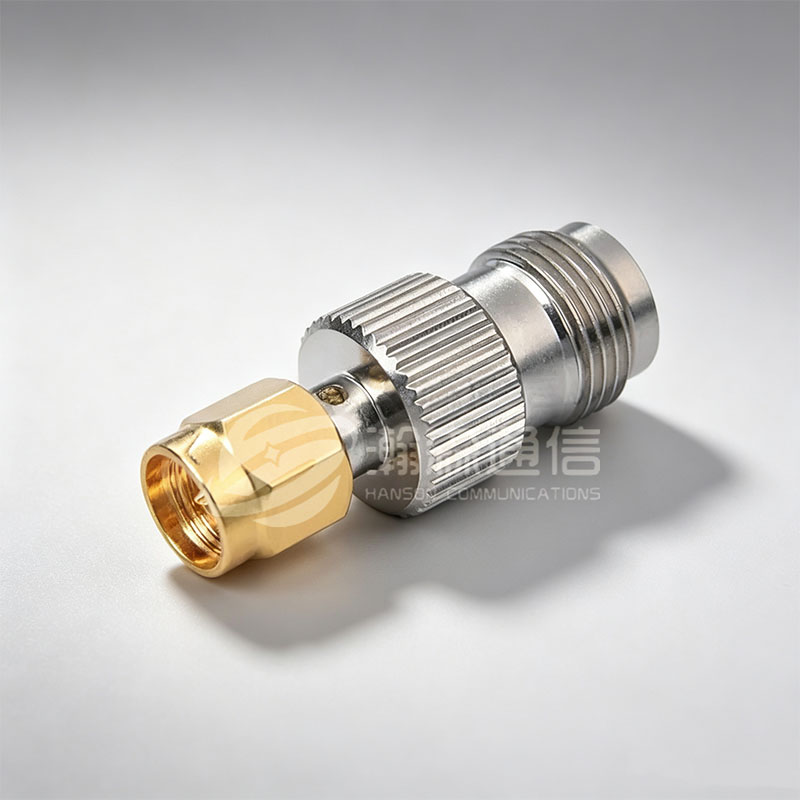
SMA to TNC Series RF Coaxial Adapter
Details:
The SMA to TNC series adapter is an adapter used to connect SMA (SubMiniature version A) connectors ...view more -
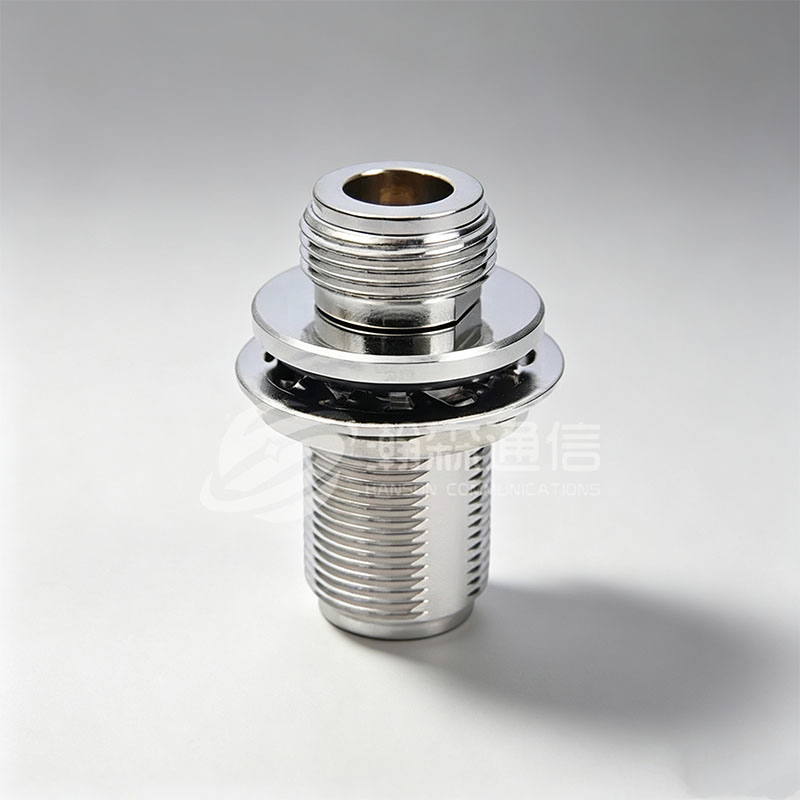
N-Type to N-Type Series RF Coaxial Adapter
Details:
The N-type to N-type series adapter is a radio frequency (RF) adapter used to connect two N-type con...view more -
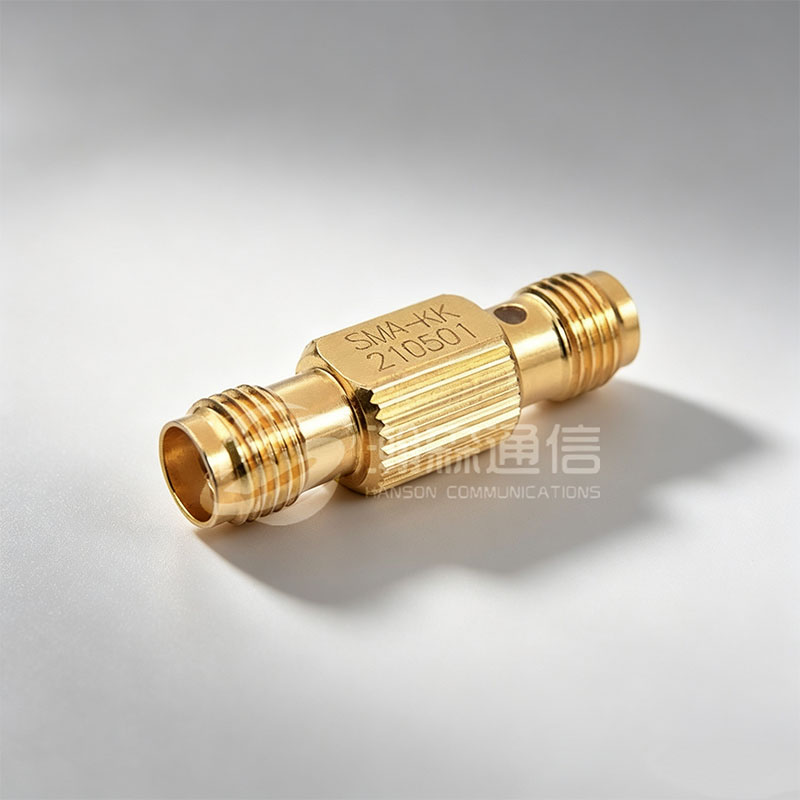
SMA to SMA Series RF Coaxial Adapter
Details:
The SMA to SMA series adapter is an adapter used to connect two SMA (SubMiniature version A) radio f...view more
About Us

Ningbo Hanson Communication Technology Co., Ltd.
Ningbo Hanson Communication Technology Co., Ltd. is China Male To Female RF Coaxial Adapter Manufacturers and
Wholesale 4 Hole Flange Adapter Factory. We are a manufacturer specializing in the production, processing, and trade of communication components, with more than 30 years of experience in RF coaxial connectors, adapters, and cable assemblies.
The company has now developed its own machining workshop, electroplating workshop, assembly workshop, and a group of stable and reliable suppliers. The company's purpose is to provide customers with high-quality products. The main products
are RF coaxial connectors, adapters, high-frequency cable assemblies, and low intermodulation cable assemblies. In addition, the company can also provide services for customers with customized needs to meet customers' special requirements for products.
The company's products are widely used in aerospace, communication base stations, medical equipment, and other high-tech fields. At the time of enterprise reform, innovation, development, and growth, the company took the initiative to join the ISO9001 international quality management system and continuously improved the management level so as to provide more satisfactory products and services to new and old customers.
Latest News
-
A technician bolts a BNC-fed antenna to a mast, runs a vibration sweep, and watches the received level flutter by a few tenths of a dB. Nothing has failed. The bayonet collar has simply backed off a fraction of a turn. Refit the same cable run with a TNC and the flutter disappears, because the threaded coupling keeps ...
READ MORE -
If you are building a 5G small cell, a bench-test rack, or a satellite ground terminal, the connector at the end of the coaxial cable is usually the last item specified and the first one to cause trouble. A 2.4 mm plug will not mate with a 1.0 mm port, a 75 ohm BNC will not preserve a 50 ohm path, and an interface rat...
READ MORE -
A jumper comes off the bench, is offered up to a spectrum analyser port, and will not seat. Nothing is broken. One end is an SMA, the other a 2.4 mm; both are 50 Ω, both look like the same threaded barrel, and they are not intermateable. A coaxial connector types chart exists to stop that order before it is placed, by...
READ MORE
RF Coaxial Adapter Industry knowledge
RF coaxial connectors are key nodes in high-frequency signal transmission, and their installation quality directly impacts the performance of the entire communication system. They are typically used to connect two different interface types, ensuring signal transmission between connectors of different standards or sizes. RF coaxial adapters primarily serve to change connection methods, convert interface types, or adapt to devices with different frequency and impedance requirements. Ningbo Hansen Communication Technology Co., Ltd. is a manufacturer specializing in the production, processing, and trading of communications components, with over 30 years of experience in RF coaxial connectors, adapters, and cable assemblies. The company has developed its own machining, electroplating, and assembly shops, along with a stable and reliable network of suppliers.
1. Pre-Installation Preparations
Environmental Control Requirements:
The installation environment should maintain a stable temperature of 15-30°C and a relative humidity of ≤60%. The work area cleanliness level must meet ISO Class 6 standards. The work surface must meet anti-static requirements, with a surface resistivity within the range of 1×10⁴-1×10⁶Ω.
Tools and Testing Equipment:
High-precision torque wrench (±0.1 N·m)
End-face inspection microscope (magnification ≥40X)
Network analyzer (frequency range covers the test band)
Professional cleaning kit (includes anhydrous ethanol, dust-free cloth, etc.)
Connector Quality Inspection: Use optical inspection equipment to inspect the connector end face to ensure scratch depth is ≤0.05mm and that there are no visible surface contaminants. Contact resistance should be ≤1mΩ, and impedance matching tolerance should be within ±1Ω.
2. RF Coaxial Adapter Maintenance Guide
Cleaning and Maintenance
Clean the connector monthly with anhydrous ethanol (purity ≥99.7%) and a dust-free cloth. Treat stubborn stains with a dedicated RF connector cleaner. Maintain a single-direction wipe when cleaning (do not wipe in a rotating motion).
Contact Inspection
Check the elastic recovery of the center pin weekly. Observe contact surface wear using a 10x magnifying glass. Measure contact resistance (should be ≤2mΩ).
Protective Measures
Install a dust cap (IP54 rating) when not in use for extended periods.
Store in an ambient humidity ≤60% RH. Avoid storage with organic solvents.
Looking For Business Opportunity?
Request for a call today
-

+86-15715730755
-

-

No. 1, Longcao Road, Dongqian Lake Tourism Resort Industrial Zone, Yinzhou District, Ningbo City, Zhejiang, China.
Message
Copyright © Ningbo Hanson Communication Technology Co., Ltd.
