


 English
 русский
CATEGORIES

RF Cable Assembly Manufacturers
RF Cable Assembly is a complete assembly consisting of RF coaxial cables and connectors, used to provide electrical connections in RF signal transmission. RF cable assemblies can transmit signals from one device to another and are commonly used in various applications that require high-frequency signal transmission, such as communications, broadcasting, television, test and measurement, etc.
-
Super Low-Loss Flexible Cable Assembly
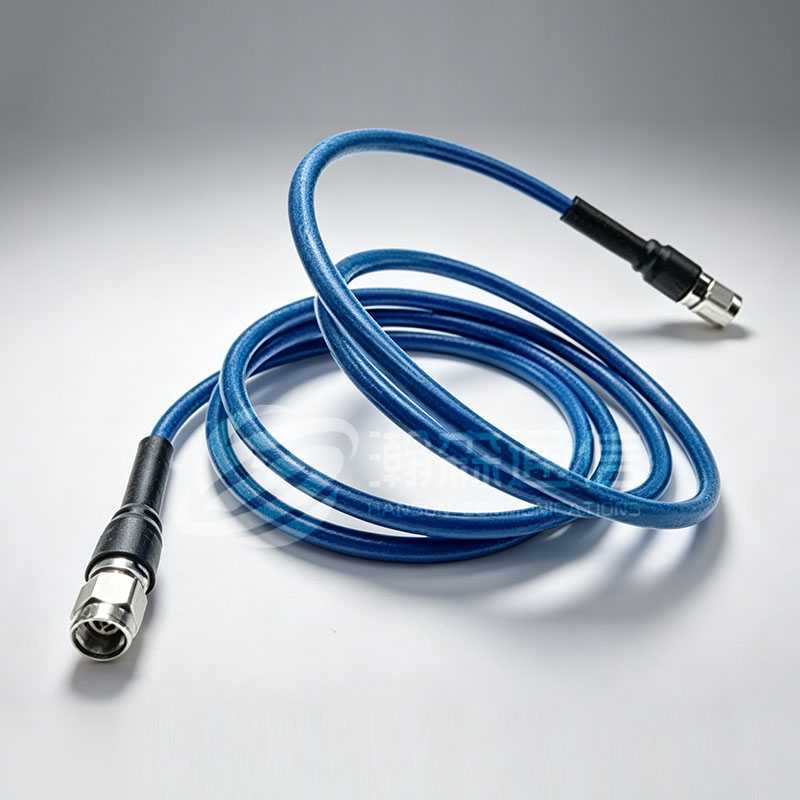
Details:
Super low-loss flexible cable assembly is a high-performance RF connection solution designed for hig...view more
About Us

Ningbo Hanson Communication Technology Co., Ltd.
Ningbo Hanson Communication Technology Co., Ltd. is China RF Cable Assembly Manufacturers and
Wholesale Semi Rigid/Semi Flexible Cable Assembly Factory. We are a manufacturer specializing in the production, processing, and trade of communication components, with more than 30 years of experience in RF coaxial connectors, adapters, and cable assemblies.
The company has now developed its own machining workshop, electroplating workshop, assembly workshop, and a group of stable and reliable suppliers. The company's purpose is to provide customers with high-quality products. The main products
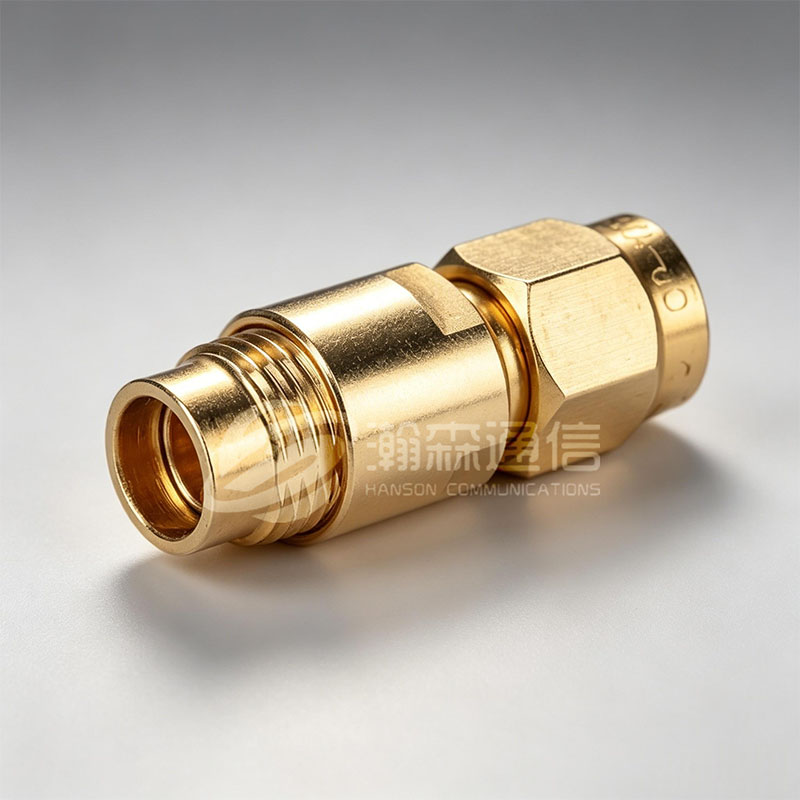
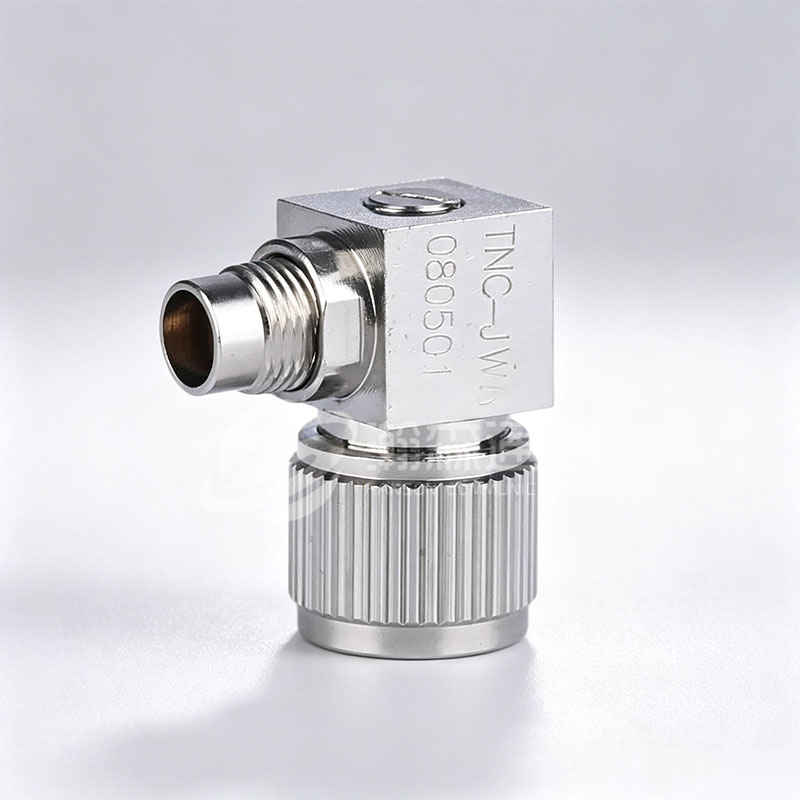
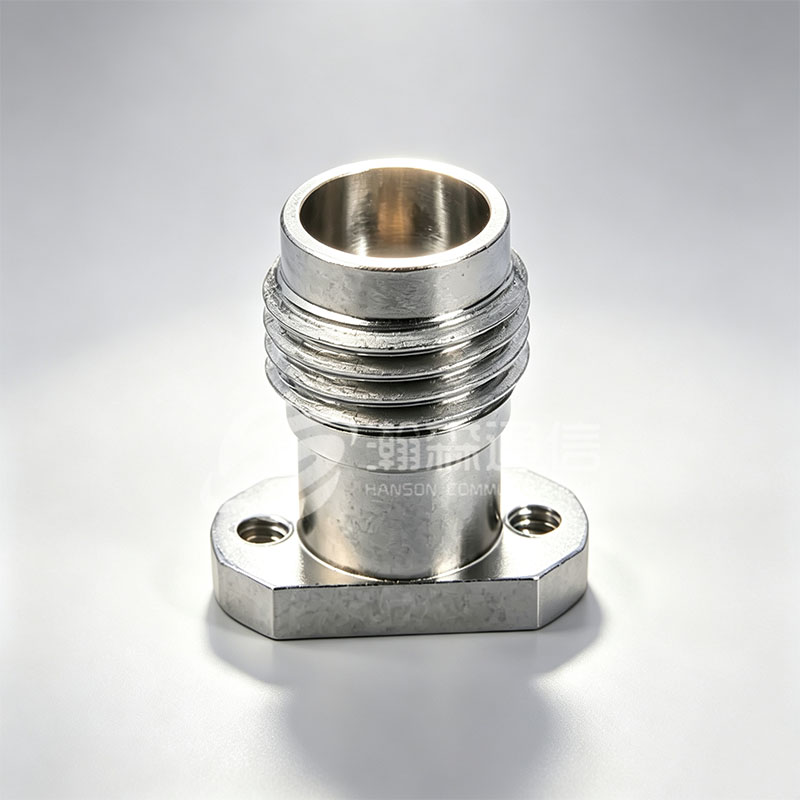
are RF coaxial connectors, adapters, high-frequency cable assemblies, and low intermodulation cable assemblies. In addition, the company can also provide services for customers with customized needs to meet customers' special requirements for products.
The company's products are widely used in aerospace, communication base stations, medical equipment, and other high-tech fields. At the time of enterprise reform, innovation, development, and growth, the company took the initiative to join the ISO9001 international quality management system and continuously improved the management level so as to provide more satisfactory products and services to new and old customers.
Latest News
-
A technician bolts a BNC-fed antenna to a mast, runs a vibration sweep, and watches the received level flutter by a few tenths of a dB. Nothing has failed. The bayonet collar has simply backed off a fraction of a turn. Refit the same cable run with a TNC and the flutter disappears, because the threaded coupling keeps ...
READ MORE -
If you are building a 5G small cell, a bench-test rack, or a satellite ground terminal, the connector at the end of the coaxial cable is usually the last item specified and the first one to cause trouble. A 2.4 mm plug will not mate with a 1.0 mm port, a 75 ohm BNC will not preserve a 50 ohm path, and an interface rat...
READ MORE -
A jumper comes off the bench, is offered up to a spectrum analyser port, and will not seat. Nothing is broken. One end is an SMA, the other a 2.4 mm; both are 50 Ω, both look like the same threaded barrel, and they are not intermateable. A coaxial connector types chart exists to stop that order before it is placed, by...
READ MORE
RF Cable Assembly Industry knowledge
RF cable assemblies are essential transmission components in modern electronic systems, primarily used for stable transmission and reliable connection of high-frequency signals. They serve as the "blood vessels" connecting RF devices and antennas. They transmit signals from one device to another and are commonly used in various applications requiring high-frequency signal transmission, such as communications, broadcasting, television, and test and measurement.
RF cable assemblies operate based on coaxial transmission line theory, achieving efficient electromagnetic wave transmission through a carefully designed layered structure. The core consists of an inner conductor (typically silver-plated copper wire), a dielectric layer (commonly foamed polyethylene or PTFE), an outer conductor (braided copper mesh or aluminum foil), and a jacket. This coaxial structure effectively confines electromagnetic waves to propagate in the TEM mode within the dielectric layer between the inner and outer conductors. High-quality cable assemblies achieve a stable characteristic impedance of 50Ω or 75Ω through precise control of the dielectric constant and structural dimensions of each layer. Multi-layer shielding also achieves electromagnetic interference attenuation exceeding 90dB. Ningbo Hansen Communication Technology Co., Ltd. provides customers with high-quality products. Its main products include RF coaxial connectors, adapters, high-frequency cable assemblies, and low-intermodulation cable assemblies. The company also offers customized services to meet specific customer requirements.
Regarding maintenance, RF cable assemblies require special attention to the following key points: First, regularly check the tightness and cleanliness of the connector interface, using specialized cleaning tools to remove oxide layers and contaminants. Second, avoid excessive cable bending (the minimum bend radius should be no less than five times the cable's outer diameter) to prevent mechanical stress and damage to the internal structure. Third, establish a regular inspection system, using a network analyzer to monitor insertion loss and standing wave ratio changes. If the insertion loss increases by more than 15% of the initial value or the standing wave ratio exceeds 1.5, the cable should be replaced promptly. Finally, when used in mobile environments, a strain relief device should be installed at the base of the connector to prevent connection failure due to repeated bending. Through scientific maintenance and management, the service life of the cable assembly can be significantly extended, ensuring long-term stable system operation.
Looking For Business Opportunity?
Request for a call today
-

+86-15715730755
-

-

No. 1, Longcao Road, Dongqian Lake Tourism Resort Industrial Zone, Yinzhou District, Ningbo City, Zhejiang, China.
Message
Copyright © Ningbo Hanson Communication Technology Co., Ltd.
