


 English
 русский
OEM 2.4mm RF Coaxial Connector Supplier

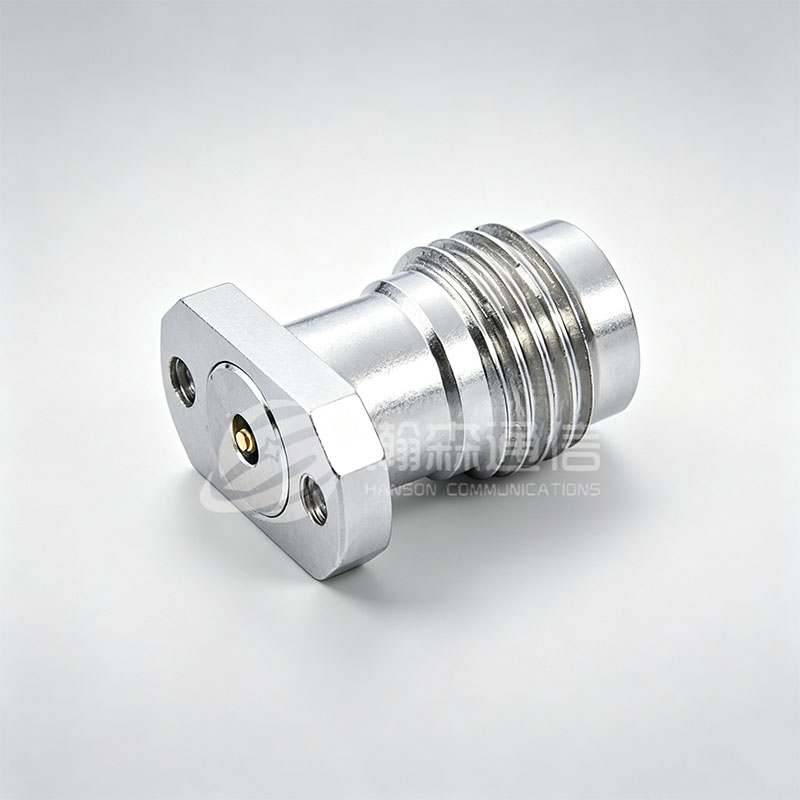
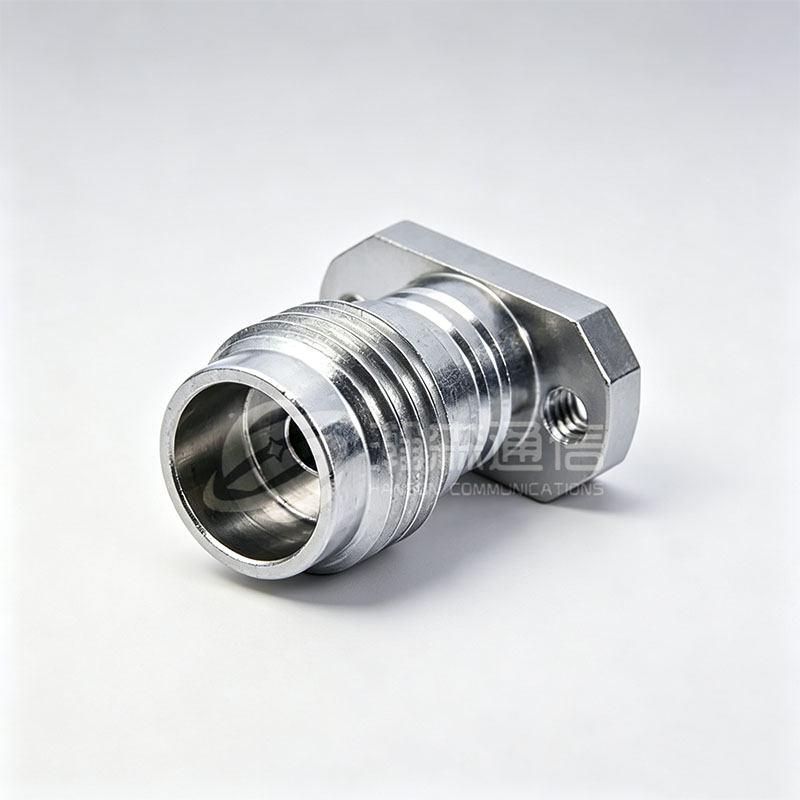
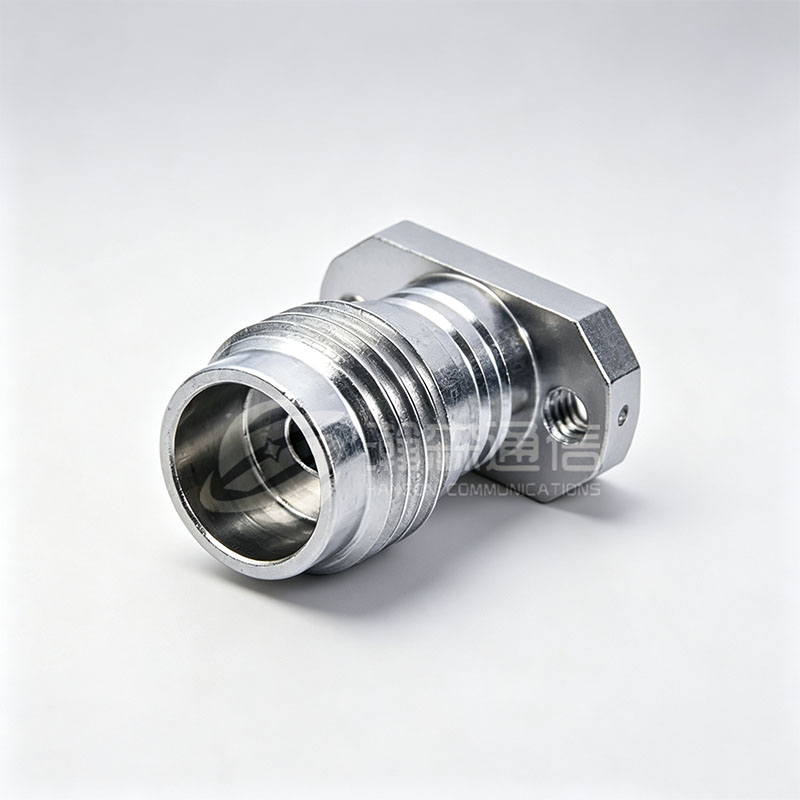
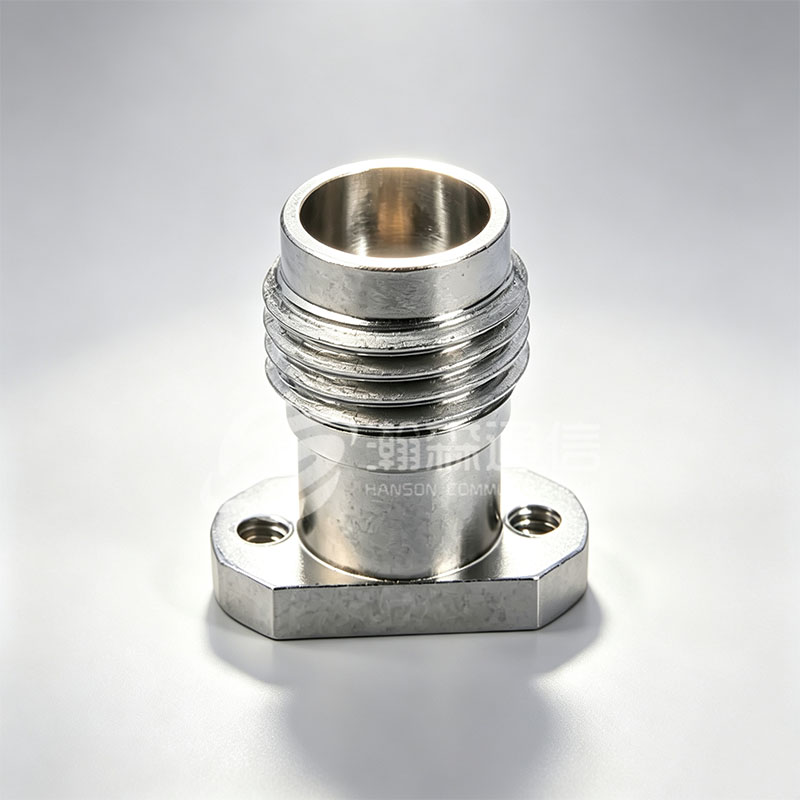
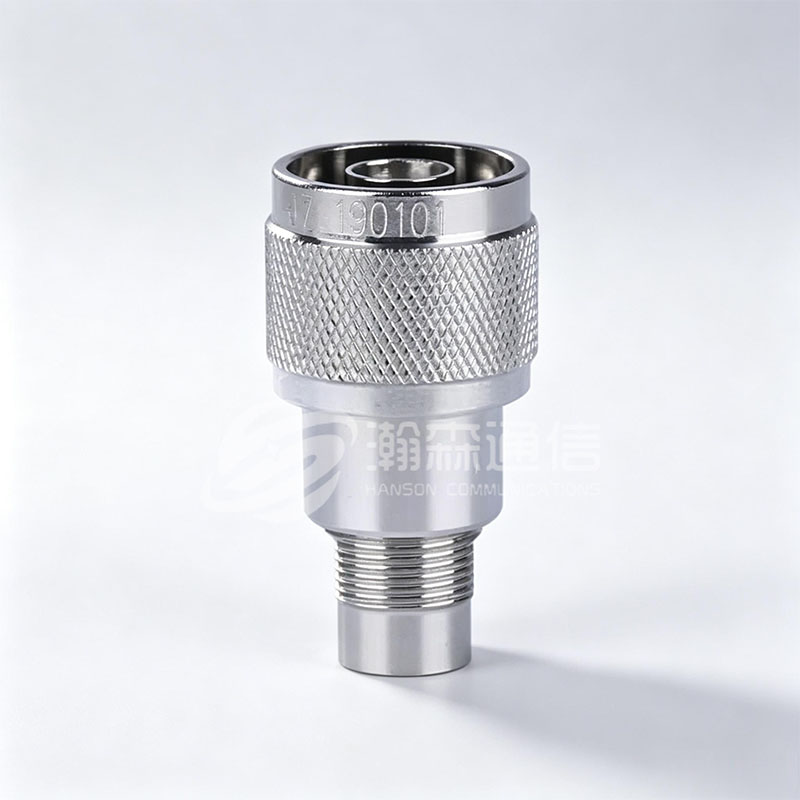
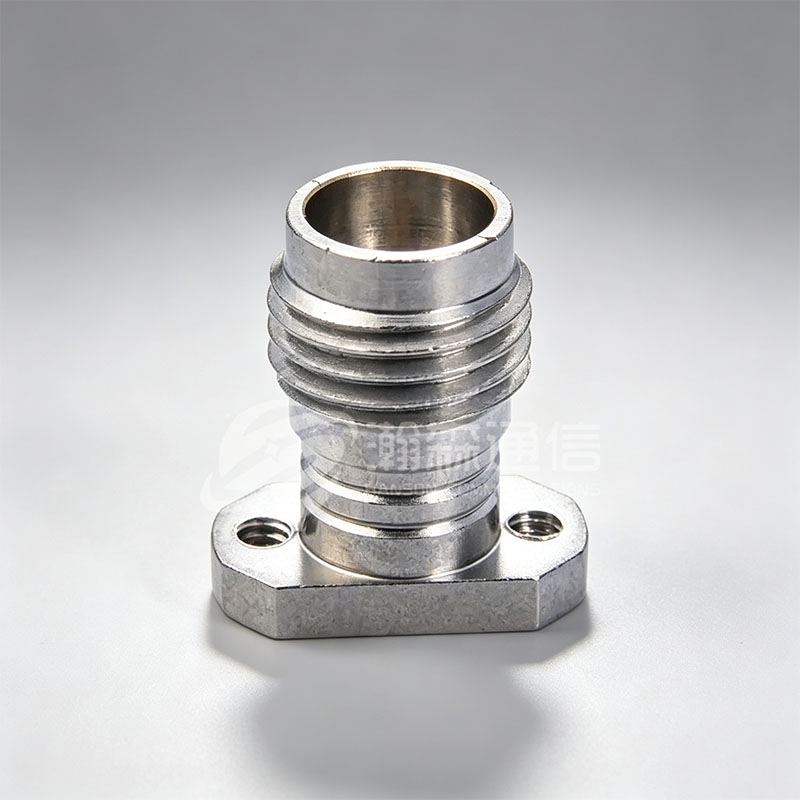
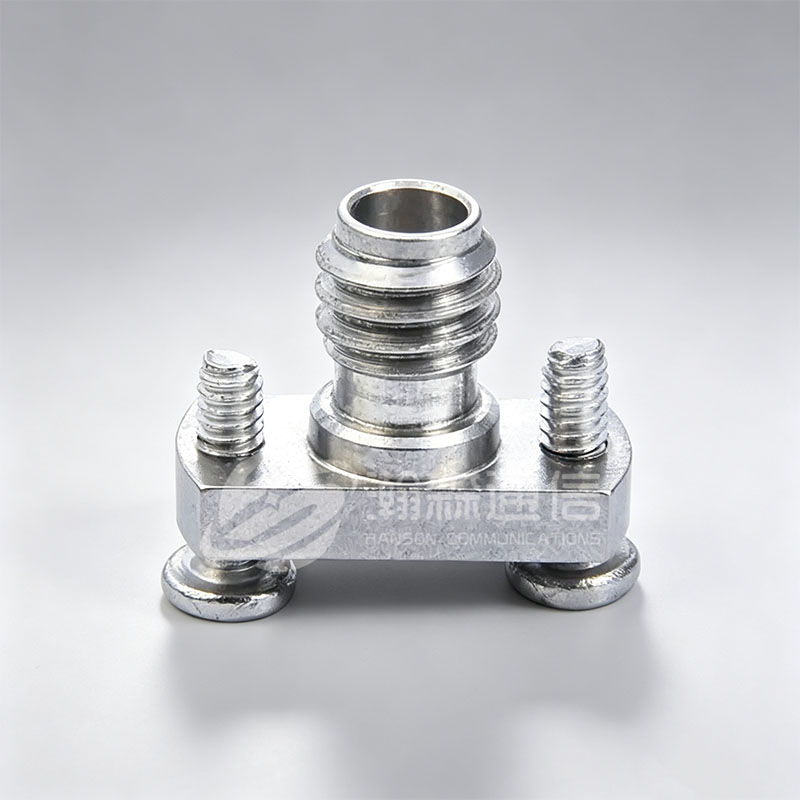
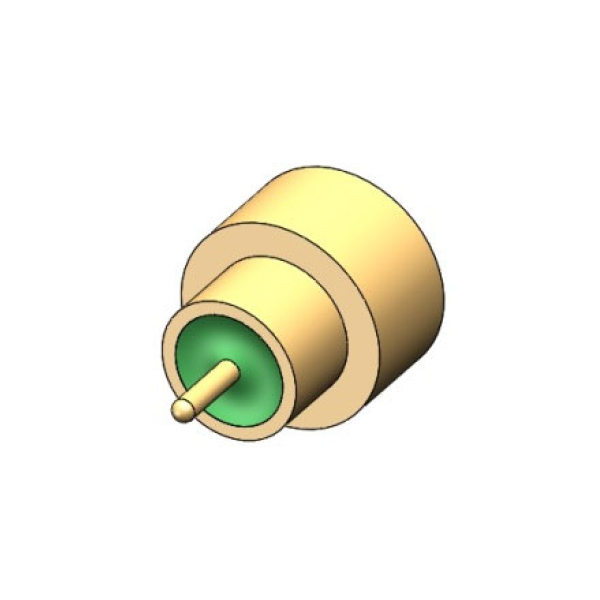
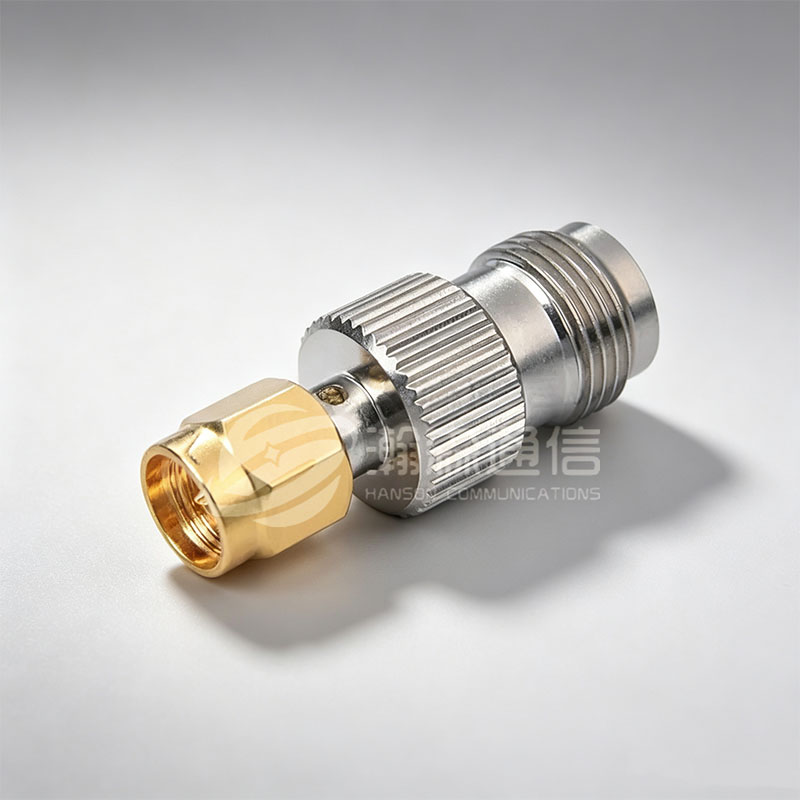
2.4mm RF Coaxial Connector
Description:
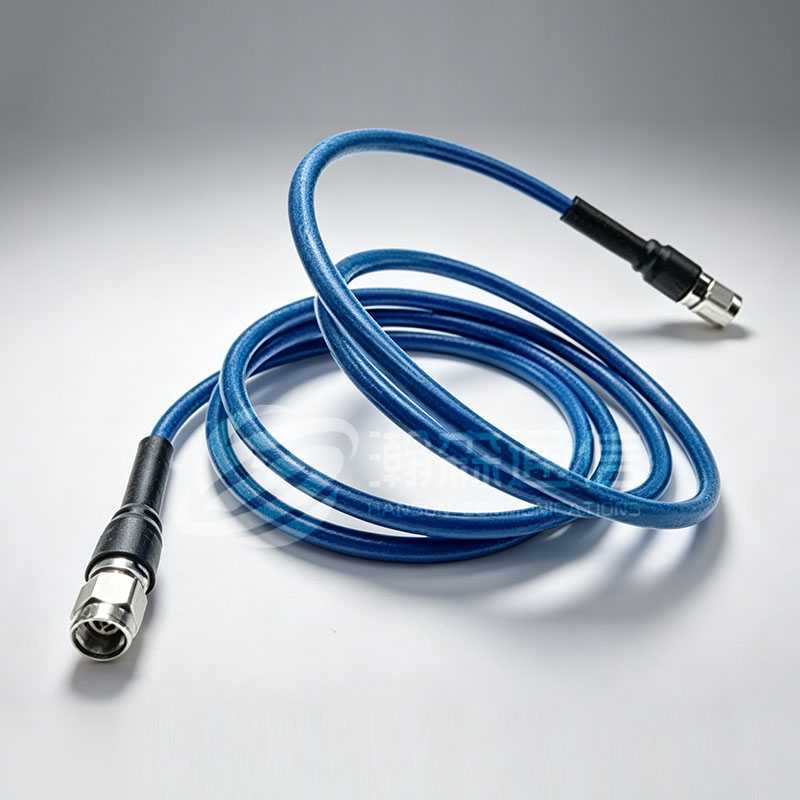
The 2.4mm series connector is a high-frequency RF connector designed for high-precision, high-frequency applications, especially for signal transmission occasions that require a transmission frequency range of 40 GHz or even higher. It is an ideal choice for providing high-performance signal connections in the microwave frequency band, high-speed communication, and precision test and measurement fields.
Parameter:
Main Technical Specifications:
◆ Characteristic Impedance: 50Ω
◆ Frequency Range: DC-50GHz
◆ Insulation Resistance: ≥5000MΩ
◆ Dielectric Withstand Voltage: 500V(rms)
◆ Voltage Standing Wave Ratio (VSWR): ≤1.35
◆ Mating Cycles: 500 times
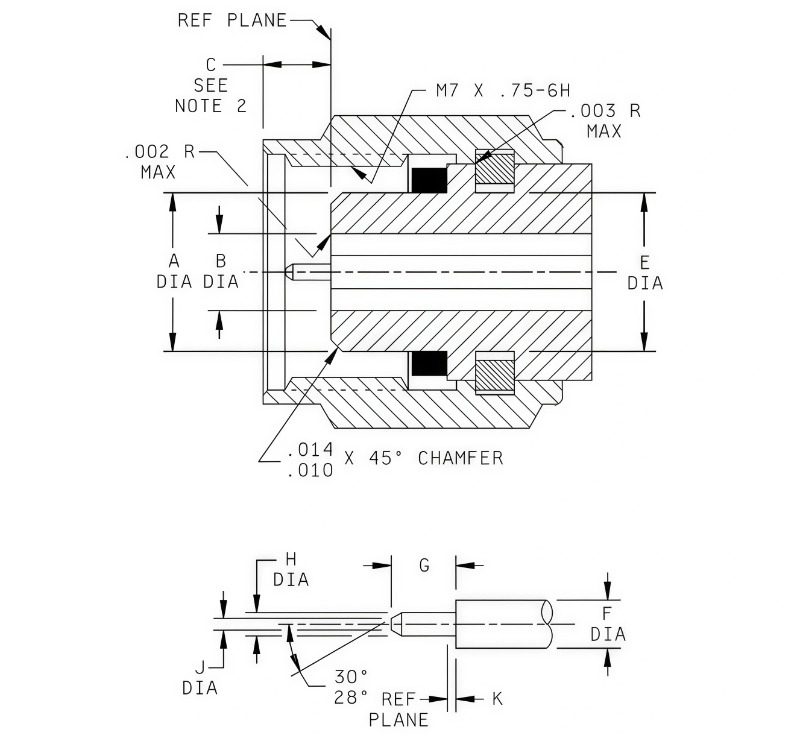
| Letter | Millimeters (Inches) | |
| Minimum | Maximum | |
| A | 4.725 (.186) | 4.75(.187) |
| B | 2.393(.094) | 2.408(095) |
| C | 1.85 (.073) | 2.45 (.096) |
| E | 4.75(.187) | 4.85(.191) |
| F | 1.035(.0407) | 1.05 (.0413) |
| G | 1.34 (.053) | 1.45 (.057) |
| H | 0.498(.0196) | 0.523 (.0206) |
| J | ---------- | 0.25(.010) |
| K | 0.00 (.000) | 0.08 (.003) |
Notes:
1. Thread length is from the end of the coupling nut, 4.37 mm (.172inch) minimum, 0.63 mm (.025 inch)±0.25 mm (.010 inch).
2. With coupling nut biased in the forward direction.
3. Dimensions are in millimeters.
4. Inch-pound equivalents are given for information only.
5. Counter bore 7 mm (.276 inch) minimum.
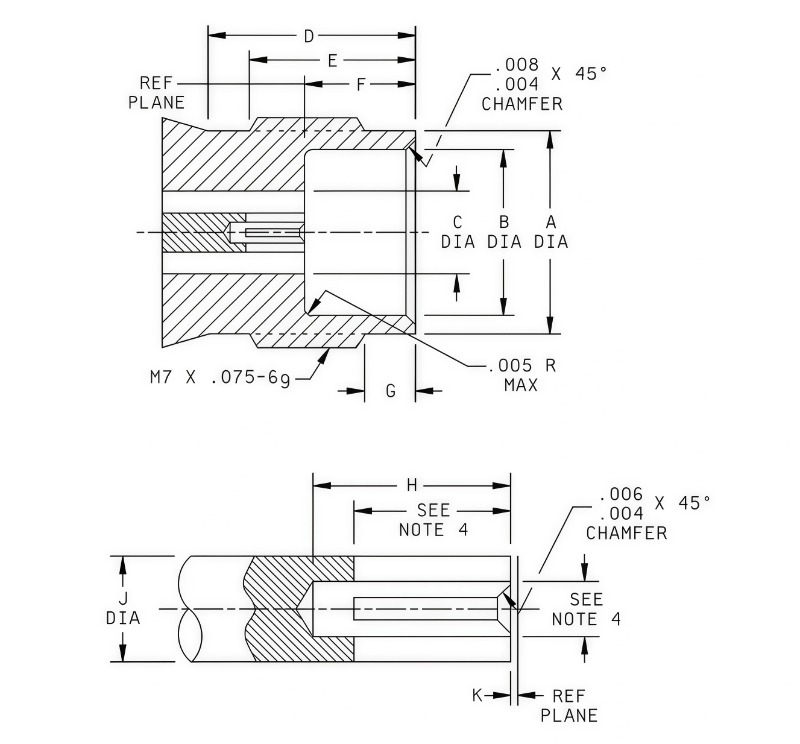
| Letter | Millimeters (Inches) | |
| Minimum | Maximum | |
| A | 4.725(.186) | 4.75 (187) |
| B | 2.393 (.094) | 2.408 (.095) |
| C | 1.85 (.073) | 2.45 (.096) |
| E | 4.75(.187) | 4.85 (.191) |
| F | 1.035(.0407) | 1.05 (.0413) |
| G | 1.34 (.053) | 1.45 (.057) |
| H | 0.498 (.0196) | 0.523(.0206) |
| J | -------- | 0.25 (.010) |
| K | 0.00(.000) | 0.08 (.003) |
Notes:
1. Thread length is from the end of the coupling nut, 4.37 mm (.172inch) minimum, 0.63 mm (.025 inch)±0.25 mm (.010 inch).
2. With coupling nut biased in the forward direction.
3. Dimensions are in millimeters.
4. Inch-pound equivalents are given for information only.
5. Counter bore 7 mm (.276 inch) minimum.
2.4mm SERIES
-
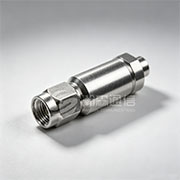
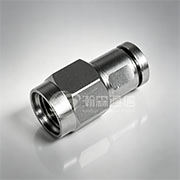 2.4-JB2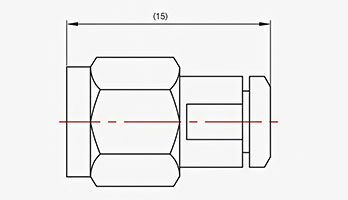
Model Cable type 2.4-JB2 SFT-50-2,670-086 -
 2.4-J125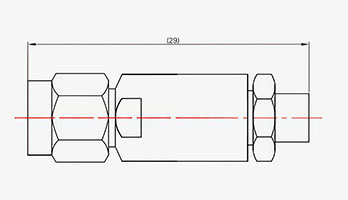
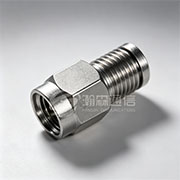
Model Cable type 2.4-J125 125 -
 2.4-J230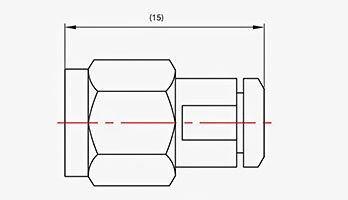
Model Cable type 2.4-J230 MILFLEX230
KEEP IN TOUCH
About Us

Ningbo Hanson Communication Technology Co., Ltd.
Ningbo Hanson Communication Technology Co., Ltd. is China 2.4mm RF Coaxial Connector Supplier and Custom 2.4mm RF Coaxial Connector Company. We are a manufacturer specializing in the production, processing, and trade of communication components, with more than 30 years of experience in RF coaxial connectors, adapters, and cable assemblies.
The company has now developed its own machining workshop, electroplating workshop, assembly workshop, and a group of stable and reliable suppliers. The company's purpose is to provide customers with high-quality products. The main products
are RF coaxial connectors, adapters, high-frequency cable assemblies, and low intermodulation cable assemblies. In addition, the company can also provide services for customers with customized needs to meet customers' special requirements for products.
The company's products are widely used in aerospace, communication base stations, medical equipment, and other high-tech fields. At the time of enterprise reform, innovation, development, and growth, the company took the initiative to join the ISO9001 international quality management system and continuously improved the management level so as to provide more satisfactory products and services to new and old customers.
Latest News
-
A technician bolts a BNC-fed antenna to a mast, runs a vibration sweep, and watches the received level flutter by a few tenths of a dB. Nothing has failed. The bayonet collar has ...
READ MORE -
If you are building a 5G small cell, a bench-test rack, or a satellite ground terminal, the connector at the end of the coaxial cable is usually the last item specified and the fi...
READ MORE -
A jumper comes off the bench, is offered up to a spectrum analyser port, and will not seat. Nothing is broken. One end is an SMA, the other a 2.4 mm; both are 50 Ω, both look like...
READ MORE -
If you work with RF systems, you already know that VSWR (Voltage Standing Wave Ratio) and return loss are two sides of the same coin. Both measure the same physical phenomenon — t...
READ MORE
Looking For Business Opportunity?
Request for a call today
-

+86-15715730755
-

-

No. 1, Longcao Road, Dongqian Lake Tourism Resort Industrial Zone, Yinzhou District, Ningbo City, Zhejiang, China.
Message
Copyright © Ningbo Hanson Communication Technology Co., Ltd.
