


 English
 русский
CATEGORIES

Hermetically Sealed Connector Manufacturers
Air Tight Seal refers to a sealing structure or technology that can effectively isolate air, gas or other gaseous media, ensuring that the performance of a sealed container or system will not be affected by the entry of external air or gas during operation. Air tight seals are often used in applications that need to maintain a stable internal environment to prevent gas leakage or contamination.
-
General Hemetically Sealed Connector/Adapter
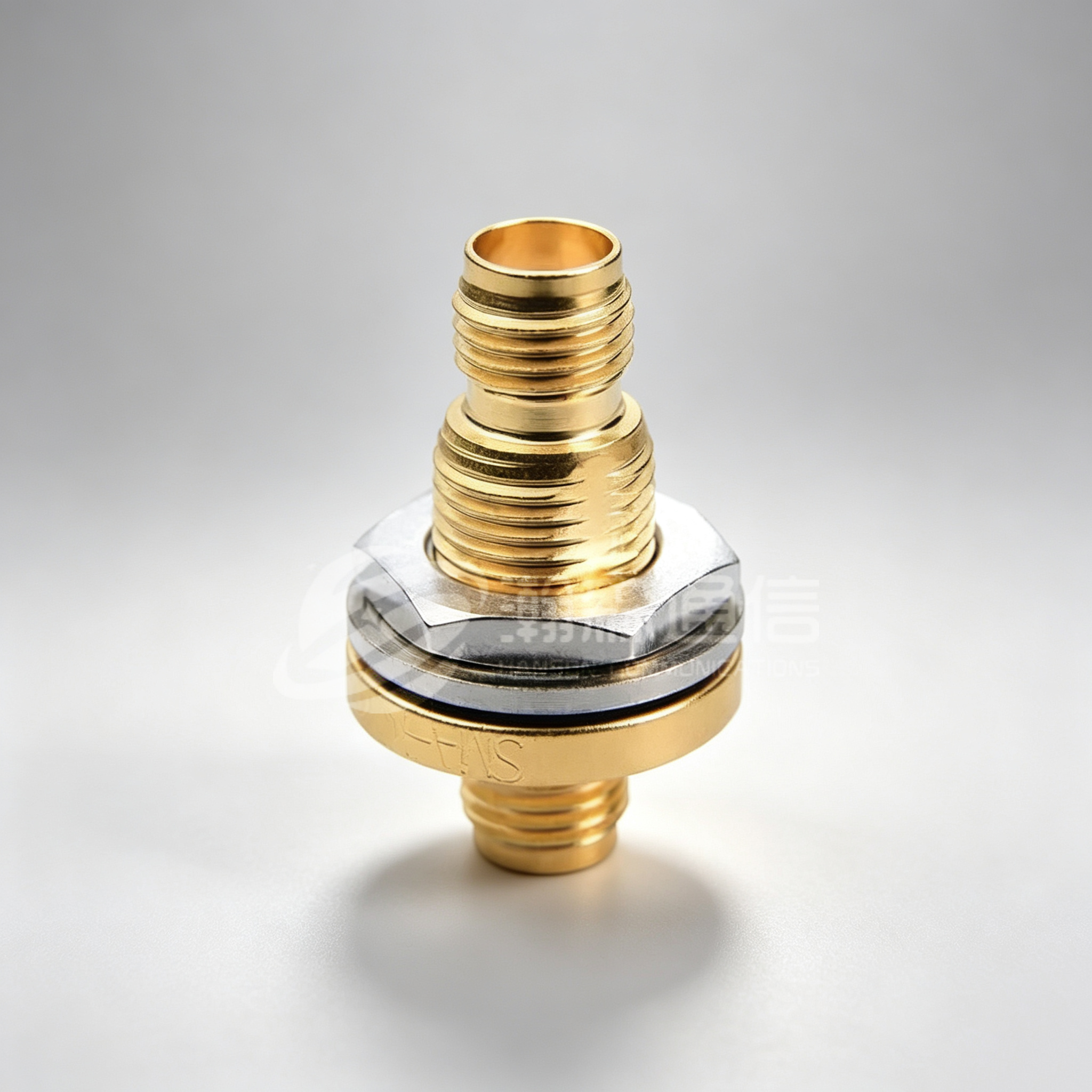
Details:
Air-tight RF Coaxial Connector is a RF connector designed to seal and maintain an airtight environme...view more -
RF Glass Insulator
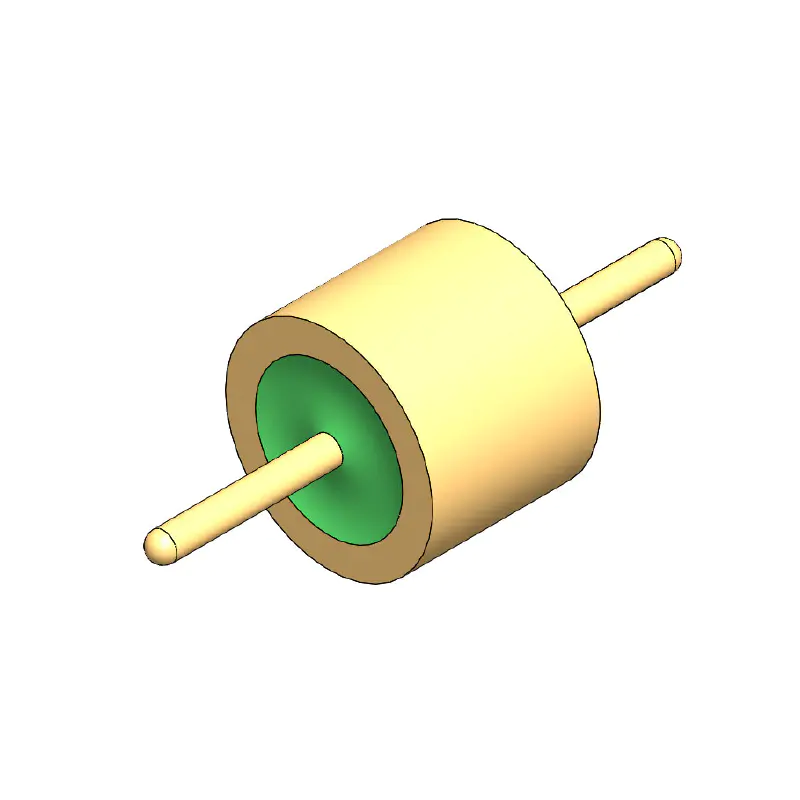
Details:
Glass insulators use a glass sintering structure with good sealing performance. They can be used wit...view more -
SMP Hermetically Sealed Connector
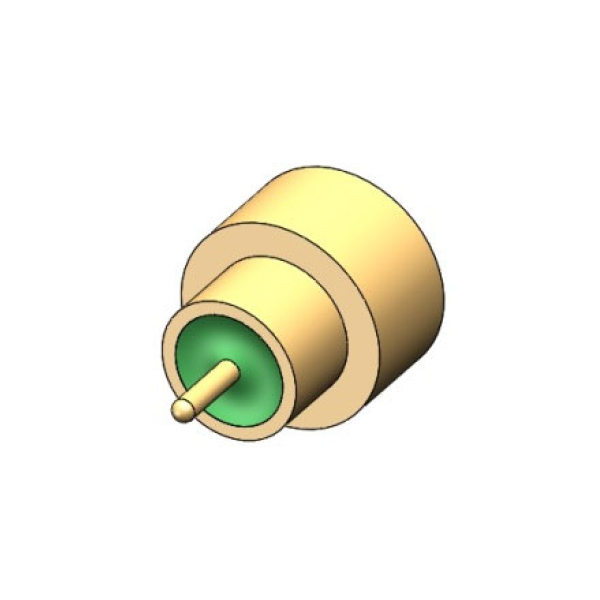
Details:
SMP-J type hermetic RF coaxial connector has the characteristics of hermetic packaging and can be pa...view more -
SMPM Hermetically Sealed Connector
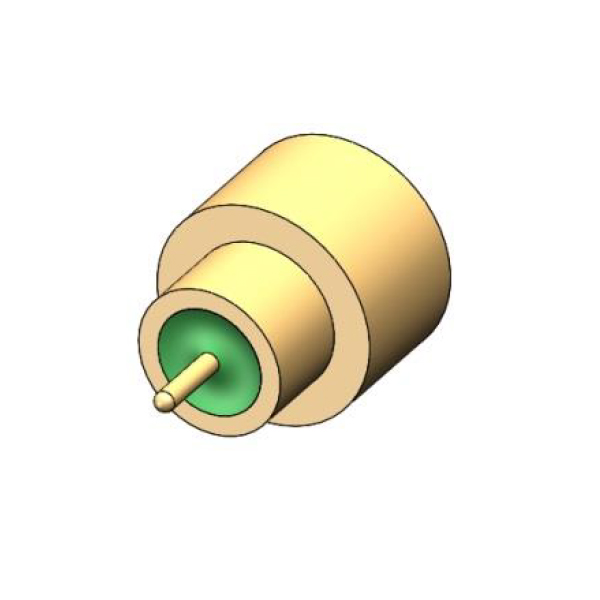
Details:
SMPM (SubMiniature Push-on Micro) sealed connector is a miniaturized RF connector with full escapeme...view more
About Us

Ningbo Hanson Communication Technology Co., Ltd.
Ningbo Hanson Communication Technology Co., Ltd. is China Hermetically Sealed Connector Manufacturers and
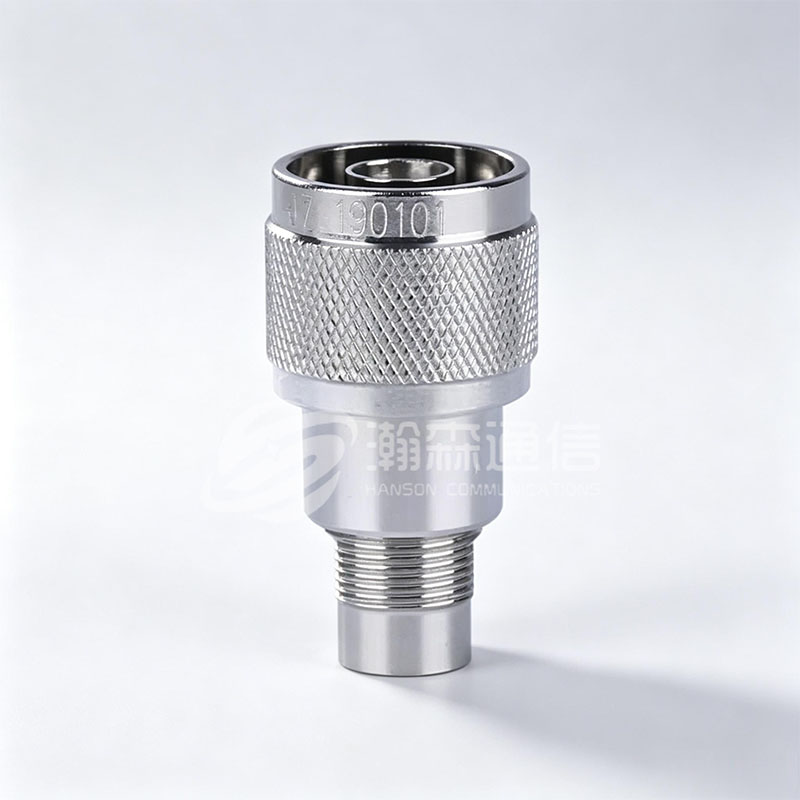
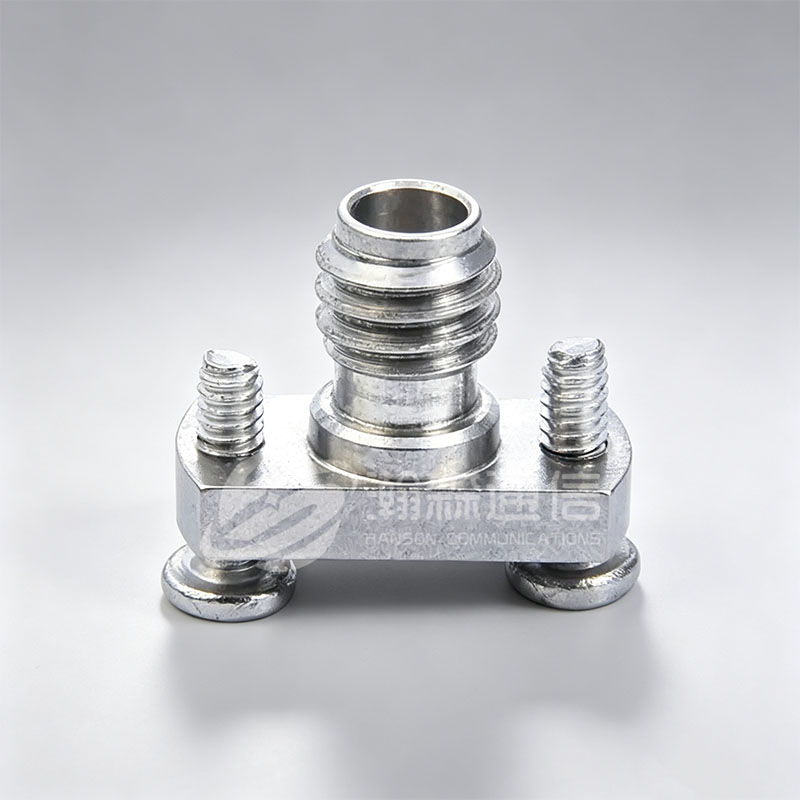
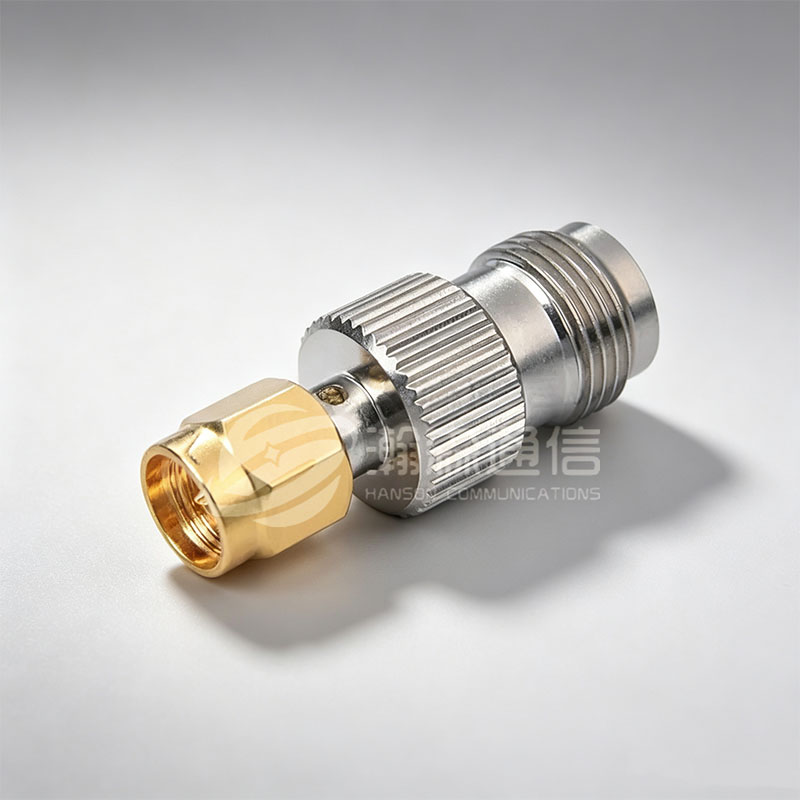
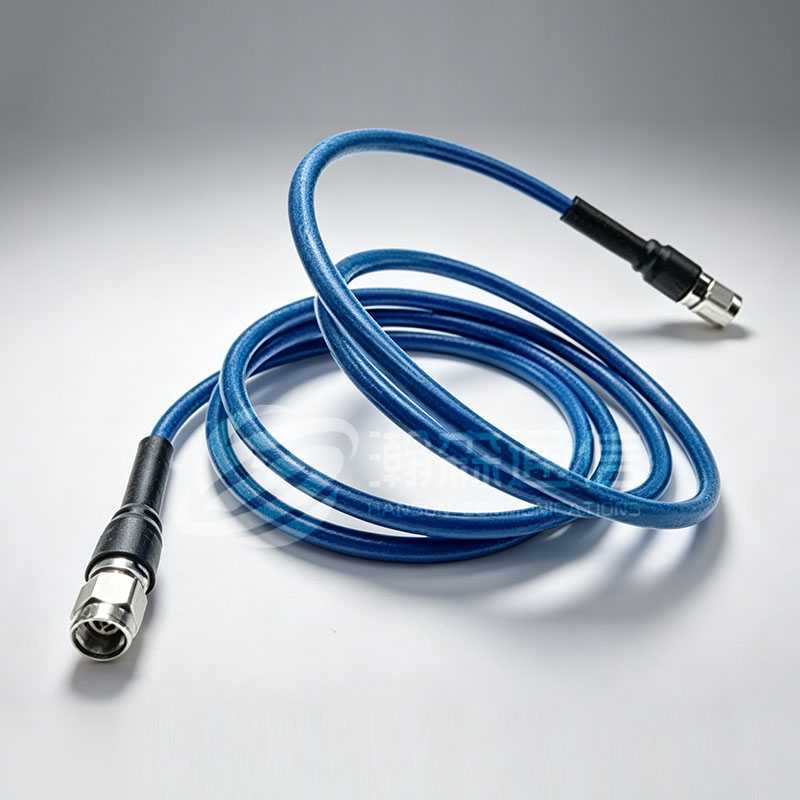
Wholesale RF Glass Sintered Sealed Insulator Factory. We are a manufacturer specializing in the production, processing, and trade of communication components, with more than 30 years of experience in RF coaxial connectors, adapters, and cable assemblies.
The company has now developed its own machining workshop, electroplating workshop, assembly workshop, and a group of stable and reliable suppliers. The company's purpose is to provide customers with high-quality products. The main products
are RF coaxial connectors, adapters, high-frequency cable assemblies, and low intermodulation cable assemblies. In addition, the company can also provide services for customers with customized needs to meet customers' special requirements for products.
The company's products are widely used in aerospace, communication base stations, medical equipment, and other high-tech fields. At the time of enterprise reform, innovation, development, and growth, the company took the initiative to join the ISO9001 international quality management system and continuously improved the management level so as to provide more satisfactory products and services to new and old customers.
Latest News
-
A technician bolts a BNC-fed antenna to a mast, runs a vibration sweep, and watches the received level flutter by a few tenths of a dB. Nothing has failed. The bayonet collar has simply backed off a fraction of a turn. Refit the same cable run with a TNC and the flutter disappears, because the threaded coupling keeps ...
READ MORE -
If you are building a 5G small cell, a bench-test rack, or a satellite ground terminal, the connector at the end of the coaxial cable is usually the last item specified and the first one to cause trouble. A 2.4 mm plug will not mate with a 1.0 mm port, a 75 ohm BNC will not preserve a 50 ohm path, and an interface rat...
READ MORE -
A jumper comes off the bench, is offered up to a spectrum analyser port, and will not seat. Nothing is broken. One end is an SMA, the other a 2.4 mm; both are 50 Ω, both look like the same threaded barrel, and they are not intermateable. A coaxial connector types chart exists to stop that order before it is placed, by...
READ MORE
Hermetically Sealed Series Industry knowledge
Hermetic connectors are specialized connection devices used to transmit power, signals, or fluids while effectively preventing the leakage or intrusion of gases, liquids, or contaminants through the interface. Through precise structural design and material selection, hermetic connectors create a reliable sealing barrier at the interface between plug and receptacle, and between housing and cable, ensuring stable operation in harsh environments such as moisture, high pressure, corrosive environments, or vacuum. Hermetic sealing is a sealing structure or technology that effectively isolates air, gas, or other gaseous media, ensuring that the performance of a sealed container or system is not affected by the ingress of external air or gas during operation. Hermetic sealing is typically used in applications that require maintaining a stable internal environment to prevent gas leakage or contamination.
Sealed connectors are widely used in industrial, automotive, aerospace, and medical equipment. Their core function is to ensure a stable electrical connection while protecting against environmental factors such as water, dust, and chemicals. However, in actual use, sealed connectors can still experience various failures due to design, materials, installation, or environmental factors, affecting the normal operation of the equipment. Understanding common sealed connector failures and their solutions, combined with preventive maintenance recommendations, can help users improve connector reliability and service life. Ningbo Hansen Communication Technology Co., Ltd. is a manufacturer specializing in the production, processing, and trading of communications components, with over 30 years of experience in RF coaxial connectors, adapters, and cable assemblies.
One of the most common failures of sealed connectors is seal failure, resulting in liquid or gas leakage. Seal failure is typically caused by aging, deformation, or damage to the seal ring, such as hardening, cracking, or permanent deformation of the rubber material after long-term use. Improper installation is also a major cause, such as improper seal alignment and insufficient or excessive compression, which can compromise the seal. Corrosion or thread wear on the connector housing can also impair the seal, especially in humid, salt-spray, or chemically aggressive environments. Extreme temperature and pressure fluctuations can also cause the seal material to expand or contract, reducing sealing performance. Solutions to this problem include selecting high-performance sealing materials (such as fluoroelastomers, silicone rubber, and other chemically and high-temperature resistant materials), strictly adhering to installation specifications (such as using a torque wrench to ensure uniform compression), and optimizing the seal structure design (such as using dual seals or incorporating potting compounds for enhanced protection). For corrosive environments, corrosion-resistant housing materials such as stainless steel and nickel-plated alloys should be preferred.
Looking For Business Opportunity?
Request for a call today
-

+86-15715730755
-

-

No. 1, Longcao Road, Dongqian Lake Tourism Resort Industrial Zone, Yinzhou District, Ningbo City, Zhejiang, China.
Message
Copyright © Ningbo Hanson Communication Technology Co., Ltd.
