


 English
 русский
Industry News

How to Choose a Hermetic Connector Manufacturer?
 2026.07.09
 Industry News
Content
- 1 Quick Answer: What to Look for in a Hermetic Connector Manufacturer
- 2 Understanding Hermetically Sealed Connectors and RF Glass Sintered Sealed Insulators
- 3 Key Factors to Evaluate When Choosing a Hermetic Connector Manufacturer
- 4 Glass-to-Metal Seal vs Epoxy Seal vs Elastomer Seal: Comparing Seal Performance
- 5 Hermeticity Testing and Helium Leak Detection
- 6 Materials Used in Hermetic Connectors
- 7 RF Performance Considerations for Hermetic Connectors
- 8 Growing Adoption of Hermetically Sealed Connectors in RF and High-Reliability Applications
- 9 What Causes Hermetic Seal Failure
- 10 Installation and Handling Practices That Preserve Seal Integrity
- 11 Sourcing From a Hermetic Connector Manufacturer and Supplier
- 12 Frequently Asked Questions About Hermetic Connectors
Quick Answer: What to Look for in a Hermetic Connector Manufacturer
Choosing the right Hermetically Sealed Connector partner generally comes down to five practical checkpoints: glass-to-metal seal quality and process control, hermeticity test verification through helium leak detection, RF performance and impedance matching, material compatibility and plating quality, and customization support for specific feedthrough configurations. A manufacturer that performs well across these five points typically delivers a Hermetic Connector that holds its seal integrity and RF characteristics consistently across production batches.
The sections below walk through each of these checkpoints in more detail, along with seal type comparisons, hermeticity testing methods, materials, RF performance considerations, and sourcing guidance for engineering teams working with a manufacturer or supplier.
Understanding Hermetically Sealed Connectors and RF Glass Sintered Sealed Insulators
A Hermetically Sealed Connector is an electrical or RF interface engineered to prevent gas, moisture, or contaminants from crossing between the outside environment and a sealed enclosure, while still allowing an electrical signal to pass through the barrier. The sealing structure isolates air and other gaseous media so the internal environment of the housing or vessel remains stable regardless of external conditions, which matters in applications where even a small amount of leakage could affect performance over time.
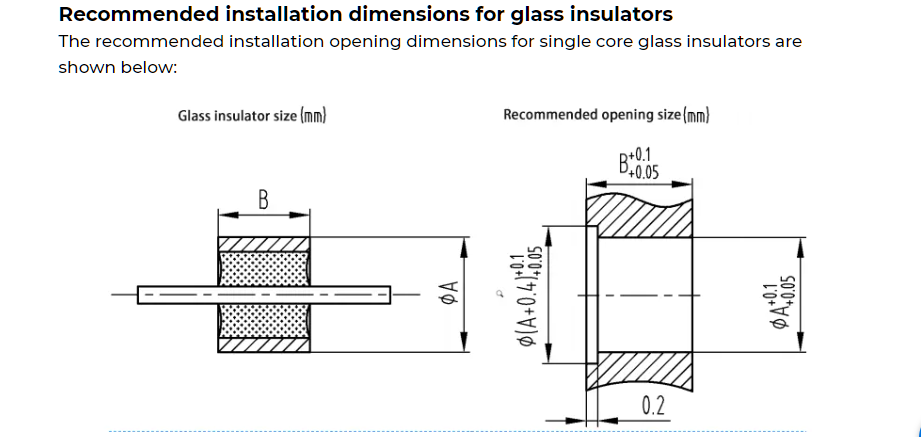
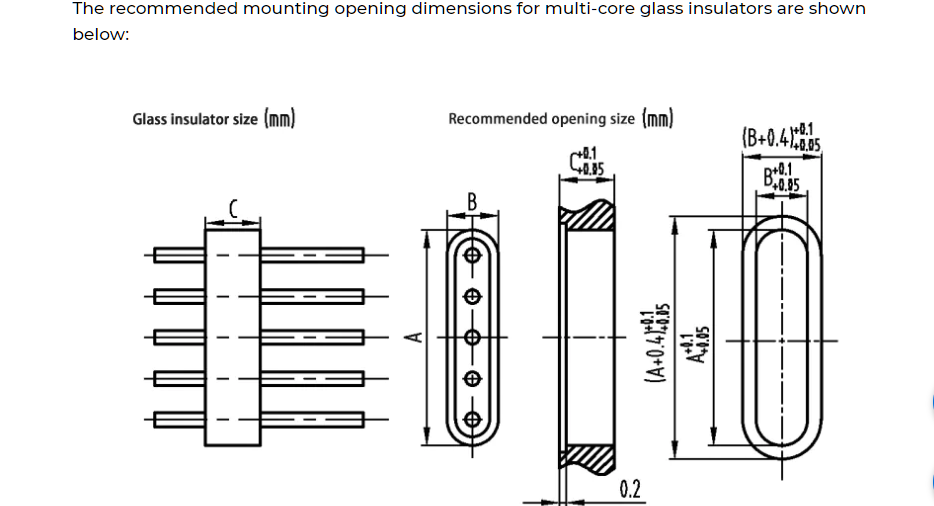
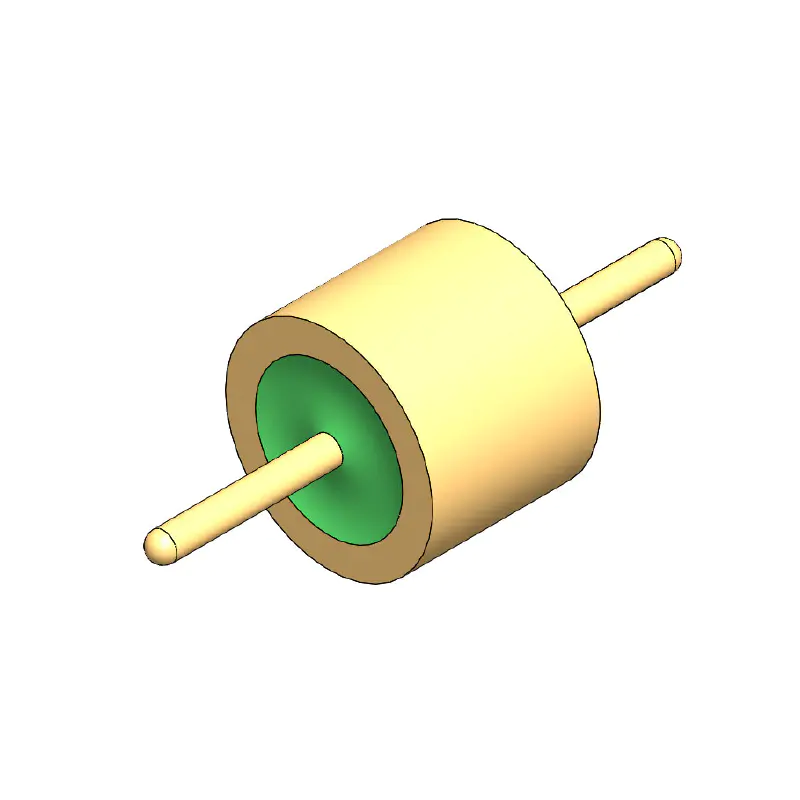
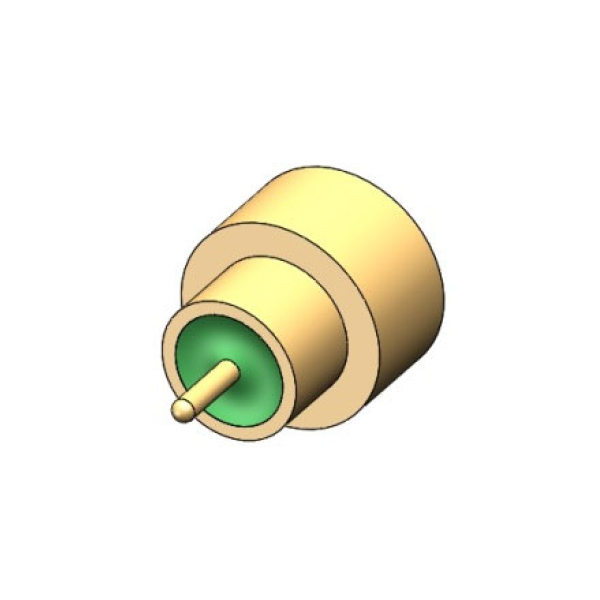
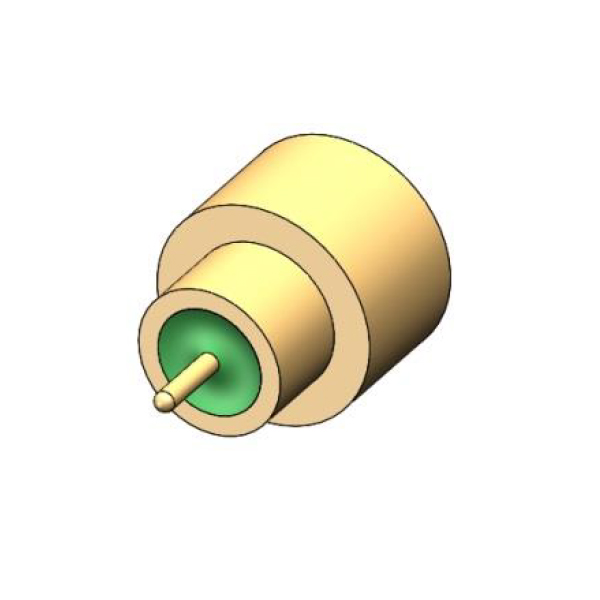
Most Hermetic Feedthrough designs achieve this barrier through a glass-to-metal seal, where a precisely formulated glass insulator is fused directly to a metal shell and contact pin under controlled heat. An RF Glass Sintered Sealed Insulator takes this a step further for radio frequency applications, using a sintered glass formulation selected for both hermetic integrity and stable dielectric properties across the intended operating frequency range.
Why Glass-to-Metal Sealing Remains the Standard Approach
Compared to epoxy or elastomer-based seals, a glass-to-metal seal generally offers a more permanent bond between the insulator and the metal shell, since the glass fuses directly to the metal surface rather than relying on an adhesive layer that can degrade under thermal cycling or chemical exposure over years of service.
Key Factors to Evaluate When Choosing a Hermetic Connector Manufacturer
Engineering teams comparing catalogs from a Hermetic Connector Manufacturer typically weigh a consistent set of factors before finalizing a supplier relationship. The list below reflects the checkpoints most commonly referenced when evaluating a Glass-to-Metal Seal Connector or Hermetic Electrical Feedthrough for a specific program.
- Glass-to-metal seal quality and process control - consistent fusing temperature and glass formulation across every production batch.
- Hermeticity test verification - documented helium leak detection results confirming the seal meets the required leak rate threshold.
- RF performance and impedance matching appropriate to the intended frequency range and application.
- Material compatibility and plating quality across the contact pin, insulator, and shell.
- Customization and feedthrough configuration options for pin count, interface type, and mounting style.
- Manufacturing traceability and batch consistency across repeat production runs.
Based on common purchasing patterns among engineering procurement teams, glass-to-metal seal quality and hermeticity test verification tend to receive the most attention during supplier evaluation, since both directly affect long term reliability. The chart below illustrates the general emphasis these factors tend to receive when teams compare a Hermetic Connector Manufacturer against alternative sourcing options.
While every program has its own priorities depending on application and volume, glass-to-metal seal quality and hermeticity test verification consistently rank among the two most influential factors in the selection process, followed closely by RF performance.
Glass-to-Metal Seal vs Epoxy Seal vs Elastomer Seal: Comparing Seal Performance
Not every sealed connector uses the same sealing method. Engineering teams evaluating a Hermetic Connector Supplier will typically encounter three general categories of sealing technology, each with a distinct performance profile.
Glass-to-metal sealing fuses the insulator directly to the metal shell under controlled heat, producing a rigid, permanent bond. Epoxy sealing bonds the insulator using an adhesive compound, which is generally simpler to produce but more susceptible to degradation under thermal cycling or chemical exposure. Elastomer sealing relies on compression against a rubber or polymer gasket, which is typically reserved for lower duty applications where full hermetic performance is not required.
Across these general performance dimensions, a glass-to-metal seal generally scores highest for hermeticity level and long-term stability, which is why it remains the standard choice for aerospace, communication base station, and medical equipment applications where consistent sealing performance matters over the full service life of the product.
Hermeticity Testing and Helium Leak Detection
Verifying that a Hermetically Sealed Connector actually performs as designed relies on a small set of established test methods, the most common being helium leak detection. In this method, the sealed component is placed in a controlled test environment and exposed to helium, then measured with a mass spectrometer sensitive enough to detect very small leak rates escaping through the seal.
Different applications call for different levels of test stringency. A connector destined for general commercial electronics typically faces a less demanding test threshold than one destined for aerospace or medical equipment, where even a very small leak rate could compromise the sealed environment over the life of the product.
This general pattern illustrates why an RF Hermetic Connector intended for aerospace or medical use is typically held to a considerably tighter leak rate threshold than one used in general commercial equipment, even though both may look similar from the outside.
Materials Used in Hermetic Connectors
Material selection across each component of a Hermetic Feedthrough directly affects seal integrity, RF performance, and long-term durability. The table below summarizes the general role of each component.
| Component | Common Material | Function |
|---|---|---|
| Contact Pin | Kovar or copper alloy | Carries the electrical or RF signal through the seal |
| Insulator | Sintered or fused glass | Electrically isolates the pin while forming the hermetic barrier |
| Shell or Housing | Stainless steel or Kovar | Provides structural mounting and matches thermal expansion with the glass seal |
| Plating | Gold or nickel | Improves conductivity and resists corrosion at the contact interface |
Matching the thermal expansion rate of the shell material to the glass insulator is one of the more important, and easy to overlook, decisions in a Glass-to-Metal Seal Connector design, since a mismatch can introduce stress at the seal interface during temperature swings.
RF Performance Considerations for Hermetic Connectors
Beyond hermetic integrity, an RF Hermetic Connector also needs to preserve signal quality across its intended frequency range. The parameters below are commonly reviewed alongside hermeticity specifications during connector selection.
| Parameter | Typical Consideration |
|---|---|
| Characteristic Impedance | Commonly matched to 50 ohm systems for RF signal consistency |
| Frequency Range | Determined by connector interface geometry and insulator dielectric properties |
| Voltage Standing Wave Ratio | Lower values indicate better impedance matching and reduced signal reflection |
| Insertion Loss | Should remain minimal across the intended operating frequency range |
An RF Glass Sintered Sealed Insulator formulated with stable dielectric properties helps keep these parameters consistent across a wide temperature range, which matters for communication base station equipment operating outdoors year round.
Growing Adoption of Hermetically Sealed Connectors in RF and High-Reliability Applications
Over recent years, communication infrastructure, aerospace, and medical equipment programs have shown a steady shift toward hermetically sealed interfaces wherever long-term environmental protection matters. This pattern generally tracks broader trends in high-reliability electronics, where designers increasingly specify sealed feedthroughs at the earliest stages of a program rather than treating sealing as an afterthought.
This general upward pattern reflects how many programs have reevaluated their interconnect strategy in favor of a Hermetically Sealed Connector configuration, rather than pointing to any single verified industry-wide dataset. Teams weighing a standard connector against a hermetic upgrade often cite long-term environmental protection as the deciding factor.
What Causes Hermetic Seal Failure
Even a well designed Hermetic Connector can experience seal failure if it is exposed to conditions beyond its intended service profile. Understanding the common failure paths helps engineering teams specify the right connector and handle it correctly once installed.
- Thermal cycling stress that gradually fatigues the glass-to-metal bond over repeated temperature swings.
- Mechanical shock or excessive torque applied during installation or handling.
- Corrosion at the plating or shell interface from prolonged environmental exposure.
- Contamination introduced during the sealing process itself.
- Improper storage that allows condensation to form before final assembly.
Most of these failure paths can be addressed through careful handling practices and by selecting a Hermetic Connector Manufacturer with strong process control over the sealing and plating stages of production.
Installation and Handling Practices That Preserve Seal Integrity
How a Hermetically Sealed Connector is handled before and during installation has a direct effect on how long it maintains its hermetic performance. The following practices are generally recommended across aerospace, communication, and medical equipment programs.
- Handle the connector by its shell rather than the pins to avoid bending or stressing the glass seal.
- Apply the manufacturer-specified torque when mating connectors to avoid mechanical stress on the seal.
- Avoid sudden thermal shock by allowing components to acclimate to ambient temperature before installation.
- Store connectors in a clean, dry environment prior to installation to reduce the risk of contamination or condensation.
- Inspect the glass insulator visually for cracks or discoloration before installation.
- Limit unnecessary mating and unmating cycles beyond the connector's intended duty cycle.
- Keep contact surfaces free of dust or residue prior to mating.
- Document installation batches to support traceability if a hermeticity question arises later in the product life cycle.
Following a consistent handling routine reduces the chance of introducing stress or contamination that could otherwise shorten the working life of a Hermetic Electrical Feedthrough once it is in service.
Sourcing From a Hermetic Connector Manufacturer and Supplier
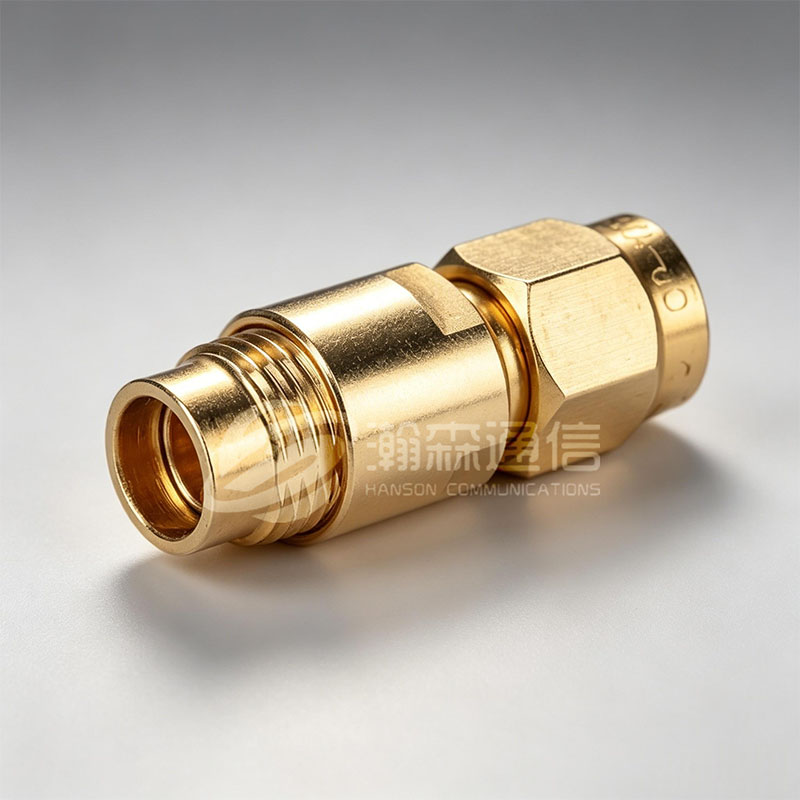
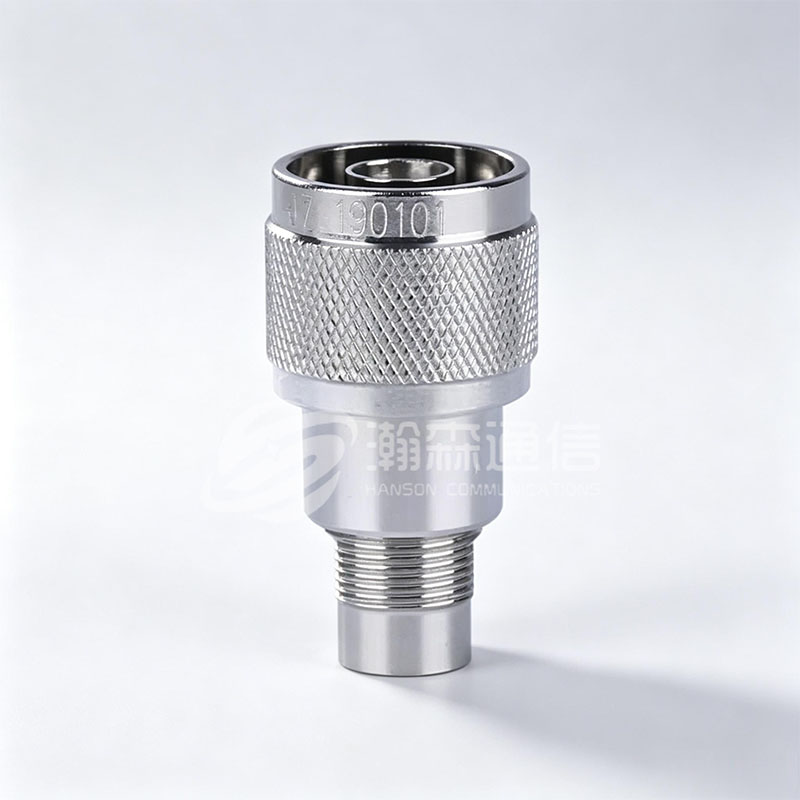
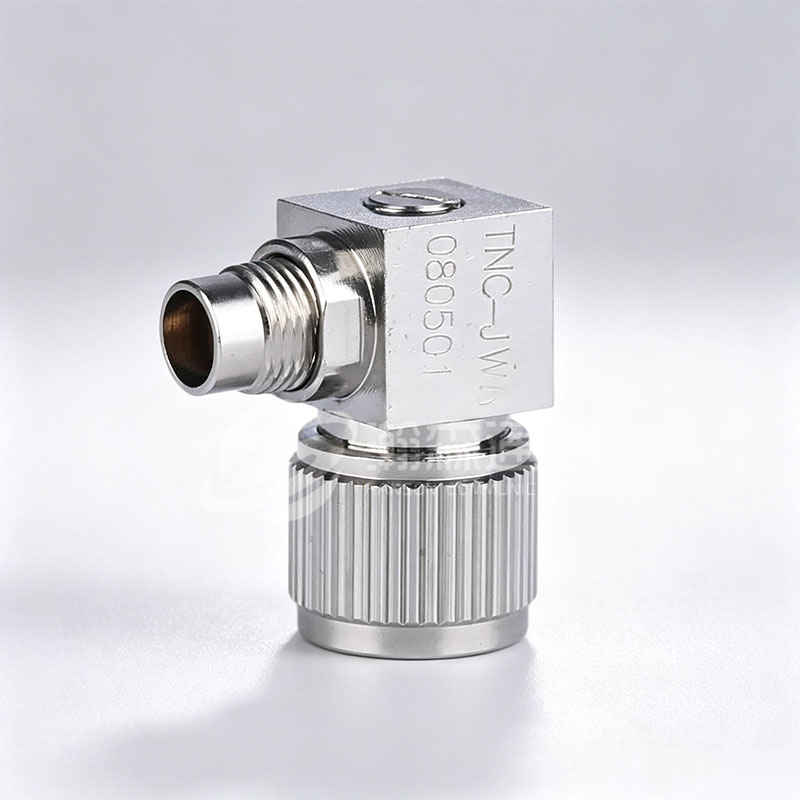
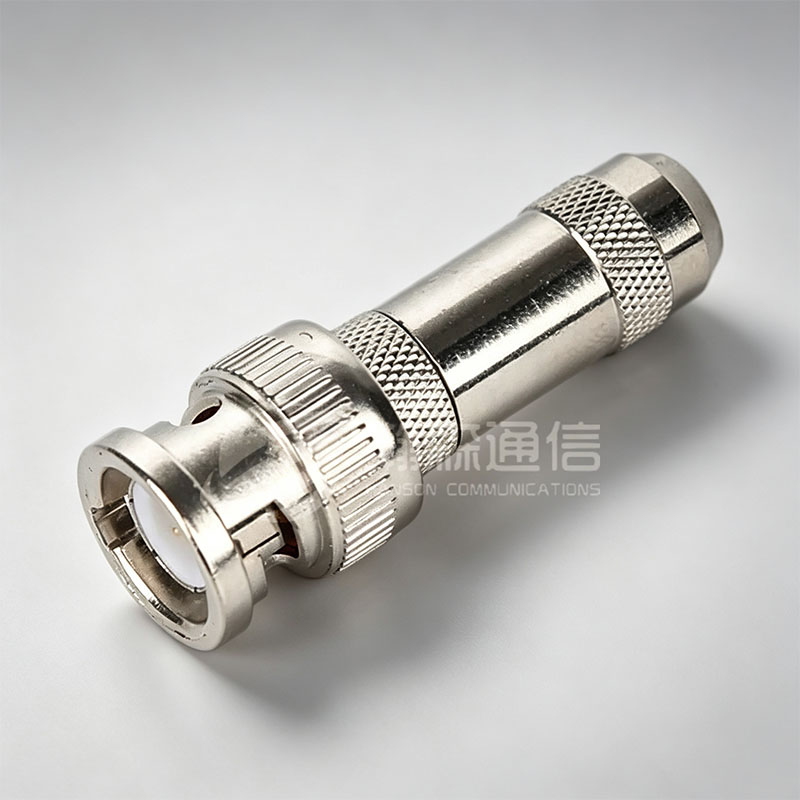
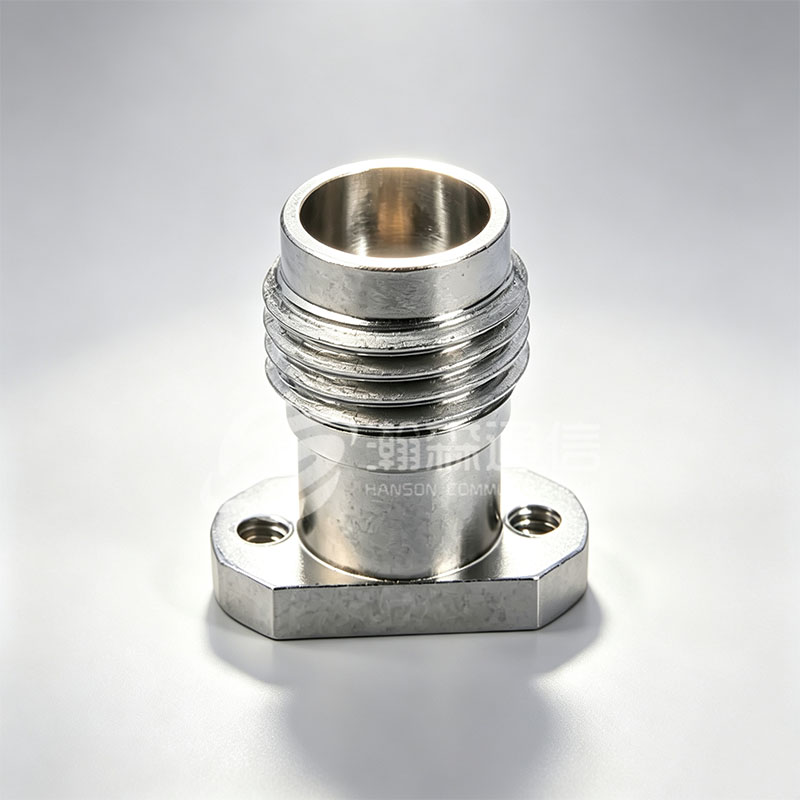
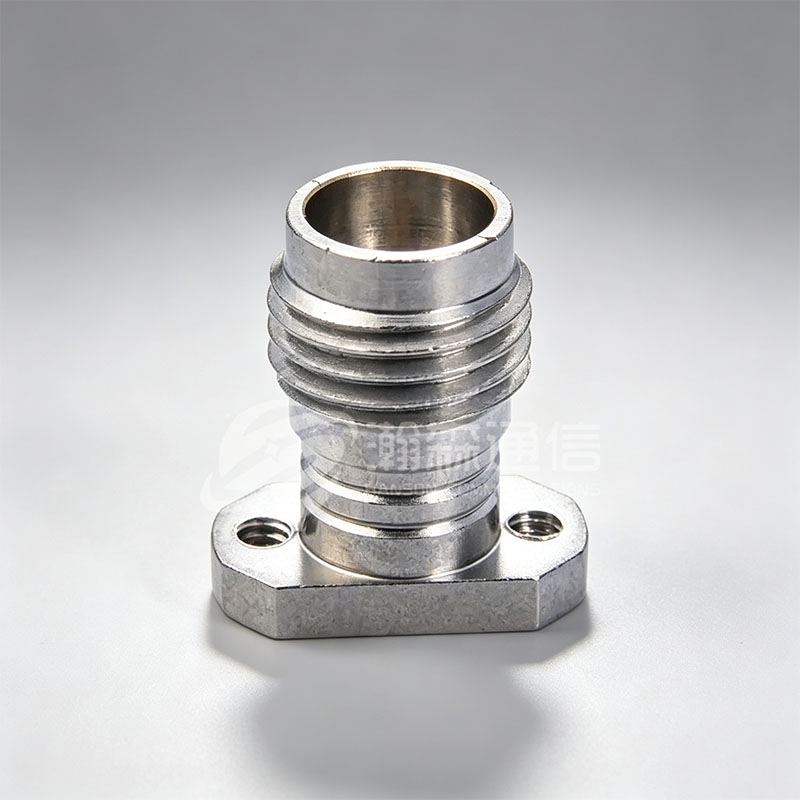
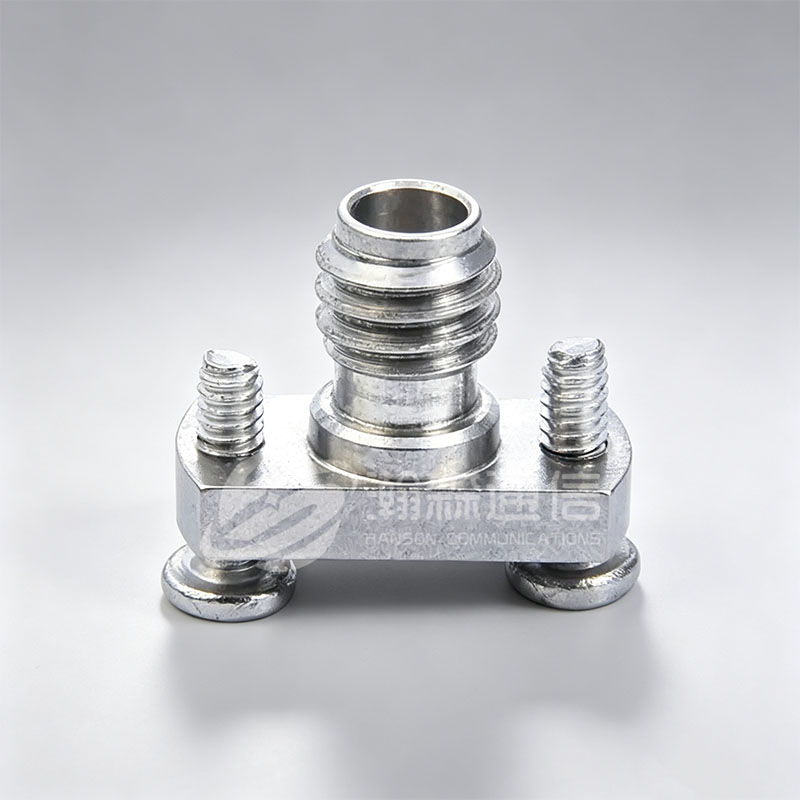
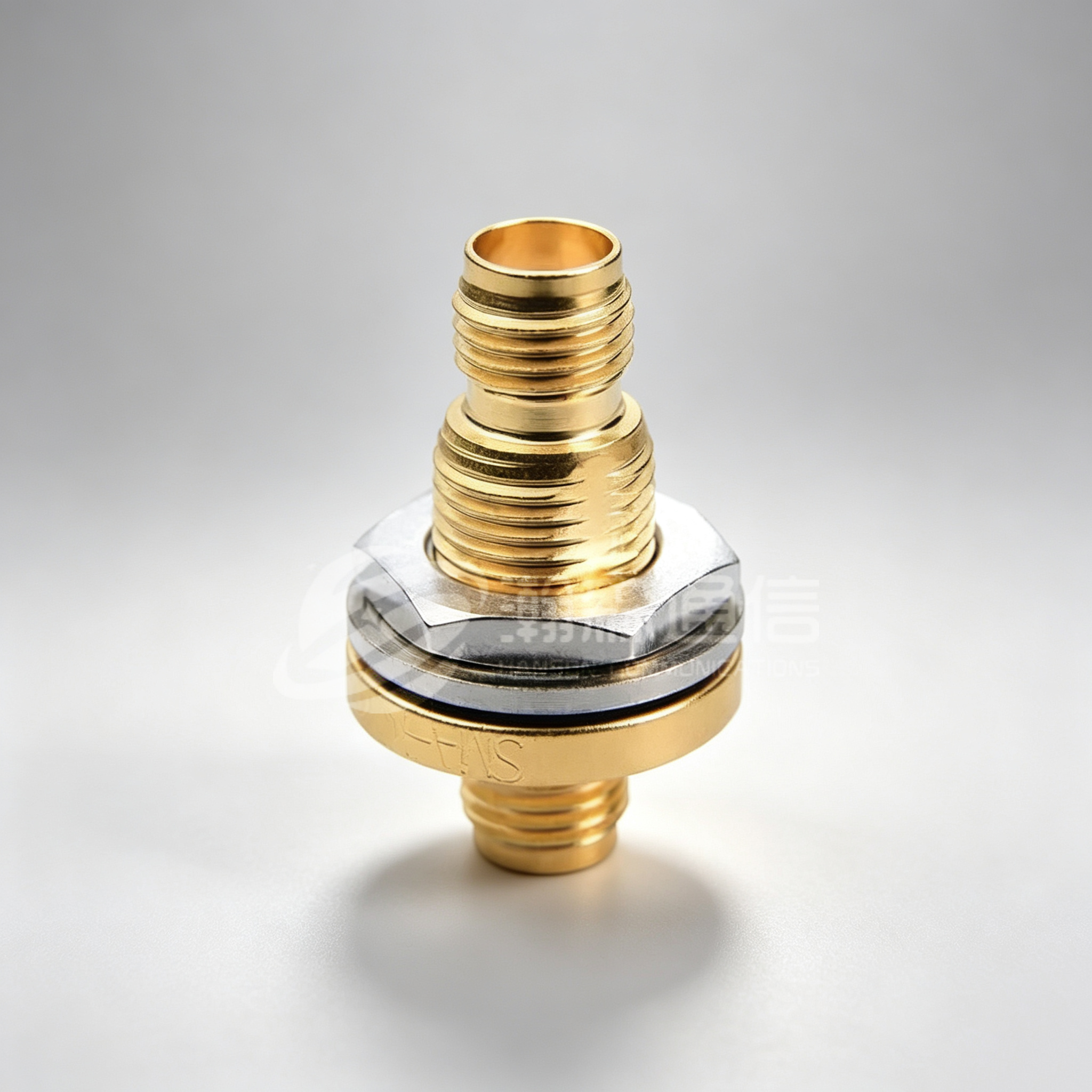
Programs that need a Hermetically Sealed Connector built around a specific glass-to-metal seal configuration typically work directly with a manufacturer rather than a general distributor. Ningbo Hanson Communication Technology Co., Ltd. operates as a Hermetic Connector Manufacturer and Wholesale RF Glass Sintered Sealed Insulator Factory, with more than 30 years of combined experience in RF coaxial connectors, adapters, and cable assemblies.
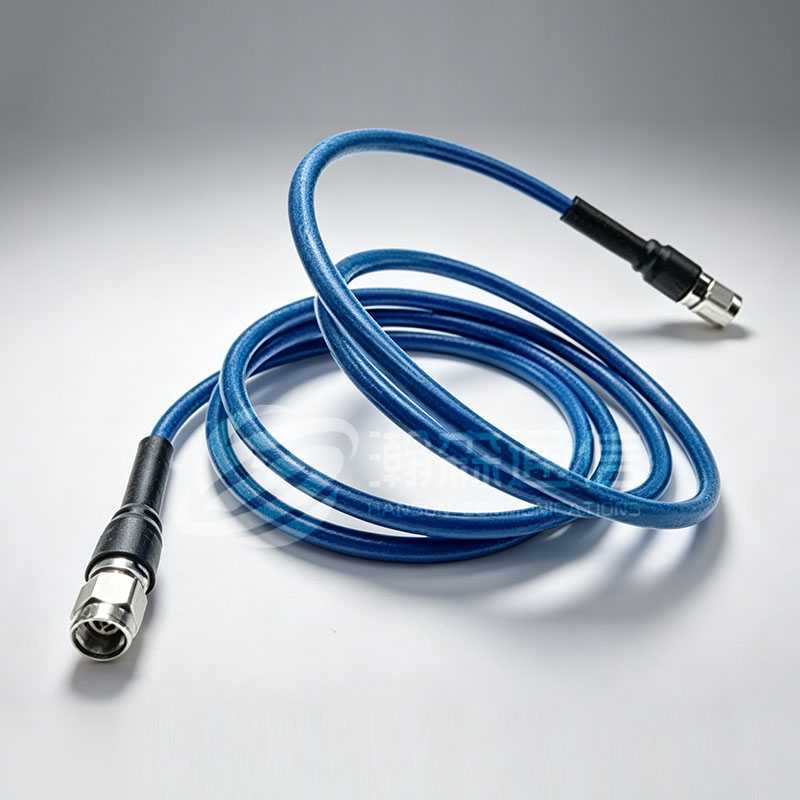
The company maintains its own machining workshop, electroplating workshop, and assembly workshop, supported by a stable group of material suppliers, which allows tighter control over each stage of production from raw material through final assembly. As a China Hermetic Connector Factory, the main product range includes RF coaxial connectors, adapters, high-frequency cable assemblies, and low intermodulation cable assemblies, alongside Custom Hermetic Feedthrough and OEM Hermetic Connector programs for customers with specific configuration requirements.
Products from this Hermetic Connector Supplier are used across aerospace, communication base station, and medical equipment applications, where consistent hermeticity and RF performance are ongoing operational priorities. For engineering teams sourcing a Hermetic Connector OEM partner, working with a manufacturer that controls its own machining and plating processes generally supports more consistent batch-to-batch quality across a production run.
Frequently Asked Questions About Hermetic Connectors
- Q1: What is a hermetic connector?
A: A hermetic connector is an electrical or RF interface built with a sealed barrier, typically glass-to-metal, that prevents gas, moisture, or contaminants from crossing between the outside environment and a sealed enclosure. - Q2: How does glass-to-metal sealing work?
A: A glass insulator is fused directly to a metal shell and contact pin under controlled heat, forming a rigid bond that isolates the pin electrically while sealing the enclosure. - Q3: How is hermeticity tested?
A: Hermeticity is most commonly verified through helium leak detection, where the sealed component is exposed to helium and measured with a mass spectrometer to detect very small leak rates. - Q4: What is helium leak testing?
A: Helium leak testing is a method that exposes a sealed component to helium gas and uses a sensitive detector to measure any helium escaping through the seal, confirming the hermeticity level. - Q5: Why use hermetic feedthroughs?
A: Hermetic feedthroughs protect sensitive internal environments from moisture, gas, and contamination while still allowing electrical or RF signals to pass through the enclosure wall. - Q6: How to choose a hermetic connector?
A: Focus on glass-to-metal seal quality, documented hermeticity test results, RF performance for the intended frequency range, material compatibility, and available customization options. - Q7: What materials are used in hermetic connectors?
A: Common materials include Kovar or copper alloy contact pins, sintered or fused glass insulators, stainless steel or Kovar shells, and gold or nickel plating. - Q8: What causes hermetic seal failure?
A: Common causes include thermal cycling stress, mechanical shock during installation, corrosion at the plating interface, contamination during sealing, and improper storage before assembly.
Looking For Business Opportunity?
Request for a call today
-

+86-15715730755
-

-

No. 1, Longcao Road, Dongqian Lake Tourism Resort Industrial Zone, Yinzhou District, Ningbo City, Zhejiang, China.
Message
Copyright © Ningbo Hanson Communication Technology Co., Ltd.
