


 English
 русский
Industry News
 Home / News / Industry News / What Is a Hermetically Sealed Connector and Why Is It Used in High Reliability Electronics?
 What Is a Hermetically Sealed Connector and Why Is It Used in High Reliability Electronics?
 2026.08.06
 Industry News
Content
- 1 Quick Answer: What Is a Hermetically Sealed Connector
- 2 How a Hermetically Sealed Connector Works
- 3 What Is an RF Glass Sintered Sealed Insulator
- 4 Hermetic vs Standard Connector: Feature Comparison Table
- 5 Sealing Performance Compared
- 6 Hermetic Connector Structure Explained
- 7 Where Hermetically Sealed Connectors Are Used
- 8 Environmental Performance and Reliability Considerations
- 9 Manufacturing Process Overview
- 10 How to Choose a Hermetically Sealed Connector for Your Application
- 11 About Ningbo Hanson Communication Technology Co., Ltd.
- 12 Frequently Asked Questions
Quick Answer: What Is a Hermetically Sealed Connector
A hermetically sealed connector is a connector built with a permanent glass-to-metal or glass-sintered seal around its contacts, creating a gas-tight barrier that keeps moisture, gas, and contaminants from crossing into a sealed housing. This matters in high reliability electronics because systems such as aerospace equipment, satellites, communication base stations, subsea electronics, and medical devices often depend on maintaining a stable internal atmosphere, and even a very small leak path can lead to corrosion, signal degradation, or complete failure over the life of the product.
At the center of this sealing method is the RF Glass Sintered Sealed Insulator, a fused glass insulating body that both isolates the center contact pin electrically and forms the physical seal against the outer shell. The sections below walk through how this works, where it is applied, and how it compares with standard, non-hermetic connectors.
- A hermetic connector relies on a fused glass or glass-ceramic seal rather than an elastomer gasket.
- The RF Glass Sintered Sealed Insulator provides both electrical insulation and gas-tight sealing in a single component.
- Hermetic connectors are commonly specified for vacuum, pressurized, or environmentally sealed enclosures.
- Standard connectors typically rely on softer seals that are more suited to everyday, non-extreme environments.
How a Hermetically Sealed Connector Works
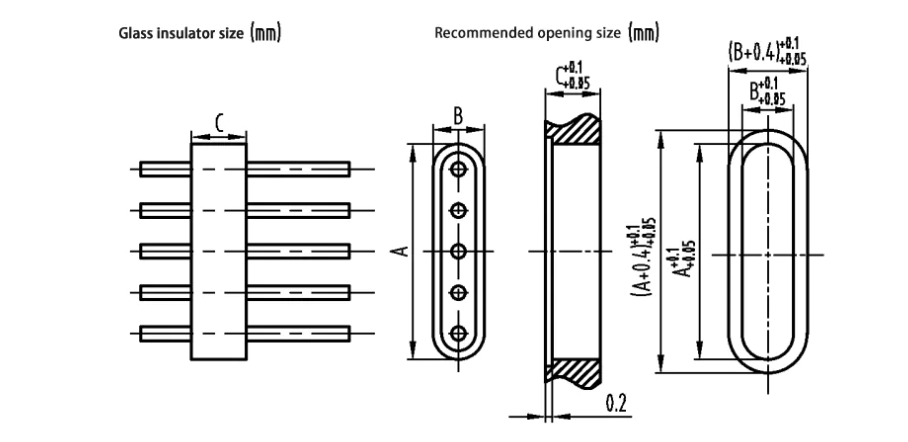
In a typical hermetically sealed connector, the center contact pin passes through a glass or glass-ceramic insulator that is fused directly to the metal shell using heat during manufacturing. As the glass cools, it forms a continuous, void-free bond with both the pin and the surrounding metal body, which is often described as a glass to metal sealed connector construction. Unlike a rubber or silicone gasket, this fused glass seal does not rely on compression or elasticity to maintain its seal, which is one reason hermetic seals tend to hold up over long service periods and wide temperature swings.
Because the glass is sintered, or fused under controlled heat, into a dense, non-porous structure, the resulting insulator resists gas and moisture penetration far more effectively than typical polymer insulation used in standard connectors. This sintering process is also why the industry frequently refers to this component as an RF Glass Sintered Sealed Insulator when it is used specifically inside RF coaxial hermetic connectors.
Core Elements of the Sealing Mechanism
- A metal shell or housing that forms the outer boundary of the seal
- A center contact pin passing through the glass insulator
- A fused glass or glass-ceramic body bonding the pin to the shell
- A weld or braze joint attaching the sealed insert to the connector body or housing wall
What Is an RF Glass Sintered Sealed Insulator
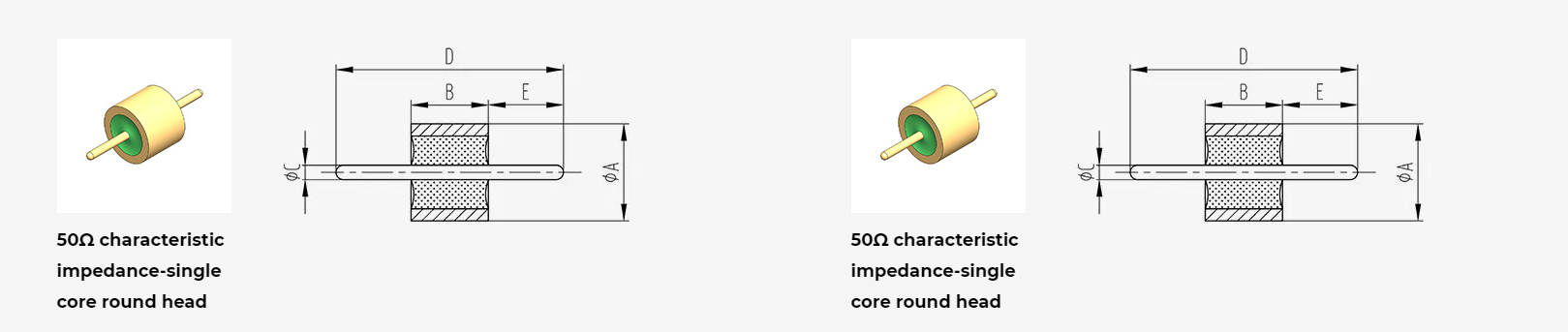
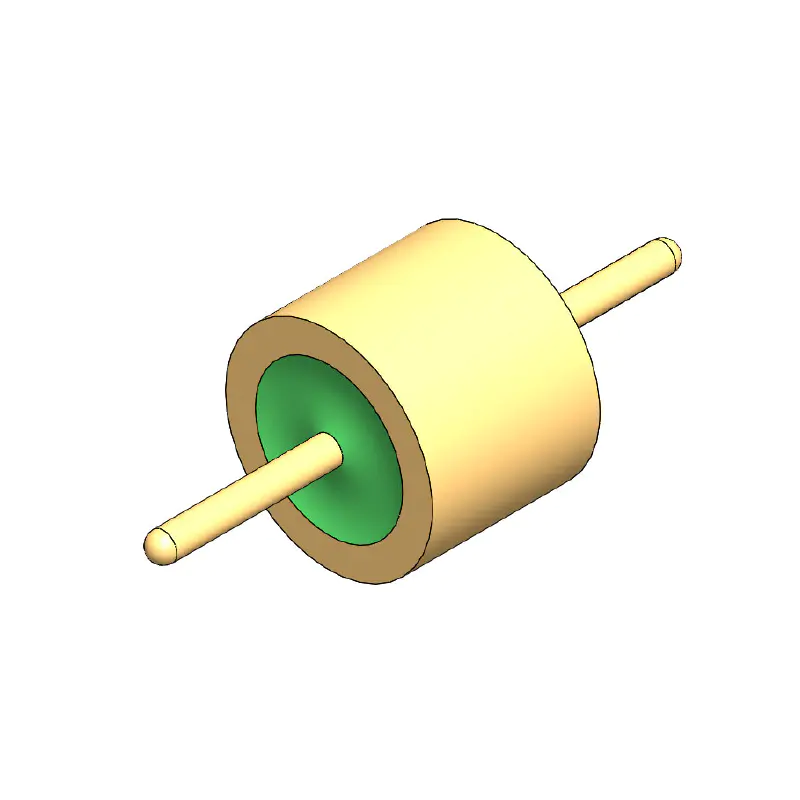
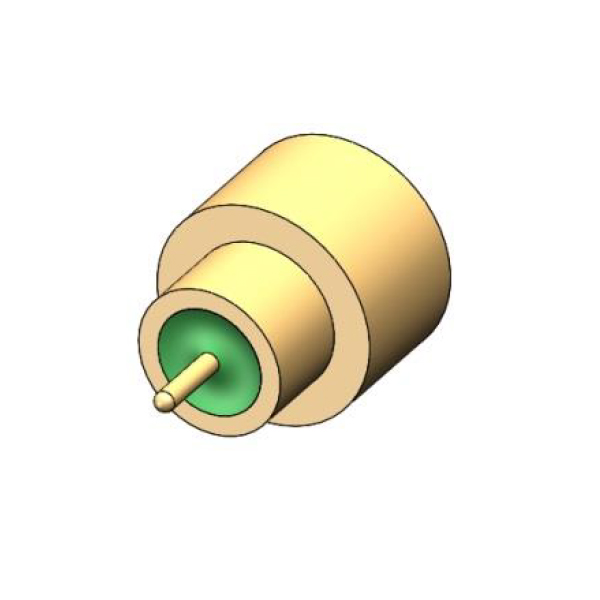
An RF Glass Sintered Sealed Insulator is the fused glass component inside an RF hermetic connector that separates the center conductor from the outer shell while also forming the gas-tight seal. During manufacturing, glass powder or preformed glass rings are placed around the center pin inside the connector shell, then heated until the glass melts and fuses to both the pin and the shell, forming a single solid insulating and sealing structure once it cools.
Because this component must maintain a controlled dielectric spacing for radio frequency performance while also holding a hermetic seal, it is sometimes marketed under related terms such as glass sealed RF connector insulation or simply a glass hermetic insert. The insulator geometry, glass composition, and pin diameter all influence impedance control, which is why RF hermetic components are typically designed and tested as a matched electrical and mechanical system rather than as separate parts.
Why Glass Is Chosen Over Other Insulating Materials
- Glass forms a continuous, non-porous seal when properly fused to metal
- Glass maintains stable dielectric properties across a wide temperature range
- Glass-to-metal seals do not rely on compression, so they are less prone to seal relaxation over time
- Sintered glass supports the tight dimensional control needed for consistent RF impedance
Hermetic vs Standard Connector: Feature Comparison Table
The table below outlines general differences between hermetically sealed connectors and standard, non-hermetic connectors. Actual performance depends on the specific design, materials, and testing applied by the manufacturer.
| Feature | Hermetically Sealed Connector | Standard Connector |
|---|---|---|
| Sealing Method | Fused glass or glass-ceramic seal | Elastomer gasket or O-ring |
| Gas and Moisture Resistance | Very high, gas-tight seal | Moderate, depends on gasket condition |
| Vacuum Compatibility | Well suited to vacuum environments | Limited, seal may degrade under vacuum |
| Temperature Range | Wide, stable across extremes | Narrower, limited by gasket material |
| Typical Applications | Aerospace, satellites, medical devices, RF base stations | General indoor and light outdoor electronics |
| Long-Term Seal Stability | Generally stable, no compression relaxation | Can decline as gasket material ages |
Sealing Performance Compared
The chart below presents a relative, illustrative comparison of hermetically sealed connectors against standard connectors across four commonly discussed performance factors.
Hermetically sealed connectors tend to score highly across all four factors, largely because the fused glass seal does not depend on ongoing compression to remain gas-tight. Standard connectors can still perform well in general-purpose settings, but their sealing performance is more closely tied to gasket condition, installation torque, and environmental exposure over time.
Hermetic Connector Structure Explained
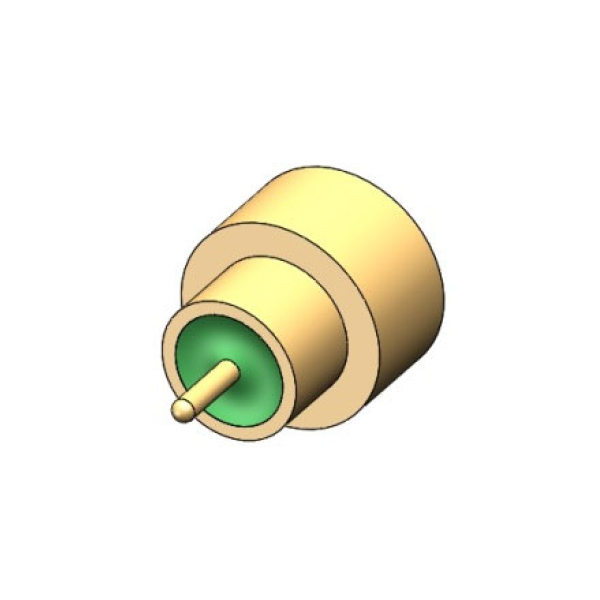
The illustration below outlines the general structural layout of a typical hermetically sealed RF connector, showing how the outer shell, glass seal, and center pin relate to one another.
Reading the Hermetic Connector Layout
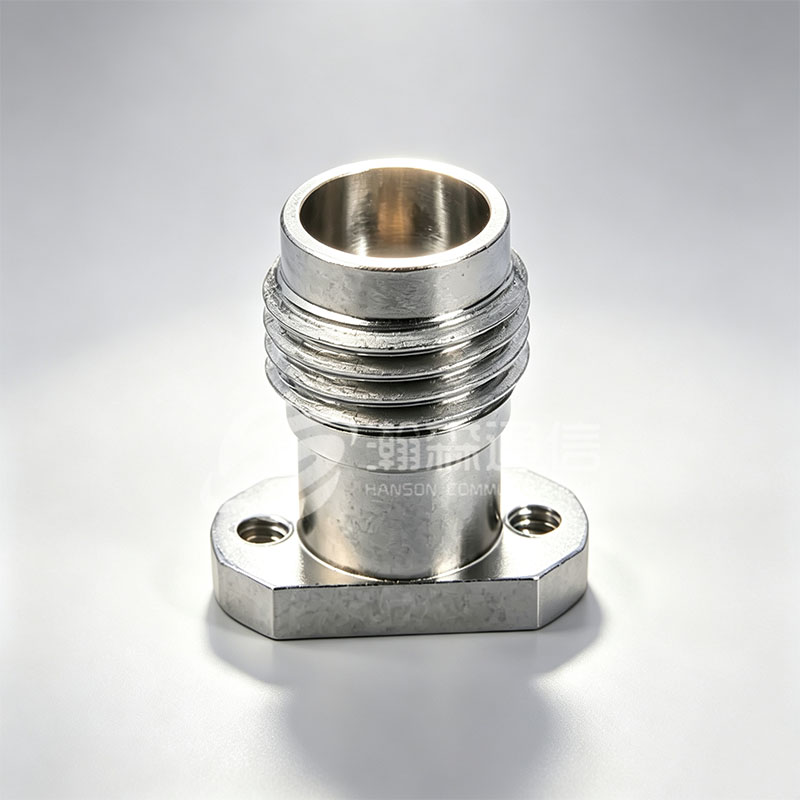
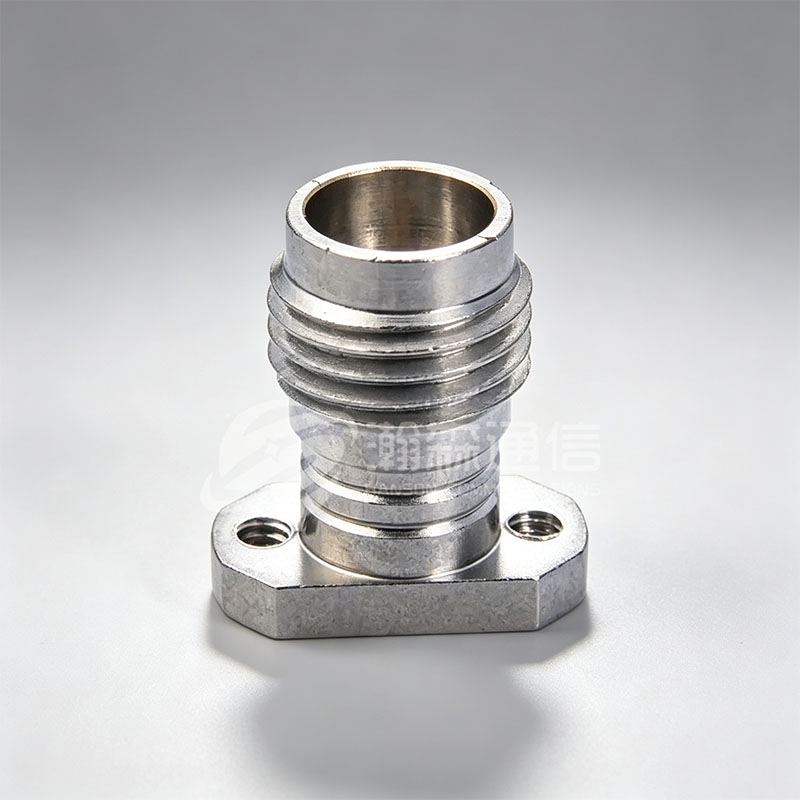
In this layout, the metal shell forms the outer boundary of the sealed assembly, while the glass sintered seal sits inside the shell, bonding directly to both the housing and the center contact pin. The mounting flange allows the connector to be welded or brazed into a housing wall or bulkhead, and the mating end provides the RF interface for connecting a cable assembly. This is the same basic arrangement used in a hermetic RF feedthrough connector, where the goal is to pass an RF signal across a sealed wall without breaking the gas-tight barrier.
Where Hermetically Sealed Connectors Are Used
Hermetically sealed connectors appear most often in systems where a controlled internal atmosphere, vacuum, or long unattended service life is required. The column chart below illustrates a general, non-exact usage pattern across common sectors.
An RF hermetic connector is frequently specified in aerospace and satellite systems, where components must survive launch vibration, vacuum exposure, and extreme thermal cycling without a functional failure. Communication base stations and RF infrastructure also rely on hermetic connectors to protect sensitive RF paths from moisture ingress in outdoor cabinets, while medical equipment uses similar sealing principles to protect sensitive electronics inside enclosed housings. Defense systems and subsea or oil and gas equipment round out the common application areas, both of which depend on long-term seal integrity in demanding environments.
Environmental Performance and Reliability Considerations
Temperature extremes are one of the most common stress factors used to evaluate connector sealing performance. The line chart below shows a general trend in how sealing performance tends to shift across a wide operating temperature range.
A hermetically sealed connector tends to maintain relatively stable performance across a wide span of operating temperatures, since the fused glass seal is not dependent on elastic recovery the way a rubber gasket is. Standard connectors can perform well within moderate temperature ranges but often show a steeper decline in sealing performance as conditions move toward temperature extremes.
Multi-Factor Comparison
The radar chart below brings several reliability factors together at once, comparing moisture resistance, vacuum compatibility, temperature stability, vibration resistance, long-term reliability, and RF signal consistency.
Across most of these factors, hermetically sealed connectors tend to hold an advantage, particularly for moisture resistance, vacuum compatibility, and long-term reliability. Standard connectors can still be a reasonable choice for less demanding environments where the added sealing performance is not required for the application.
Manufacturing Process Overview
While exact process steps vary by manufacturer and connector design, most hermetic glass-to-metal seals follow a broadly similar sequence during production.
- The metal shell, center pin, and glass material are prepared and cleaned to the required tolerances.
- Glass powder, a glass preform, or a glass ring is positioned around the pin inside the shell.
- The assembly is heated in a controlled furnace cycle until the glass fuses to both the pin and the shell.
- The assembly is cooled under controlled conditions to reduce stress in the glass and metal interface.
- The sealed insert is tested for hermeticity, typically using a helium leak detection method, along with electrical and RF performance checks.
- The finished hermetic insert is welded, brazed, or otherwise integrated into the final connector or feedthrough housing.
This general approach applies whether the end product is a simple glass to metal sealed connector for a basic feedthrough or a more complex custom hermetic connector designed for a specific RF interface and mounting configuration.
How to Choose a Hermetically Sealed Connector for Your Application
The following steps outline a practical way to approach connector selection for a specific system or enclosure.
- Identify the operating environment, including temperature range, pressure conditions, and whether vacuum exposure is expected.
- Confirm the RF or electrical performance requirements, including impedance, frequency range, and signal type.
- Review the mounting configuration needed, such as a bulkhead feedthrough, panel mount, or in-line connector body.
- Discuss pin count, contact spacing, and shell size with the manufacturer to match the connector to the available space.
- Ask about hermeticity testing methods used during production, such as helium leak detection, to understand how sealing performance is verified.
- Consider whether a custom hermetic connector design is needed to match an existing housing or an unusual RF interface.
About Ningbo Hanson Communication Technology Co., Ltd.
Ningbo Hanson Communication Technology Co., Ltd. is a hermetically sealed connector manufacturer based in China, specializing in the production, processing, and trade of communication components. The company has more than 30 years of combined experience in RF coaxial connectors, adapters, and cable assemblies, supported by its own machining workshop, electroplating workshop, and assembly workshop, along with a group of established suppliers.
Main products include RF coaxial connectors, adapters, high-frequency cable assemblies, and low intermodulation cable assemblies, alongside dedicated capability as an RF Glass Sintered Sealed Insulator producer for hermetic and RF feedthrough applications. The company also offers custom hermetic connector design services to help customers meet specific mounting, pin configuration, and RF interface requirements. Products from Ningbo Hanson Communication Technology Co., Ltd. are used across aerospace, communication base stations, medical equipment, and other high-technology fields, supported by an engineering team focused on continuous process improvement.
Frequently Asked Questions
|
Q1: What is a hermetically sealed connector A hermetically sealed connector is a connector built with a fused glass or glass-ceramic seal around its contacts, forming a gas-tight barrier that prevents moisture and gas from entering a sealed housing. |
Q2: How does a hermetic connector work The center pin passes through a glass insulator that is fused to the metal shell during manufacturing, creating a solid, non-porous seal that does not rely on compression to stay gas-tight. |
|
Q3: What are hermetic connectors used for They are used in applications that require a controlled internal atmosphere or long-term seal integrity, including aerospace systems, satellites, communication base stations, and medical equipment. |
Q4: Why use glass sealed connectors Glass sealed connectors resist moisture and gas penetration more effectively than gasket-based designs and tend to maintain stable performance across wide temperature ranges. |
|
Q5: What is glass-to-metal sealing technology Glass-to-metal sealing is a manufacturing process where glass is fused under heat directly to a metal pin and shell, forming a permanent, gas-tight insulating seal. |
Q6: What is RF hermetic sealing RF hermetic sealing refers to glass-to-metal sealing applied specifically to RF coaxial connectors, where the sealed insulator must also maintain controlled impedance for signal performance. |
|
Q7: Difference between hermetic and standard connectors A hermetic connector uses a fused glass seal for gas-tight performance, while a standard connector typically uses an elastomer gasket that is more suited to general-purpose environments. |
Q8: How are hermetic feedthroughs manufactured Hermetic feedthroughs are made by fusing glass around a center pin inside a metal shell under controlled heat, then testing the finished part for hermeticity and electrical performance. |
Looking For Business Opportunity?
Request for a call today
-

+86-15715730755
-

-

No. 1, Longcao Road, Dongqian Lake Tourism Resort Industrial Zone, Yinzhou District, Ningbo City, Zhejiang, China.
Message
Copyright © Ningbo Hanson Communication Technology Co., Ltd.
