


 English
 русский
Industry News

How to Choose the Right RF Coaxial Adapter?
 2025.12.16
 Industry News
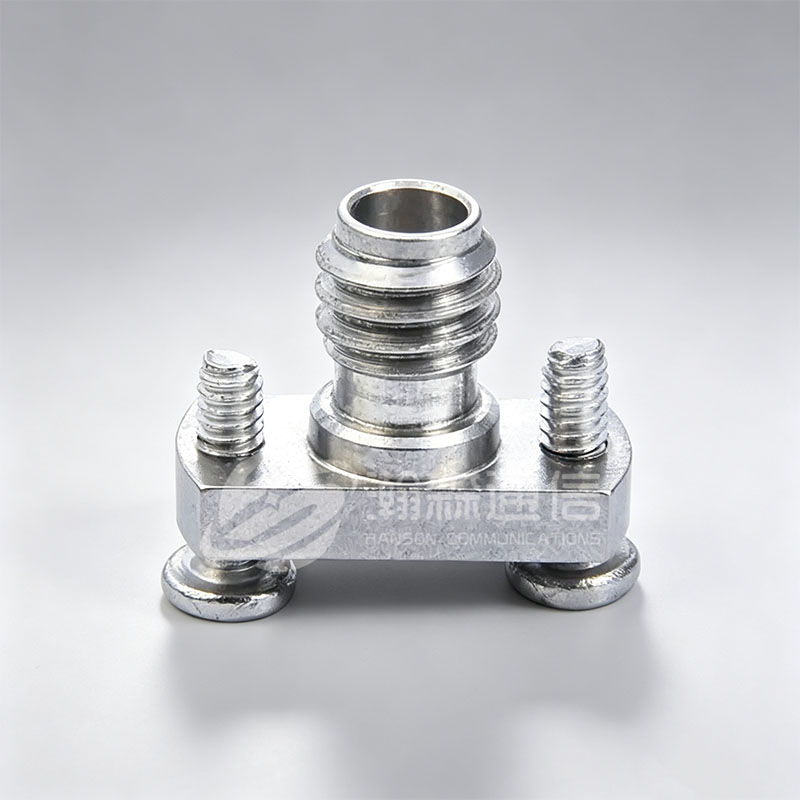
RF coaxial adapters are indispensable components in wireless communication, electronic equipment, and signal transmission. They act as bridges connecting different RF coaxial cables and devices, ensuring stable and efficient signal transmission. However, with numerous models and specifications of RF coaxial adapters on the market, choosing the right product has become a concern for many engineers and technicians.
This article will guide you on how to select the appropriate RF coaxial adapter based on different needs to ensure system stability and performance.
1. Understanding the Basic Functions of RF Coaxial Adapters
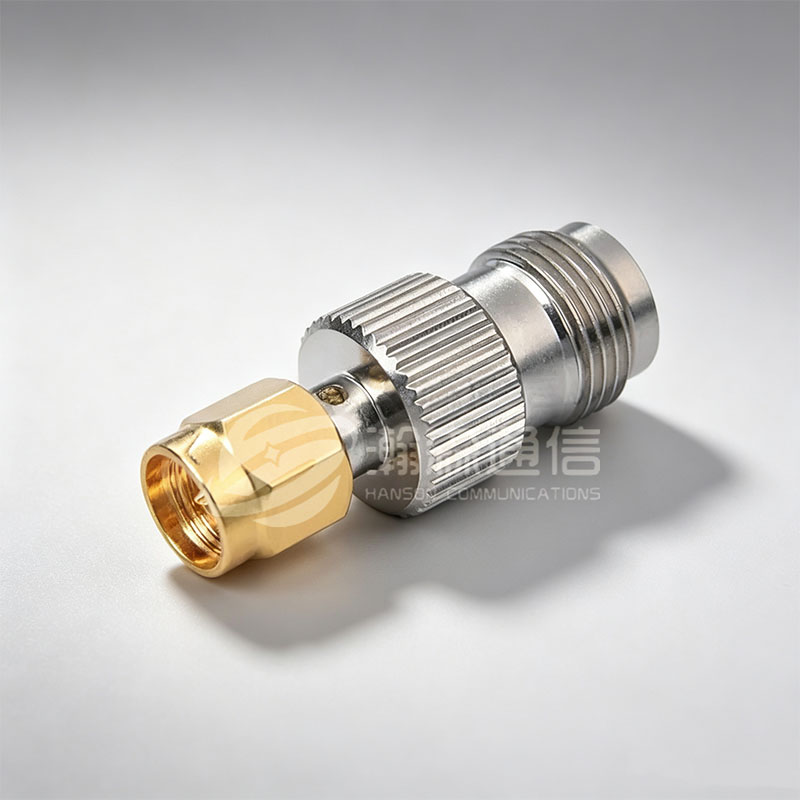
RF coaxial adapters are electronic components used to connect different types of RF coaxial cables, devices, or ports. Their main functions are:
Connecting different types of ports: RF coaxial adapters can connect different types of coaxial cable ports, such as BNC, SMA, N-type, etc.
Signal conversion: They can convert signals from one type of interface to another, ensuring smooth signal transmission.
Reducing signal loss: Choosing a high-quality RF coaxial adapter can effectively reduce signal attenuation and ensure signal quality.
When choosing an adapter, you need to understand its working principle, application scenarios, and adaptation requirements to find the most suitable model.
2. Determining the Adapter's Interface Type
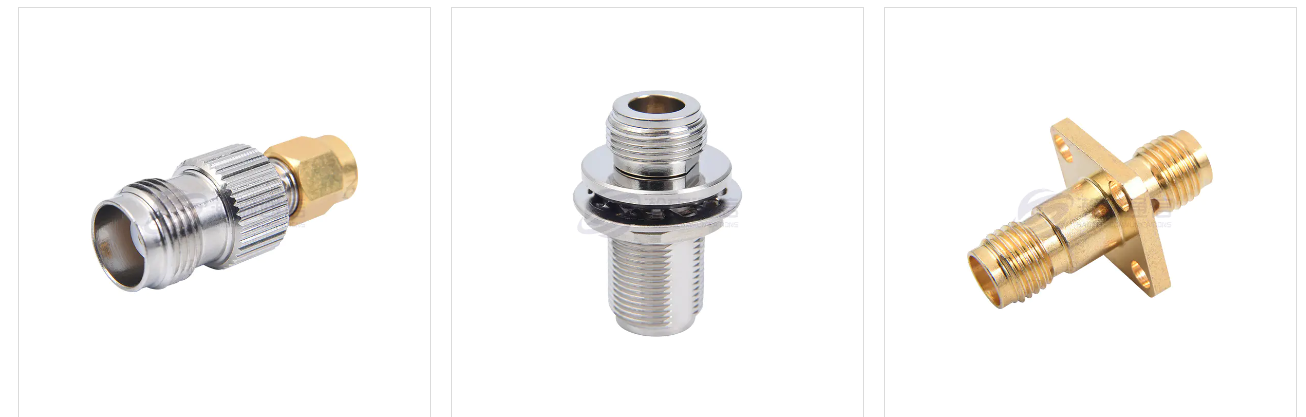
Different RF coaxial adapters are suitable for different types of coaxial cables and device interfaces, so you first need to determine the type of interface you are using. Common interface types include:
SMA (SubMiniature Version A): Commonly used in miniaturized, high-frequency applications, such as wireless communication and test equipment.
N-type: Suitable for high-power, high-current applications, such as base station equipment and RF systems.
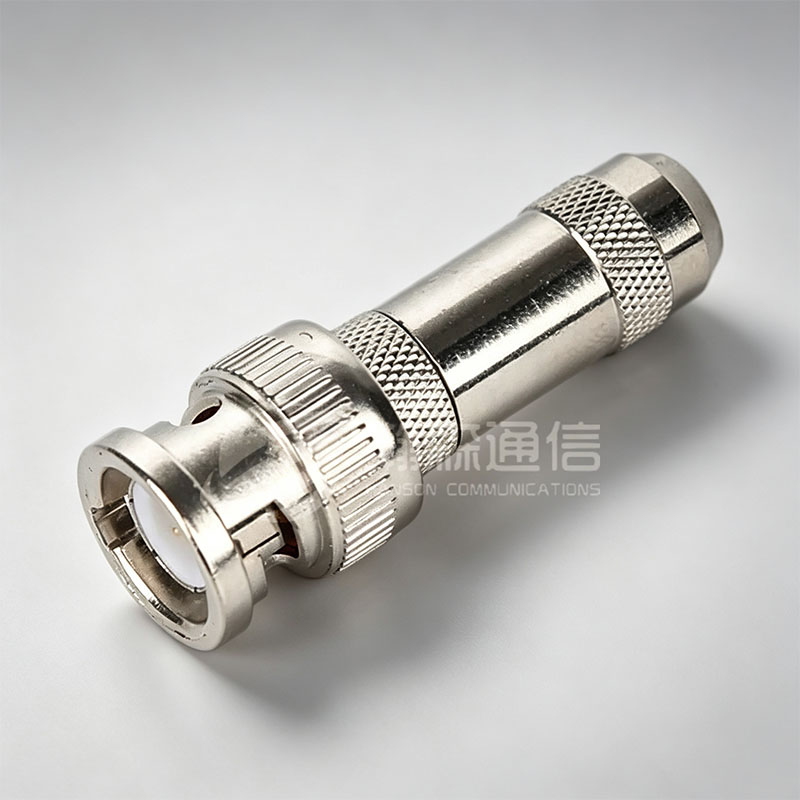
BNC (Bayonet Neill-Concelman): Widely used in television broadcasting and video surveillance, supporting quick connection and disconnection.
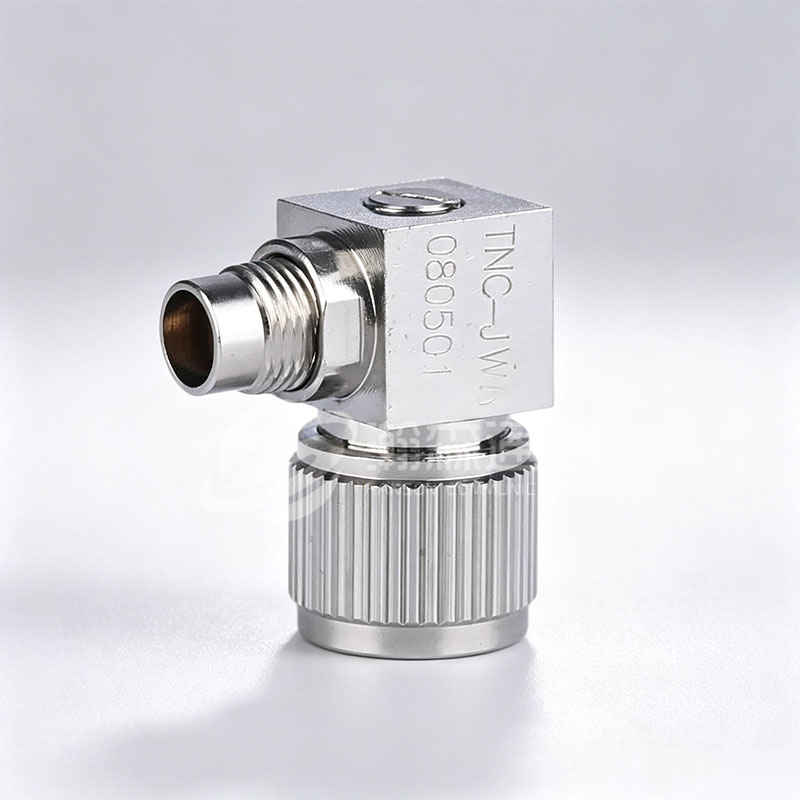
TNC: Similar to BNC, but with higher stability, often used for high-frequency signal transmission.
Ensure that the RF coaxial adapter you choose is compatible with the equipment or cable ports you are using. If the interface types do not match, the signal may not be transmitted properly, affecting system performance.
3. Considering the Adapter's Frequency Range
The frequency range of the RF signal has a significant impact on the quality of signal transmission. Different RF coaxial adapters are designed to handle different frequency ranges. Therefore, when selecting an adapter, it is essential to ensure that its operating frequency range meets the application requirements. Common frequency ranges include:
Low-frequency adapters: Suitable for lower frequency applications, such as radio and television broadcasting.
High-frequency adapters: Suitable for high-frequency applications, such as radar systems, satellite communications, and microwave communications.
Choosing an RF coaxial adapter with the appropriate frequency range can reduce signal attenuation and distortion, ensuring stable signal transmission.
4. Selecting the Adapter's Material and Quality
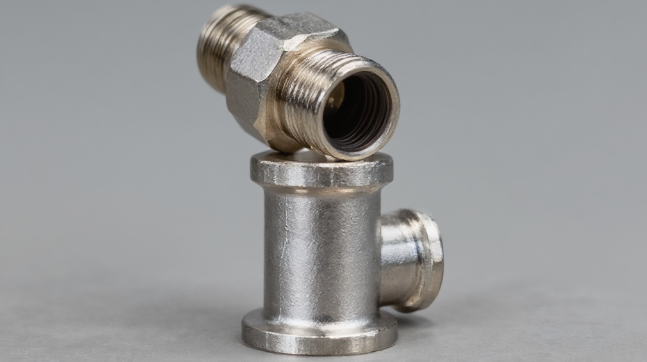
The material quality of the RF coaxial adapter directly affects its performance and durability. Typically, the adapter's housing and contact points use metal materials such as brass and stainless steel, which have good conductivity and corrosion resistance. High-quality adapters can effectively avoid problems such as signal reflection, loss, and poor contact.
In addition, gold-plated contacts are a common high-end design that further reduces signal loss and improves corrosion resistance. Therefore, when choosing an RF coaxial adapter, try to select products with good materials and craftsmanship to ensure the long-term stable operation of the system.
5. Considering the Adapter's Insertion Loss and Return Loss
RF signals experience some loss in the adapter; common losses include insertion loss and return loss. Insertion loss refers to the energy loss when the signal passes through the adapter, while return loss refers to the proportion of energy reflected back to the source.
Low insertion loss: Choosing an adapter with low insertion loss ensures reduced energy loss during signal transmission.
High return loss: High return loss indicates a lower signal reflection rate, meaning smoother signal transmission.
In high-frequency and high-precision applications, it is advisable to choose RF coaxial adapters with low insertion loss and high return loss to ensure stable signal transmission.
6. Considering the Adapter's Durability and Environmental Adaptability
RF coaxial adapters are typically used in various environments, including indoor and outdoor settings. Therefore, the adapter's durability and environmental adaptability are also important factors to consider when making a selection. Common durability indicators include:
Temperature range: The adapter should be able to operate stably within the required temperature range. For outdoor or high-temperature environments, choosing an adapter with a wider operating temperature range is crucial. Waterproof and Dustproof: Some high-end RF coaxial adapters are designed with waterproof and dustproof features, making them suitable for harsh environmental conditions.
Choosing an RF coaxial adapter that meets environmental requirements can extend the lifespan of the equipment and improve system reliability.
Selecting the appropriate RF coaxial adapter is crucial for ensuring stable signal transmission and superior system performance. The selection process requires considering multiple factors, including interface type, frequency range, material quality, insertion loss and return loss, environmental adaptability, and cost. In practice, understanding system requirements, choosing high-quality adapters, and ensuring compatibility with the equipment can significantly improve RF signal transmission and equipment stability.
Looking For Business Opportunity?
Request for a call today
-

+86-15715730755
-

-

No. 1, Longcao Road, Dongqian Lake Tourism Resort Industrial Zone, Yinzhou District, Ningbo City, Zhejiang, China.
Message
Copyright © Ningbo Hanson Communication Technology Co., Ltd.
