


 English
 русский
Industry News

What is an RF Coaxial Connector and Why is it Important?
 2026.02.20
 Industry News
Content
What is an RF Coaxial Connector and Why is it Important?
An RF coaxial connector is a crucial component used to transmit radio frequency (RF) signals between devices. These connectors ensure reliable and secure connections for high-frequency signals, which are essential in telecommunications, broadcasting, and networking. Without RF coaxial connectors, the integrity of data transmission would be compromised, leading to signal loss or distortion. These connectors are widely used in industries like electronics, aerospace, and wireless communication systems.
How Does an RF Coaxial Connector Work?
RF coaxial connectors work by providing a means for electrical signals to travel through a conductive path while being shielded by a surrounding metal layer. This shielding reduces interference and noise from external sources, ensuring that the signal remains clear and reliable. The center conductor transmits the signal, while the outer shield protects against electromagnetic interference (EMI). Proper installation and selection of RF coaxial connectors are key to maintaining signal quality over long distances.
Types of RF Coaxial Connectors
There are several types of RF coaxial connectors, each designed to meet specific requirements for different applications. Some of the most common types include:
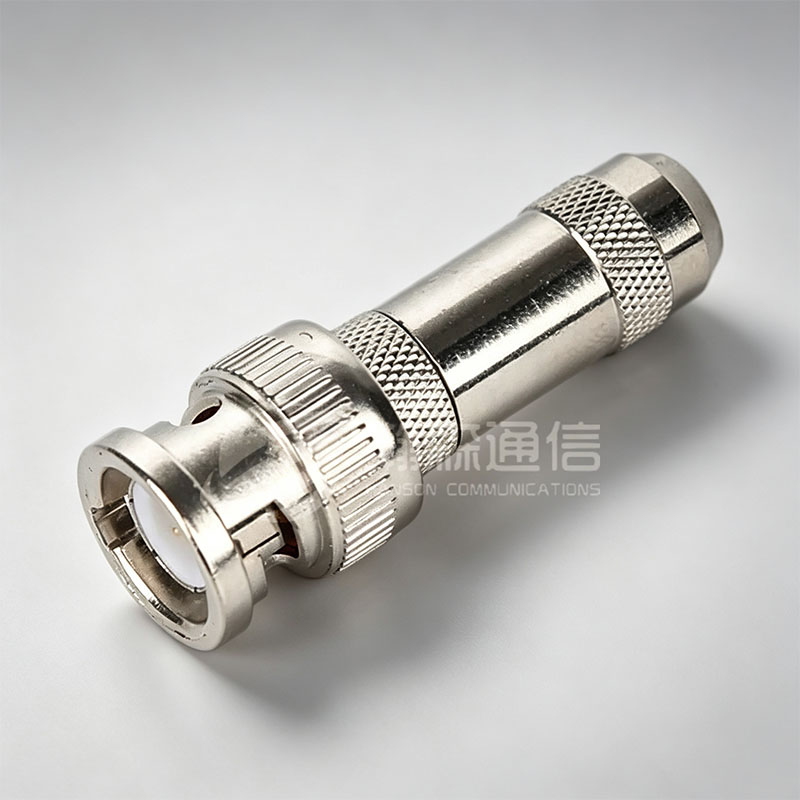
- BNC Connector: Often used in video, radio, and data transmission applications, the BNC connector is widely known for its easy-locking mechanism.
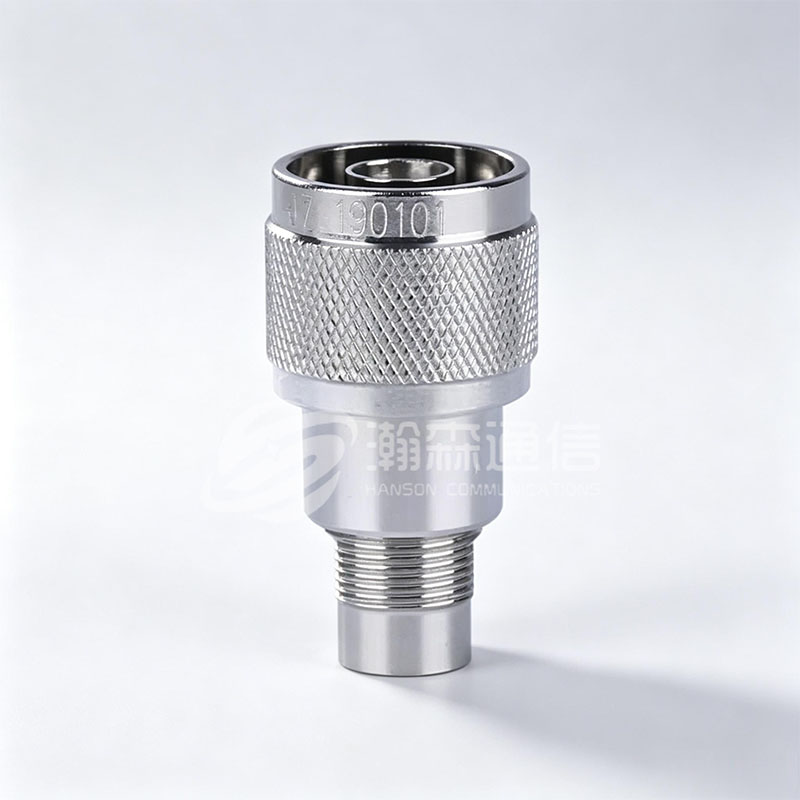
- N Connector: N connectors are typically used for outdoor applications due to their durability and weather resistance. They are often used in telecommunications systems.
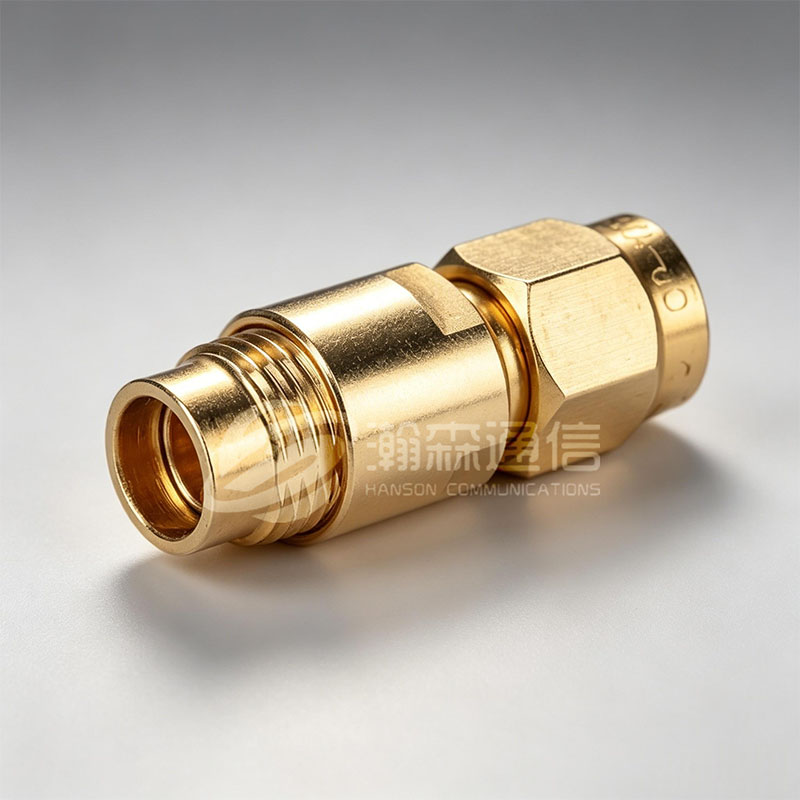
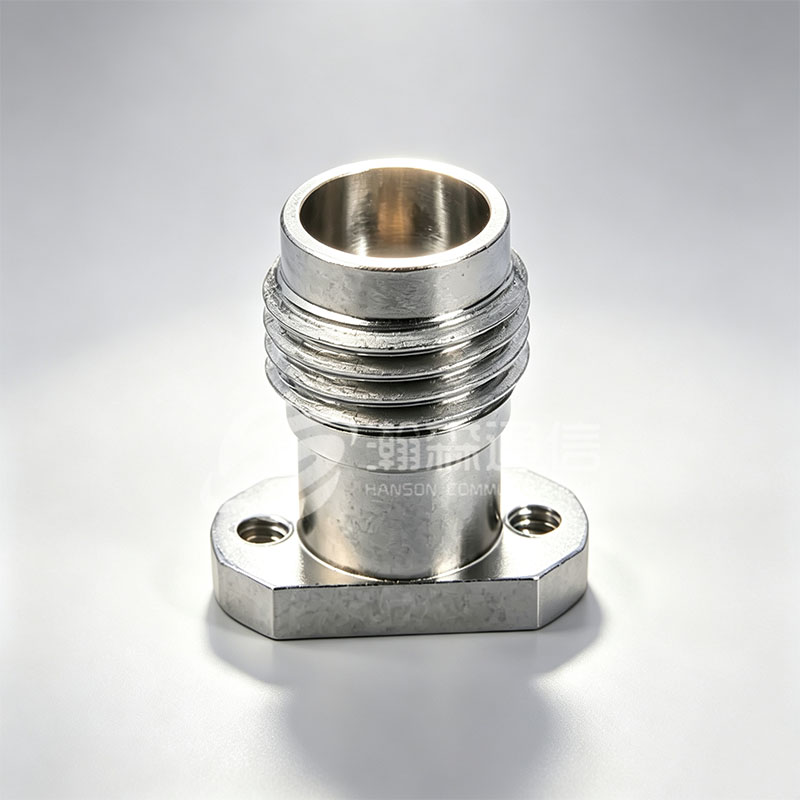
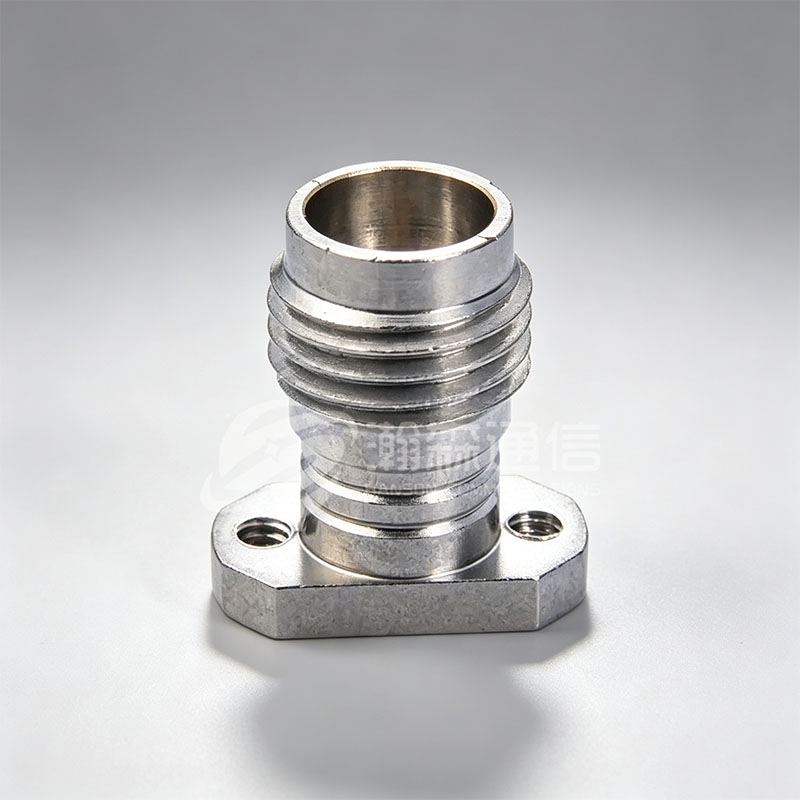
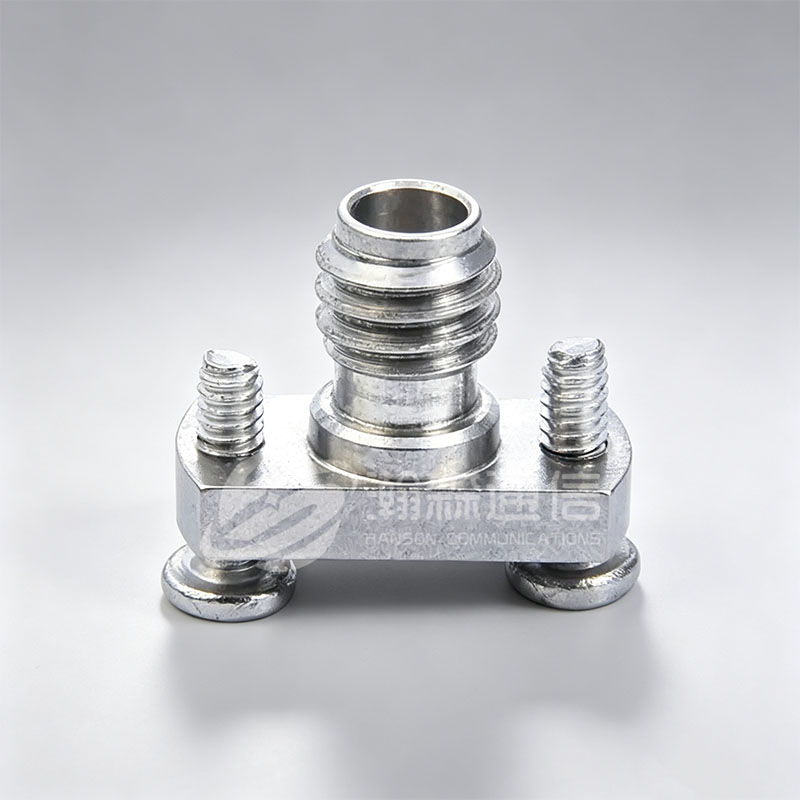
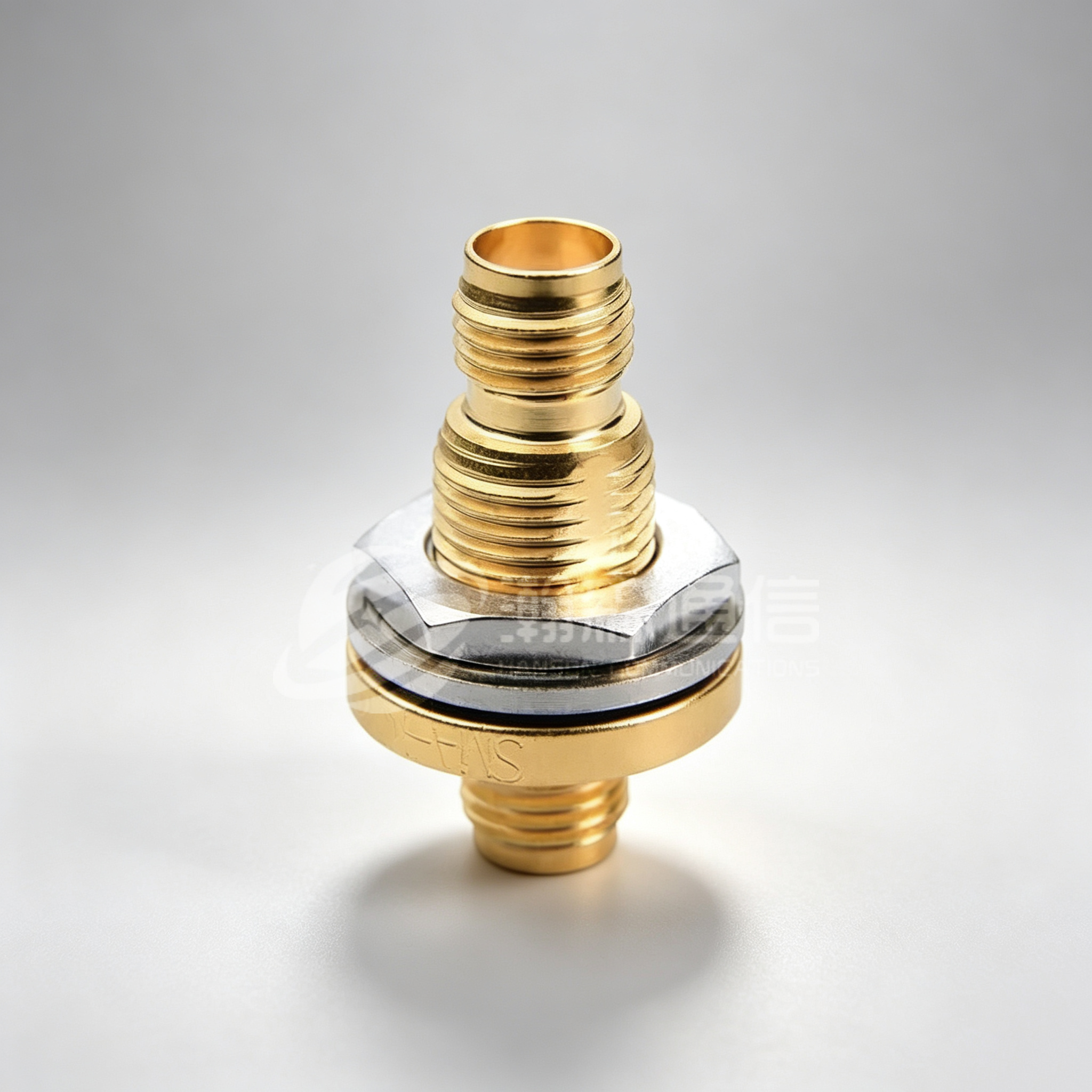
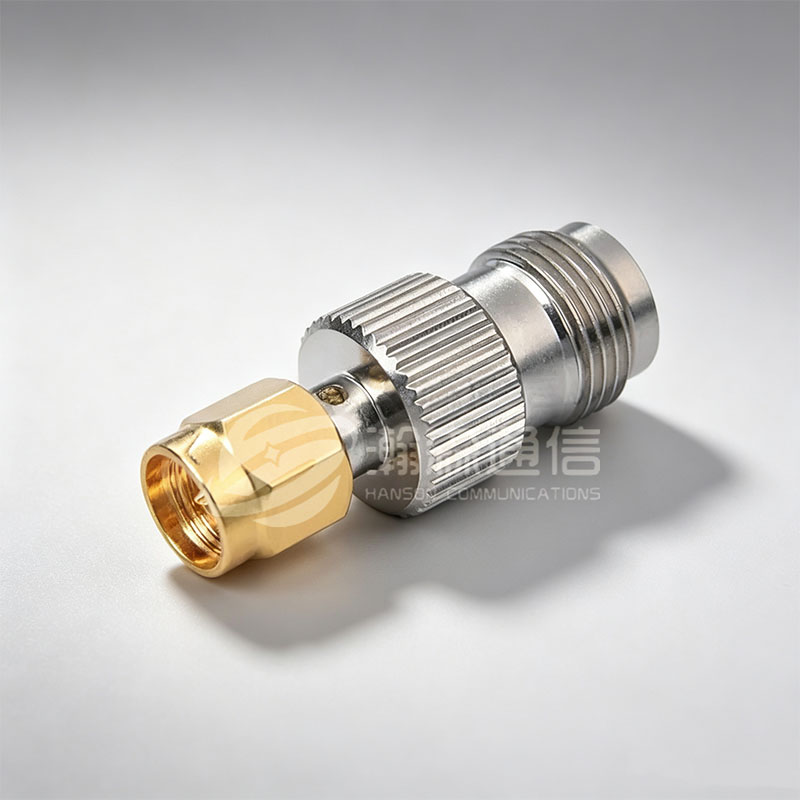
- SMA Connector: The SMA connector is a smaller connector type, commonly used in high-frequency applications like microwave and wireless communications.
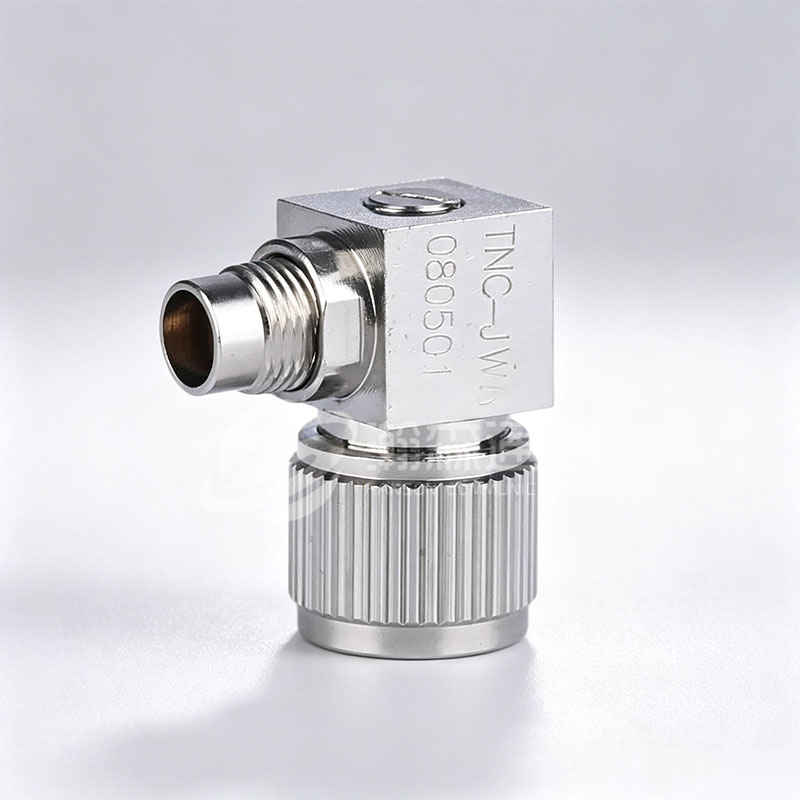
- TNC Connector: The TNC connector is similar to the BNC but with a threaded coupling mechanism, providing a more secure connection for RF signals.
Applications of RF Coaxial Connectors
RF coaxial connectors are used in a wide range of industries, particularly those that rely on high-frequency signals. Some of the most prominent applications include:
- Telecommunications: RF connectors are essential in cell towers and mobile networks, ensuring stable communication between devices.
- Broadcasting: In television and radio broadcasting, RF coaxial connectors help transmit high-quality video and audio signals.
- Networking: RF connectors are used in Wi-Fi routers and other wireless networking equipment to maintain reliable connections over long distances.
- Aerospace and Military: RF connectors play a critical role in aircraft and defense systems, providing secure and interference-free communication.
Key Features to Consider When Choosing an RF Coaxial Connector
Selecting the right RF coaxial connector depends on various factors, including the application, signal frequency, and environmental conditions. Key features to consider include:
| Feature | Description |
|---|---|
| Impedance | Impedance matching (typically 50 ohms or 75 ohms) is critical for minimizing signal reflection and ensuring signal integrity. |
| Durability | Consider the connector’s durability based on the environment, especially for outdoor or harsh industrial applications. |
| Frequency Range | Ensure the connector supports the required frequency range for the application, from low-frequency signals to microwave frequencies. |
Frequently Asked Questions (FAQ)
- Q: What is the difference between 50 ohm and 75 ohm RF coaxial connectors? A: 50 ohm connectors are used for high-power applications like networking and telecommunications, while 75 ohm connectors are primarily used for video applications such as television and broadcasting.
- Q: Can RF coaxial connectors be used outdoors? A: Yes, but it's essential to choose connectors with weather-resistant features, such as those with TNC or N types, which are designed to withstand outdoor conditions.
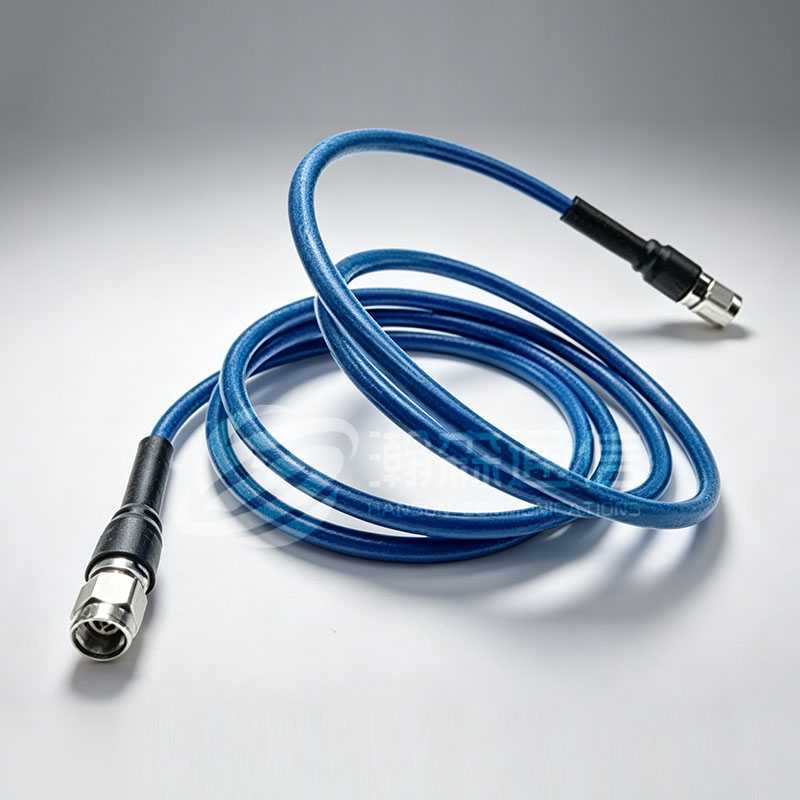
- Q: How do I choose the right RF coaxial connector for my application? A: Consider the connector’s impedance, frequency range, durability, and environmental factors. It’s also important to match the connector with the cable type used in your system.
Looking For Business Opportunity?
Request for a call today
-

+86-15715730755
-

-

No. 1, Longcao Road, Dongqian Lake Tourism Resort Industrial Zone, Yinzhou District, Ningbo City, Zhejiang, China.
Message
Copyright © Ningbo Hanson Communication Technology Co., Ltd.
