


 English
 русский
Industry News

What is an RF Cable Assembly and Why is it Important?
 2026.01.22
 Industry News
In today’s technology-driven world, many industries rely on effective communication systems to transmit signals with clarity and precision. One critical component that plays a major role in this process is the RF (Radio Frequency) cable assembly. But what exactly is an RF cable assembly, and why is it so crucial in various applications? In this article, we’ll explore what an RF cable assembly is, its key advantages, and important things to consider when using one.
Content
What is an RF Cable Assembly?
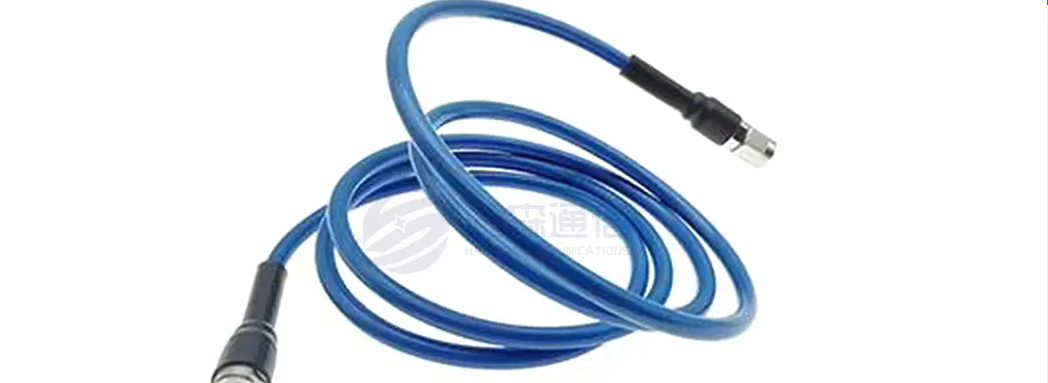
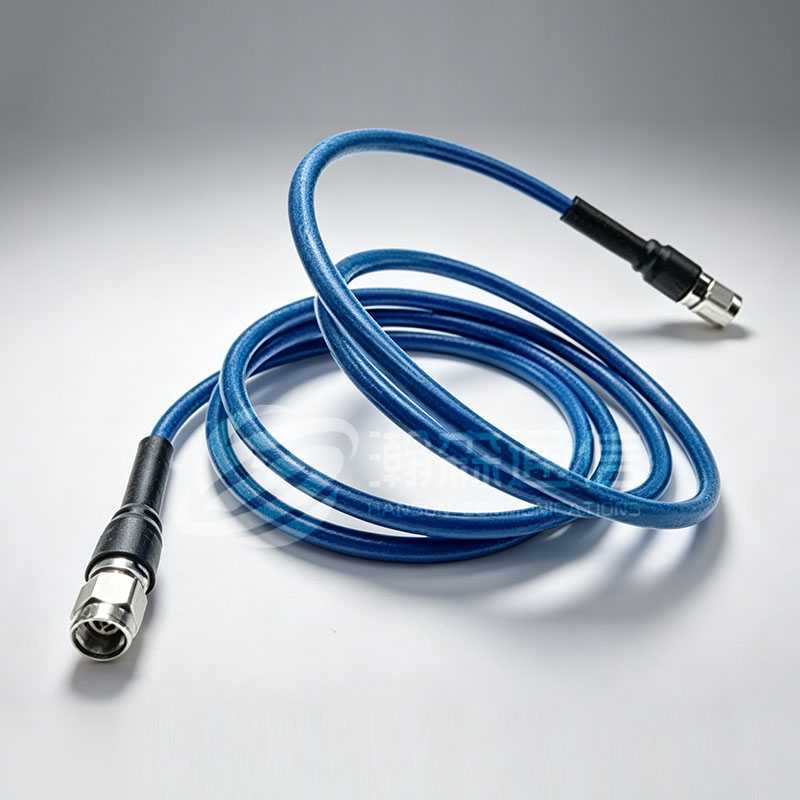
An RF cable assembly is a specialized type of cable used to transmit high-frequency signals, typically in the range of 3 kHz to 300 GHz. These cables are designed to carry signals between two devices, such as radios, antennas, satellite systems, and communication equipment, while maintaining signal integrity over long distances. RF cables consist of several components, including the central conductor, dielectric material, shielding, and outer jacket.
The central conductor is responsible for carrying the signal, while the dielectric material insulates the conductor and prevents interference. The shielding, often made of braided metal or foil, protects the signal from external electromagnetic interference (EMI). Finally, the outer jacket provides physical protection against environmental factors such as abrasion, moisture, and temperature changes. When all of these components are correctly assembled, they create a high-performance RF cable assembly that ensures efficient signal transmission.
What Are the Advantages of Using an RF Cable Assembly?
RF cable assemblies offer several advantages that make them essential in a wide range of applications, particularly in the telecommunications, aerospace, defense, and broadcasting industries. Here are some key benefits:
1. High Signal Integrity and Low Loss
One of the primary advantages of RF cable assemblies is their ability to transmit high-frequency signals with minimal signal loss. The specialized construction of these cables, including high-quality materials and precise shielding, ensures that the signal remains clear and strong as it travels through the cable. This is particularly important in applications like telecommunications, where signal degradation can result in poor audio or video quality, leading to communication breakdowns.
RF cables are designed to handle high frequencies with minimal distortion, which is essential for applications that require high-performance communication systems, such as satellite systems, wireless networks, and radar systems.
2. Durability and Reliability
RF cable assemblies are designed for durability and long-term reliability. The combination of shielding and protective outer jackets ensures that the cables can withstand harsh environments, including exposure to moisture, chemicals, extreme temperatures, and mechanical stress. This makes RF cables suitable for both indoor and outdoor use, even in demanding conditions.
In industries like aerospace and defense, where communication equipment must function flawlessly in extreme conditions, the durability and reliability of RF cables are essential for maintaining safety and operational efficiency.
3. Flexibility and Customization
RF cable assemblies are available in a wide range of designs, allowing for flexibility and customization to meet specific application needs. Whether you need a cable for a compact device, a high-power system, or a rugged outdoor installation, there is likely an RF cable assembly that fits the bill. Custom RF cable assemblies can be designed to meet unique size, connector, and performance requirements, ensuring that the cable assembly works seamlessly with your equipment.
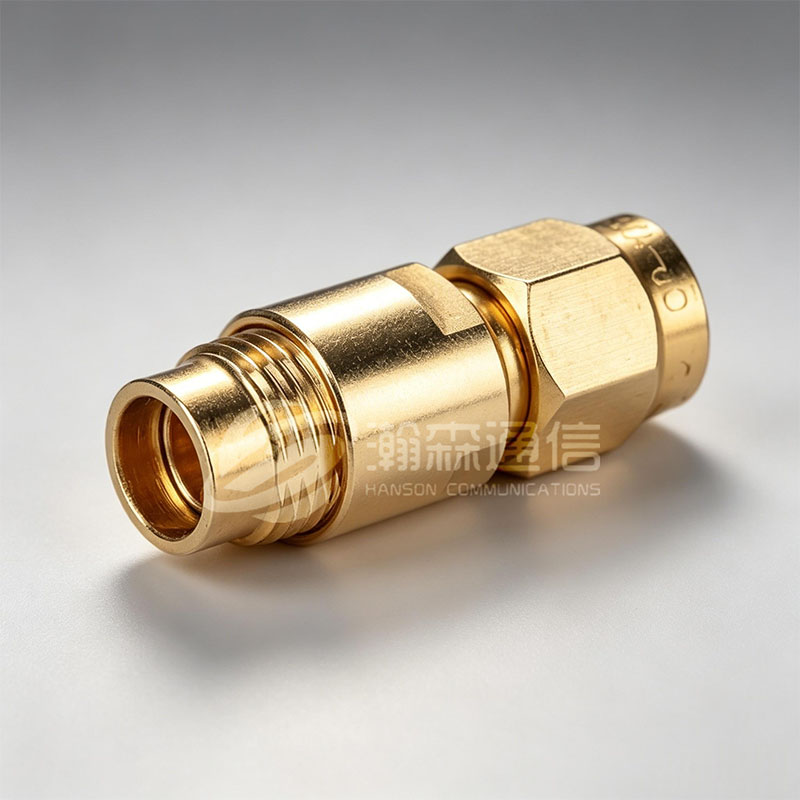
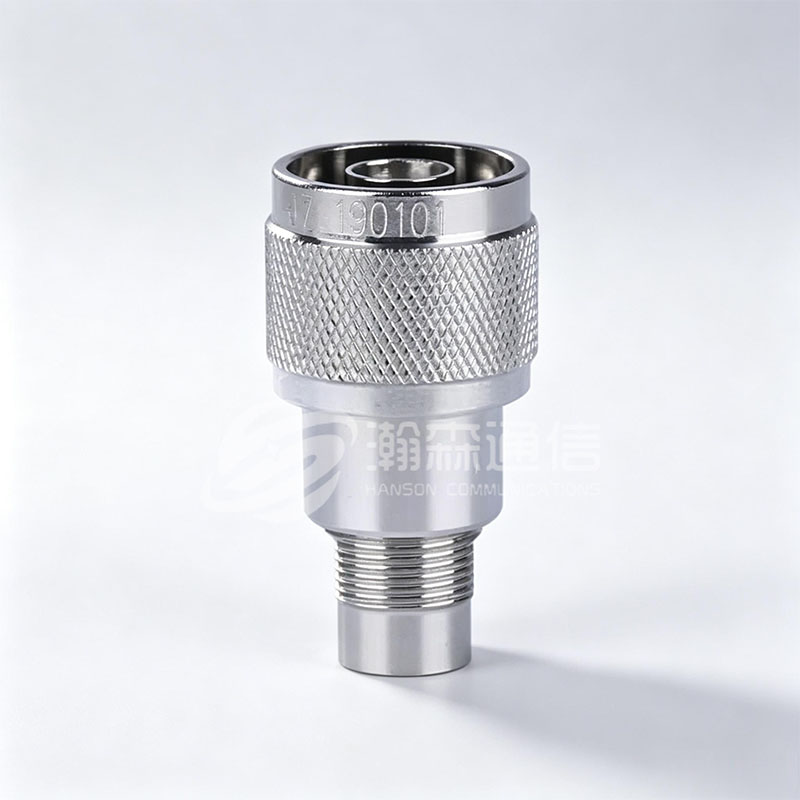
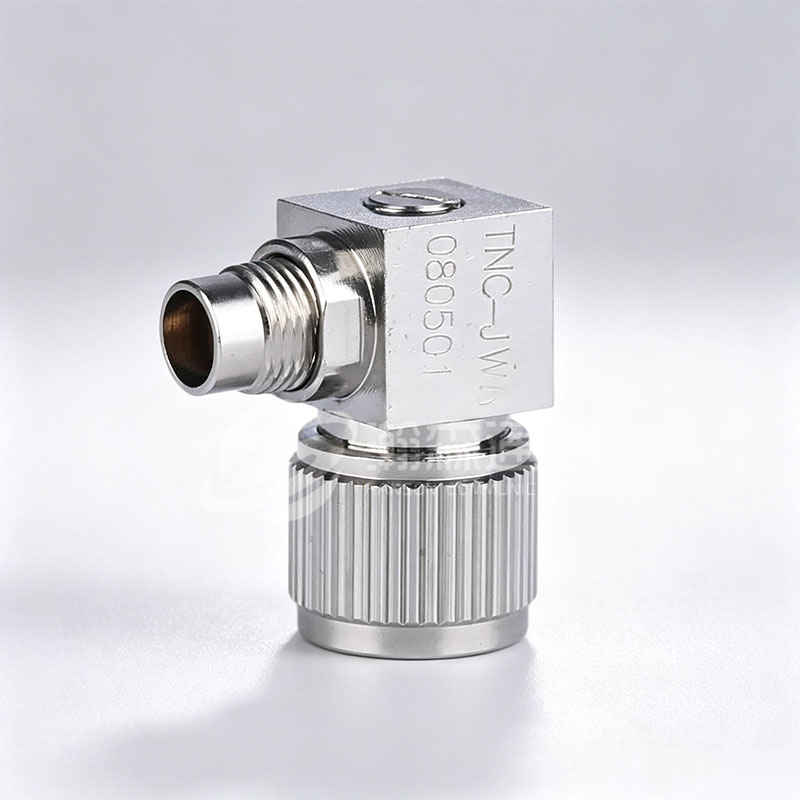
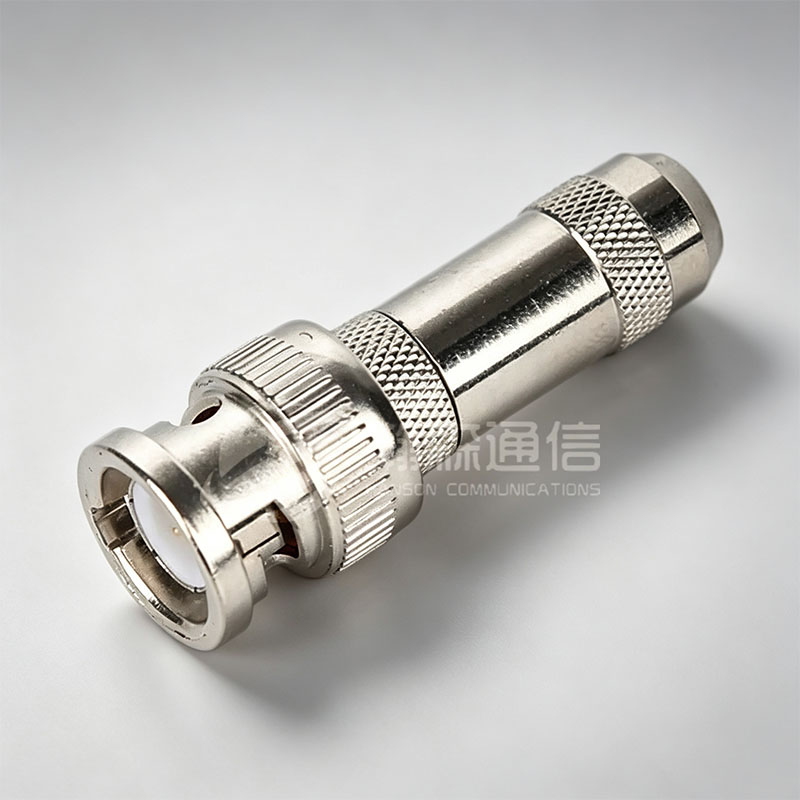
This flexibility also extends to the length and configuration of the cables. RF cable assemblies can be manufactured to precise lengths and include different types of connectors (e.g., SMA, BNC, TNC) to ensure compatibility with various devices.
4. Enhanced Electromagnetic Interference (EMI) Protection
RF cable assemblies are specifically designed to provide excellent protection against electromagnetic interference (EMI), which can distort or disrupt signal transmission. The shielding in an RF cable assembly, made of materials like braided copper or aluminum foil, acts as a barrier that blocks unwanted signals from entering or exiting the cable. This shielding ensures that the integrity of the signal is maintained, even in environments with high levels of electronic noise, such as factories, data centers, and military installations.
5. Wide Range of Applications
RF cable assemblies are used in a diverse range of applications, from everyday consumer electronics to highly specialized industrial systems. Common uses include:
- Telecommunications: RF cables are integral to cellular networks, satellite communications, and broadband systems.
- Aerospace and Defense: RF cables are used in radar, navigation systems, and satellite communication systems for military and civilian aircraft.
- Broadcasting: RF cables play a crucial role in radio and television broadcasting by transmitting high-frequency signals to antennas.
- Wireless Networks: RF cable assemblies are used in wireless communication systems, including Wi-Fi, Bluetooth, and 4G/5G networks.
What Should You Consider When Using an RF Cable Assembly?
While RF cable assemblies are highly effective in ensuring reliable signal transmission, there are some key factors to consider when using them. To maximize performance and longevity, here are a few important points to keep in mind:
1. Choosing the Right Cable for the Application
Different applications require different types of RF cables. The choice of cable depends on factors such as frequency range, power levels, environmental conditions, and connector types. For example, some RF cable assemblies are designed for high-frequency applications, while others are better suited for lower-frequency systems. Additionally, the material of the cable’s central conductor (e.g., copper vs. aluminum) and the quality of the shielding can impact performance.
It’s essential to choose an RF cable that meets the specific requirements of your system to ensure optimal signal integrity and performance.
2. Proper Installation and Handling
Proper installation is crucial to the performance and longevity of an RF cable assembly. Care should be taken to avoid sharp bends, excessive tension, or mechanical stress, as these can damage the cable and degrade its performance. It’s also important to use the correct connectors and ensure they are properly installed to avoid signal loss or reflection.
Additionally, RF cables should be installed away from sources of EMI, such as power cables or electronic equipment, to prevent interference from affecting signal transmission.
3. Regular Maintenance and Inspections
While RF cables are built to last, regular inspections are necessary to ensure they continue to perform effectively. Over time, environmental factors, wear and tear, or improper installation can cause degradation of the cable’s shielding, insulation, or connectors. It’s important to check the cable for any visible signs of damage, such as cuts, frays, or exposed conductors, which could lead to signal loss or safety hazards.
4. Compatibility with Connectors and Equipment
RF cables are typically designed to work with specific types of connectors and devices. When selecting an RF cable assembly, it’s important to ensure that the connectors match the ports on your equipment. Mismatched connectors or incompatible cable types can lead to signal degradation, reduced performance, and potential damage to both the cable and the connected devices.
Conclusion: Why Are RF Cable Assemblies Crucial for Modern Communication Systems?
RF cable assemblies are a vital component in modern communication systems, ensuring the reliable transmission of high-frequency signals across a wide range of applications. Whether in telecommunications, broadcasting, aerospace, or wireless networks, RF cables play a critical role in maintaining signal integrity, reducing interference, and ensuring the smooth operation of electronic systems.
By understanding the advantages of RF cable assemblies and carefully considering factors like cable type, installation, and maintenance, users can maximize the performance and longevity of their communication systems. Choosing the right RF cable assembly for your specific needs is key to ensuring optimal functionality and avoiding costly disruptions in service.
Looking For Business Opportunity?
Request for a call today
-

+86-15715730755
-

-

No. 1, Longcao Road, Dongqian Lake Tourism Resort Industrial Zone, Yinzhou District, Ningbo City, Zhejiang, China.
Message
Copyright © Ningbo Hanson Communication Technology Co., Ltd.
