


 English
 русский
Industry News

RF Connector Signal Attenuation? Causes and Solutions
 2026.01.15
 Industry News
In applications such as communication equipment, base station systems, test instruments, and wireless modules, many engineers encounter a common problem: the signal tests normally at the device end, but becomes significantly weaker or even unstable after connecting an RF connector.
In most cases, the problem doesn't lie with the equipment itself, but rather with improper selection, installation, or usage of the RF connector. Below, we'll explain the common causes of significant RF connector signal attenuation based on practical engineering experience, along with corresponding solutions.
1. What is RF Connector Signal Attenuation?
RF connector signal attenuation, simply put, is the phenomenon of reduced power and deteriorated quality after the signal passes through the connector. This typically manifests as decreased signal strength, shortened communication distance, increased bit error rate, waveform distortion, and decreased system stability. In high-frequency systems, this effect is amplified, directly impacting the performance of the entire system.
Improper Connector Selection Leads to Signal Attenuation
Many projects overlook the frequency and performance matching of connectors in the initial design phase. Different RF connector models have defined operating frequency ranges. Using a lower-specification interface in a high-frequency system can easily lead to increased insertion loss, impedance mismatch, and enhanced signal reflection. Furthermore, using a 75-ohm interface in a 50-ohm system will significantly increase reflection loss, resulting in degraded signal quality.
Signal Loss Due to Poor Contact
RF connectors are high-precision components with extremely high requirements for contact stability. If the connector is not fully inserted, the threaded interface is not tightened, or the center pin contact is unstable, it will lead to increased contact resistance. Increased contact resistance not only increases signal loss but can also cause overheating and long-term performance degradation.
Placing and Material Quality Affect Signal Transmission
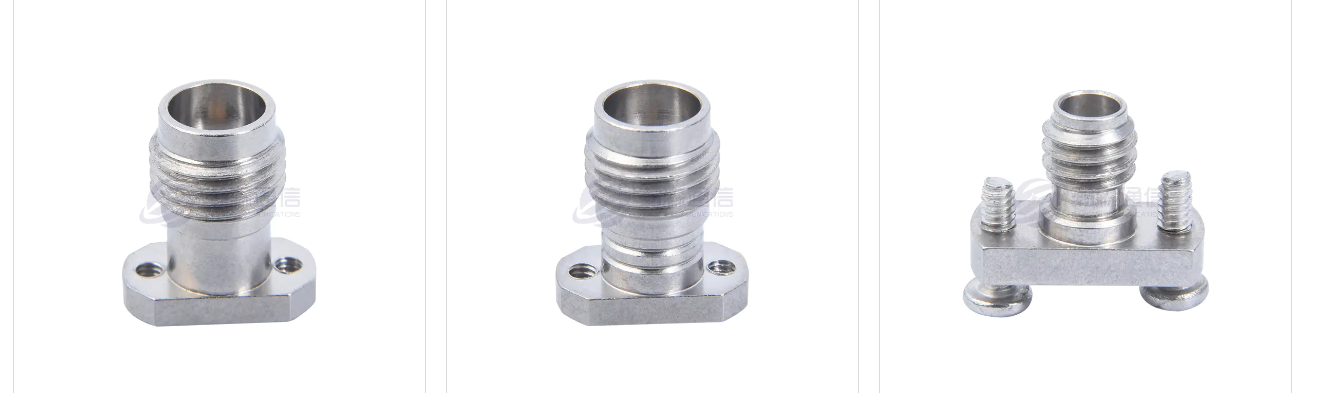
The internal conductor material and surface plating of the connector have a significant impact on signal transmission. High-quality RF connectors typically use high-purity copper and are gold- or silver-plated to ensure conductivity and oxidation resistance. Using inferior plating products can easily lead to surface oxidation, rough contact surfaces, and increased resistance, resulting in increasingly higher insertion loss over long-term use.
Operating Frequency Exceeding Connector Design Range
Each RF connector has a defined maximum operating frequency limit. Using connectors beyond their design frequency can lead to impedance mismatch, worsened return loss, and signal distortion. This is especially true in 5G communications, millimeter-wave applications, and high-precision testing systems, where frequency range requirements are even higher, necessitating connector specifications that strictly match system requirements.
Improper installation processes cause performance degradation
The installation process of RF connectors directly determines the final signal performance. Common problems include overheating during soldering causing insulation damage, improper crimping causing shielding discontinuities, and non-standard wire stripping dimensions causing center conductor misalignment. These seemingly minor issues can directly disrupt impedance continuity, resulting in additional signal loss.
2. How to determine if connector-related signal attenuation is the cause?
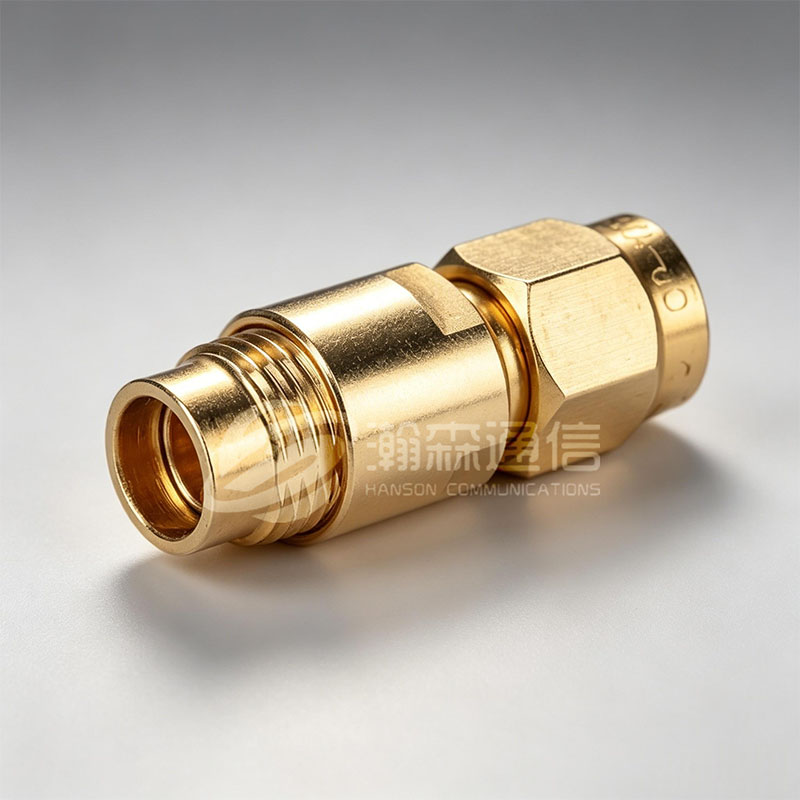
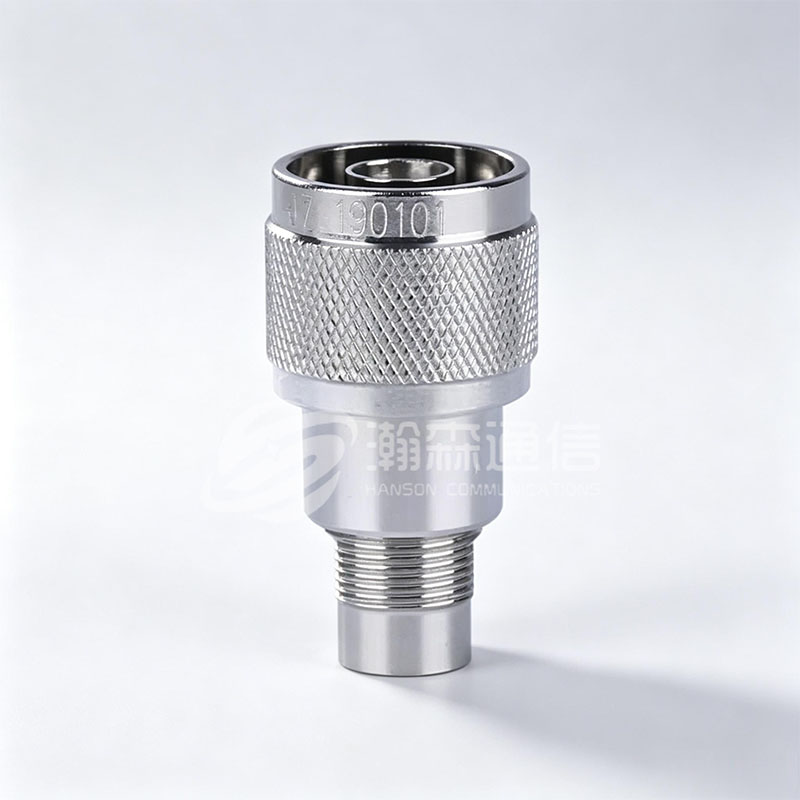
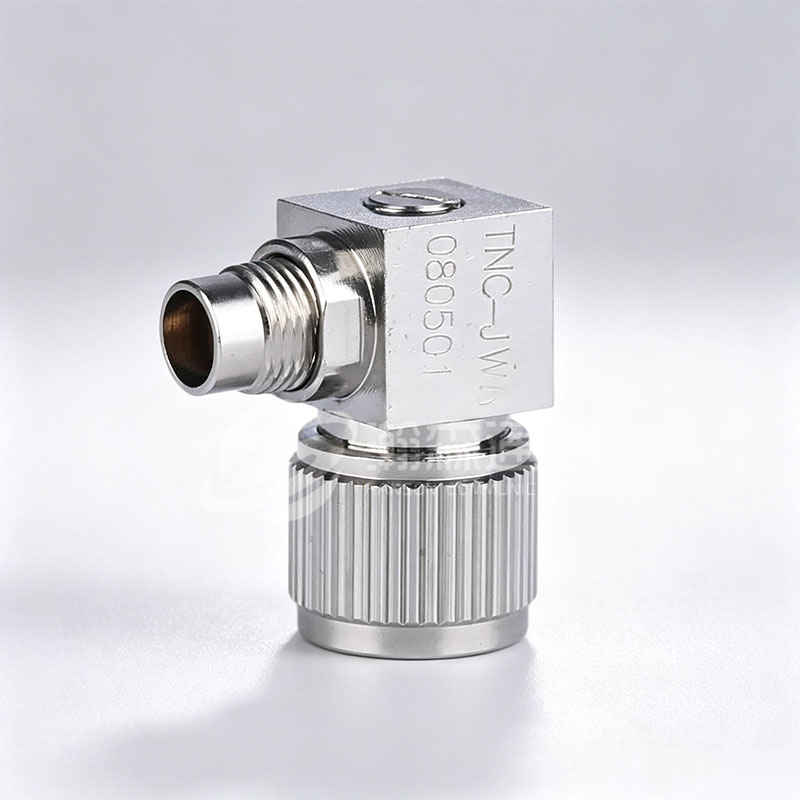
In actual debugging, you can replace the connector with a verified, qualified one for comparative testing. If the signal significantly improves, the source of the problem can be identified. A network analyzer can also be used to test parameters such as insertion loss, return loss, and VSWR, which directly reflect the connector's performance status. Furthermore, visually inspecting the interface for deformation, oxidation, or loosening is also a very effective troubleshooting method.
Looking For Business Opportunity?
Request for a call today
-

+86-15715730755
-

-

No. 1, Longcao Road, Dongqian Lake Tourism Resort Industrial Zone, Yinzhou District, Ningbo City, Zhejiang, China.
Message
Copyright © Ningbo Hanson Communication Technology Co., Ltd.
