


 English
 русский
Industry News
 Home / News / Industry News / RF Coaxial Connector: Is It the Key to Stable High-Frequency Signal Transmission?
 RF Coaxial Connector: Is It the Key to Stable High-Frequency Signal Transmission?
 2026.01.30
 Industry News
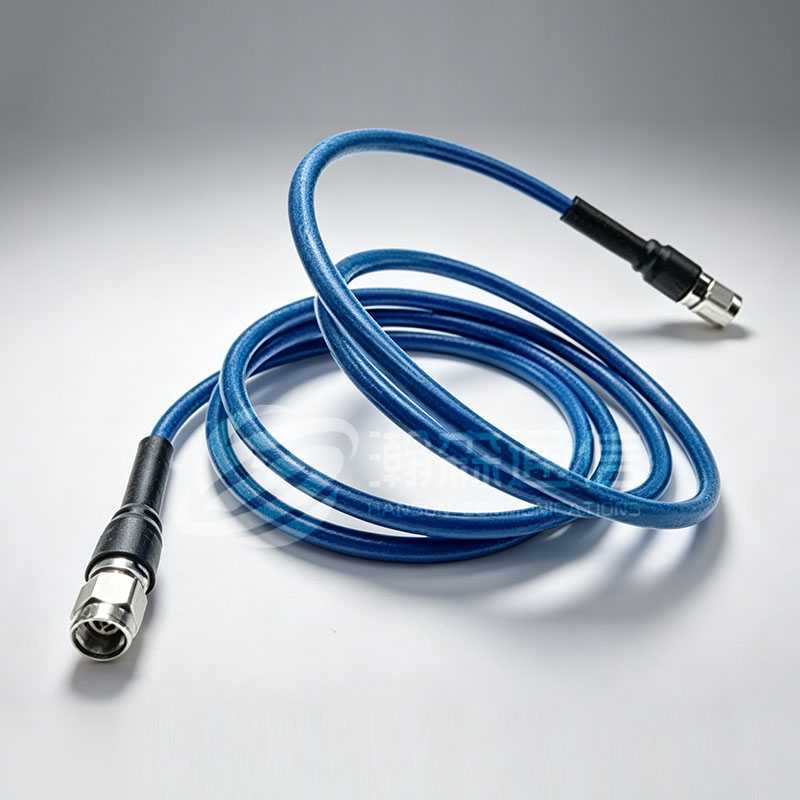
RF coaxial connectors play a critical role in modern communication systems, enabling reliable transmission of high-frequency signals with minimal loss. From wireless networks to broadcasting equipment, these connectors are essential components in RF applications where signal integrity is a top priority.
Content
What Is an RF Coaxial Connector?
Short Answer: It is a specialized connector designed to join coaxial cables and maintain consistent impedance for high-frequency signal transfer.
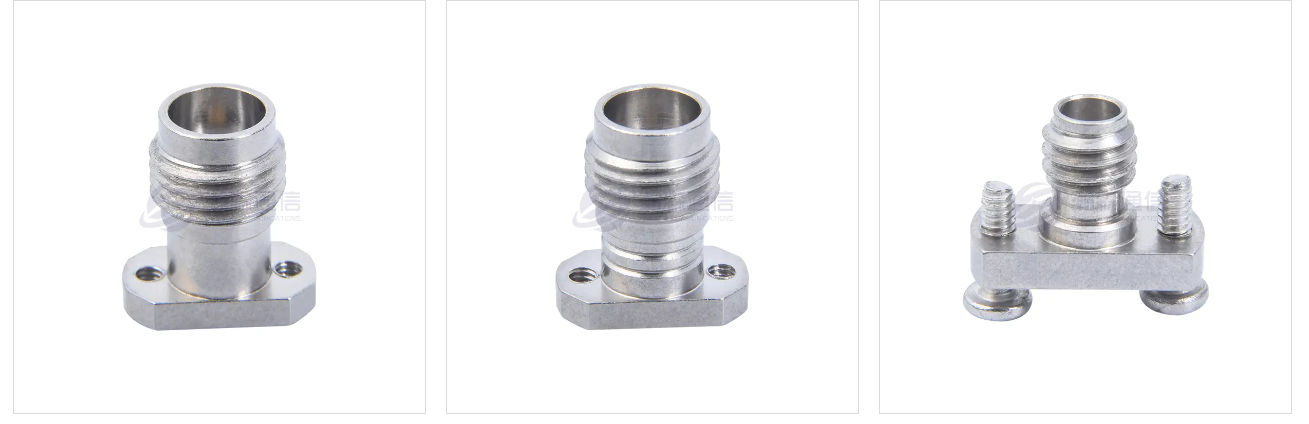
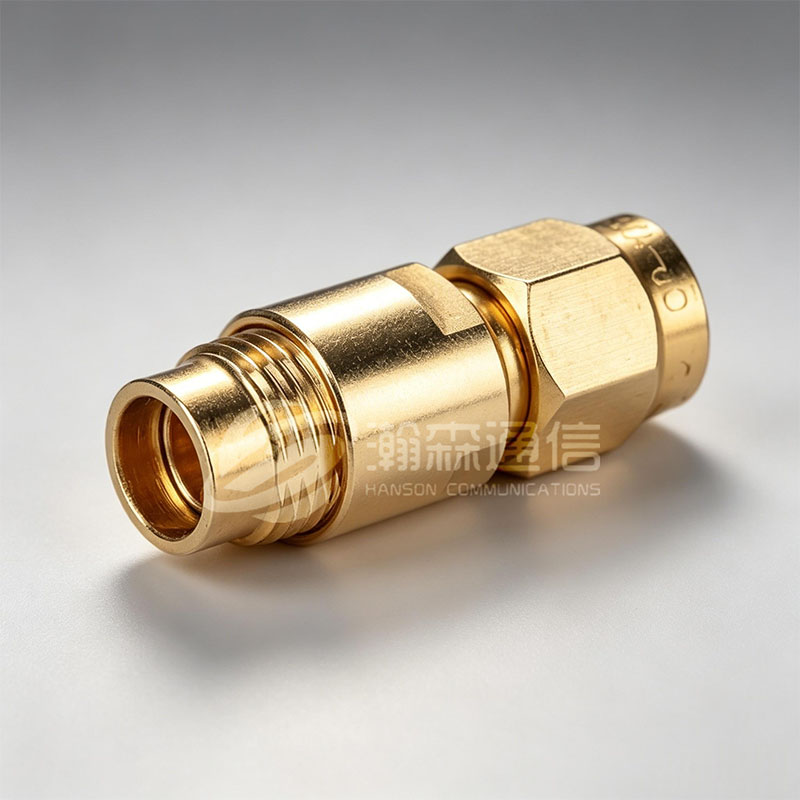
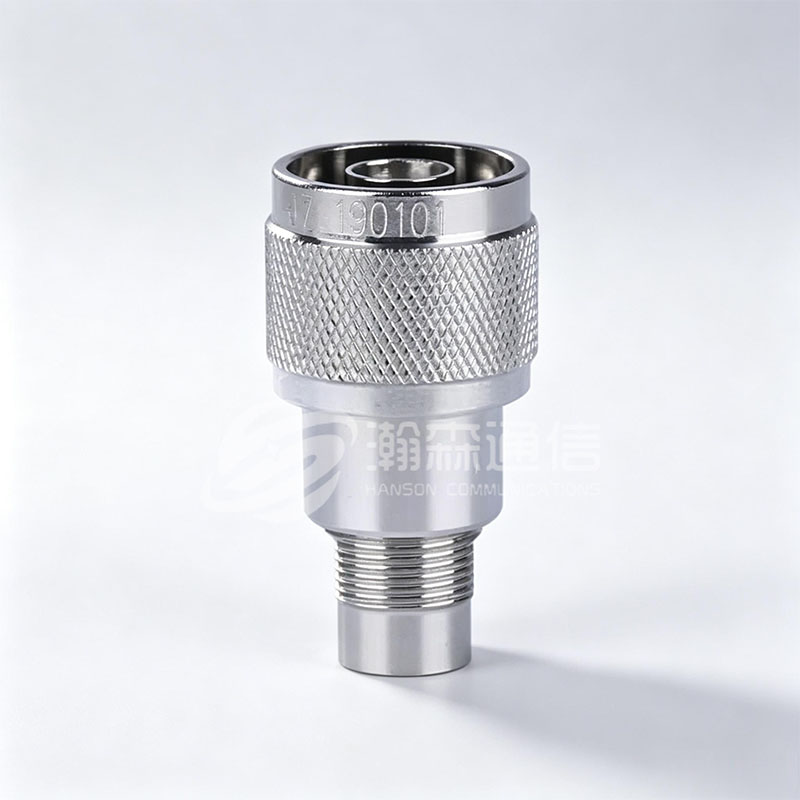
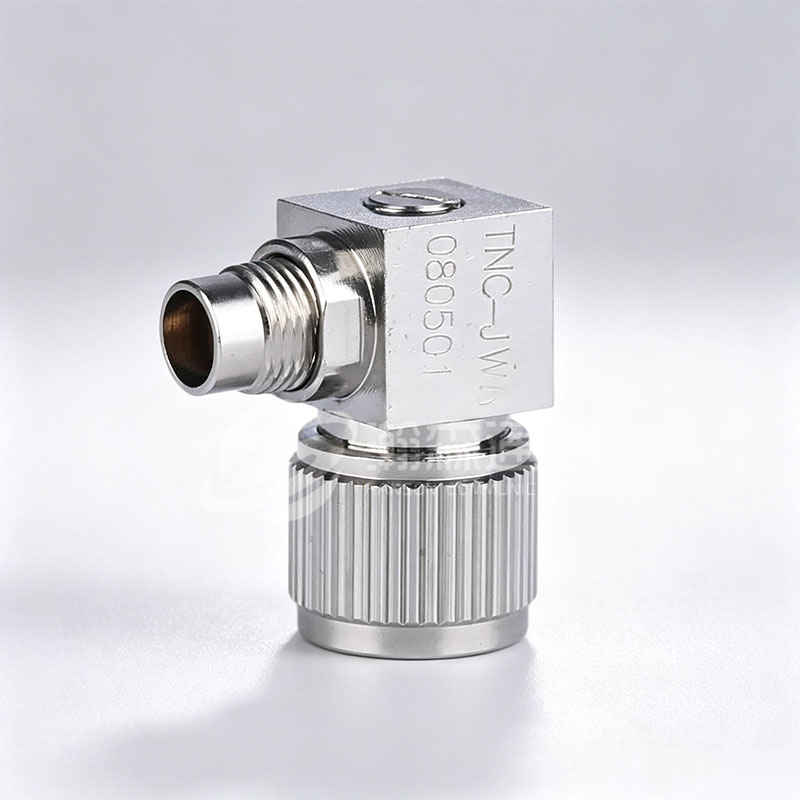
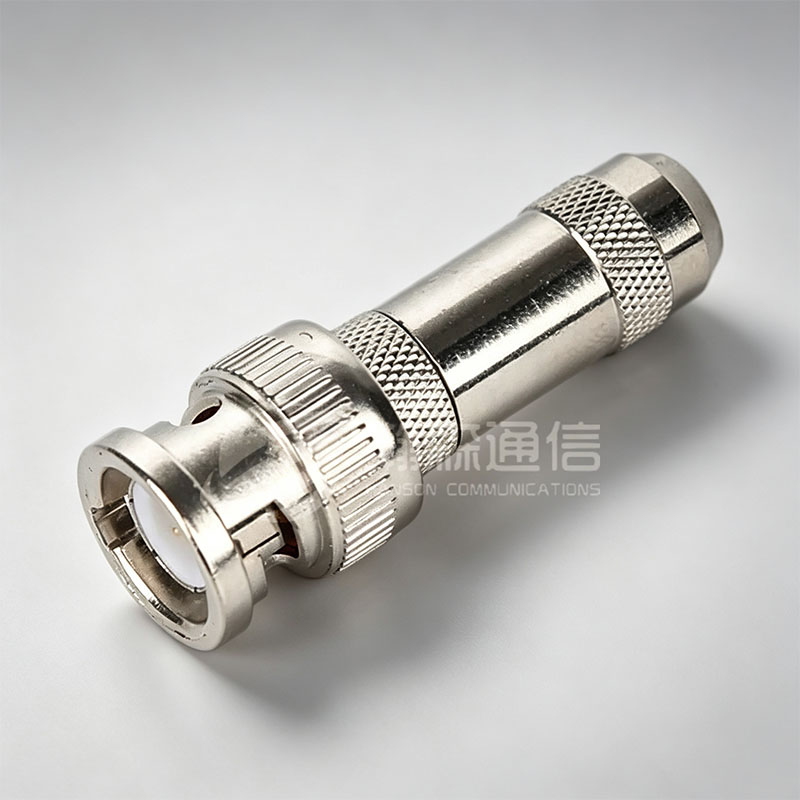
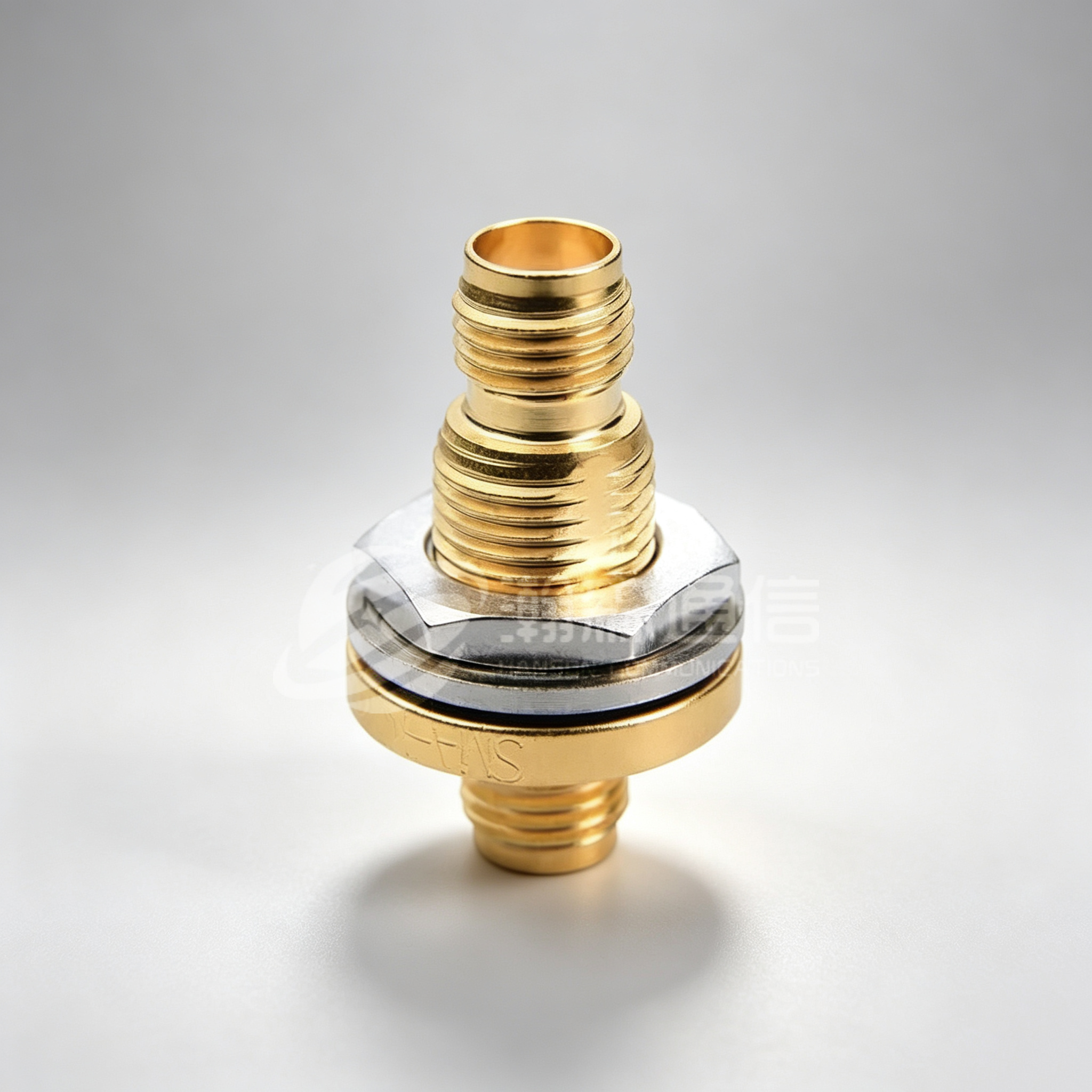
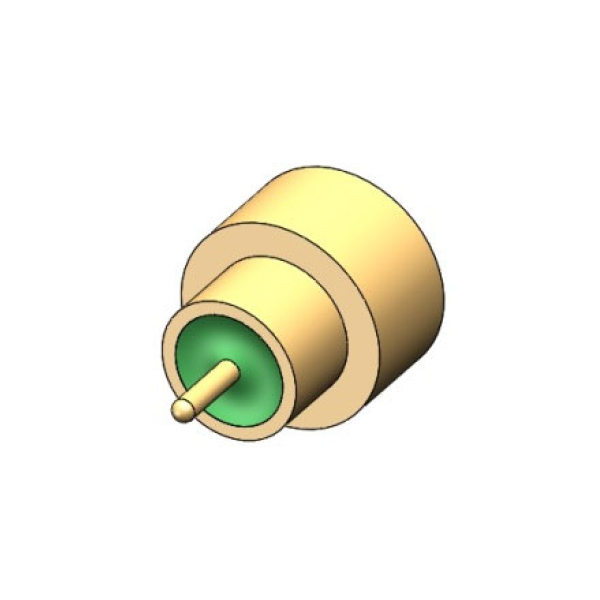
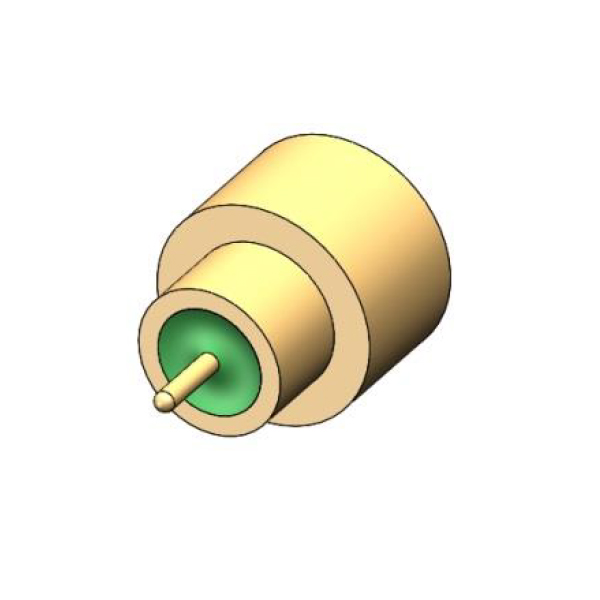
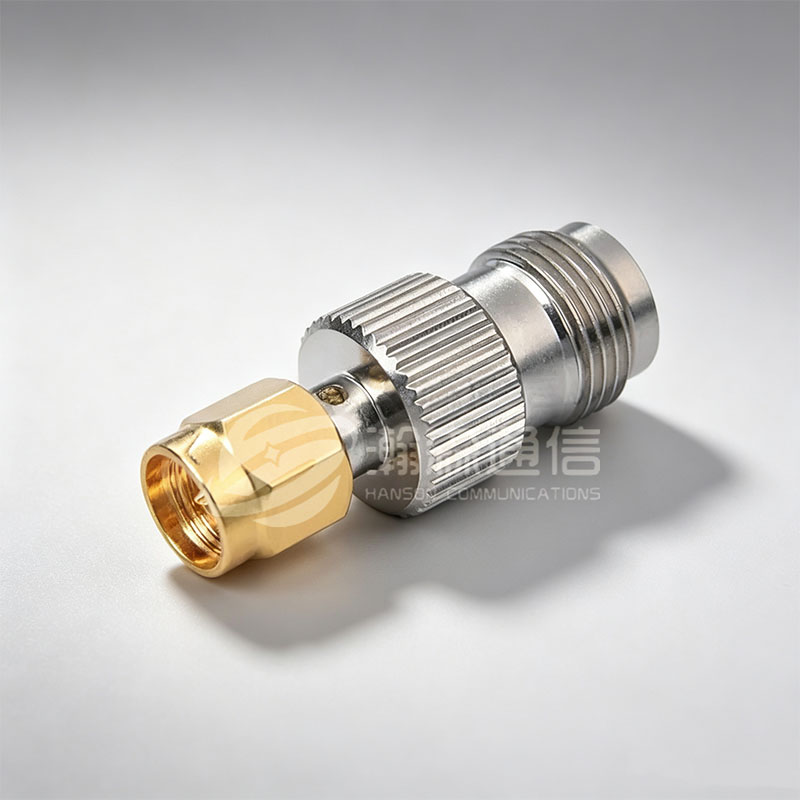
An RF coaxial connector features a central conductor, insulating layer, metallic shielding, and outer shell. This structure reduces electromagnetic interference and preserves signal quality. These connectors are widely used in antennas, routers, testing equipment, and radio frequency modules.
Why Are RF Coaxial Connectors Important for Signal Quality?
Short Answer: They minimize signal loss, reduce interference, and ensure stable transmission across high-frequency ranges.
High-frequency signals are sensitive to impedance mismatch and external noise. RF coaxial connectors are engineered to maintain consistent electrical characteristics, helping systems achieve lower insertion loss and better return loss performance. This results in improved data reliability and clearer signal transmission.
- Improves signal stability
- Reduces electromagnetic interference
- Supports high-frequency applications
- Enhances long-term system reliability
Where Are RF Coaxial Connectors Commonly Used?
Short Answer: They are widely applied in telecommunications, broadcasting, aerospace, testing equipment, and wireless infrastructure.
As wireless technology expands, the demand for stable RF connections continues to grow. These connectors ensure efficient signal transmission in base stations, satellite systems, laboratory instruments, and radar equipment. Their versatility makes them indispensable in both commercial and industrial environments.
How Do RF Coaxial Connectors Compare to Standard Connectors?
Short Answer: They offer superior performance at high frequencies and better shielding against interference.
Unlike standard electrical connectors, RF coaxial connectors are designed to handle precise impedance control and high-frequency operation. This ensures consistent performance even under demanding conditions such as vibration, temperature changes, and continuous signal transmission.
The following colorful bar chart compares performance characteristics of different connector types:
How Do You Choose the Right RF Coaxial Connector?
Short Answer: Consider frequency range, impedance requirements, environmental conditions, and installation method.
Selecting the correct RF coaxial connector depends on the specific application. Factors such as operating frequency, cable type, temperature resistance, and mechanical durability should be evaluated. Proper selection ensures optimal system performance and extended service life.
FAQ: RF Coaxial Connector
Q1: Can RF coaxial connectors be reused?
Answer: Some types can be reused if properly handled, but performance should always be tested.
Answer: Some types can be reused if properly handled, but performance should always be tested.
Q2: Do RF coaxial connectors support outdoor applications?
Answer: Yes, weather-resistant designs are available for outdoor and harsh environments.
Answer: Yes, weather-resistant designs are available for outdoor and harsh environments.
Q3: How long do RF coaxial connectors typically last?
Answer: With proper installation and maintenance, they can operate reliably for many years.
Answer: With proper installation and maintenance, they can operate reliably for many years.
RF coaxial connectors remain a core component in modern communication systems, offering stability, durability, and high-performance signal transmission for demanding RF applications.
Looking For Business Opportunity?
Request for a call today
-

+86-15715730755
-

-

No. 1, Longcao Road, Dongqian Lake Tourism Resort Industrial Zone, Yinzhou District, Ningbo City, Zhejiang, China.
Message
Copyright © Ningbo Hanson Communication Technology Co., Ltd.
