


 English
 русский
Industry News

What are RF cable assemblies? What are their functions?
 2025.12.02
 Industry News
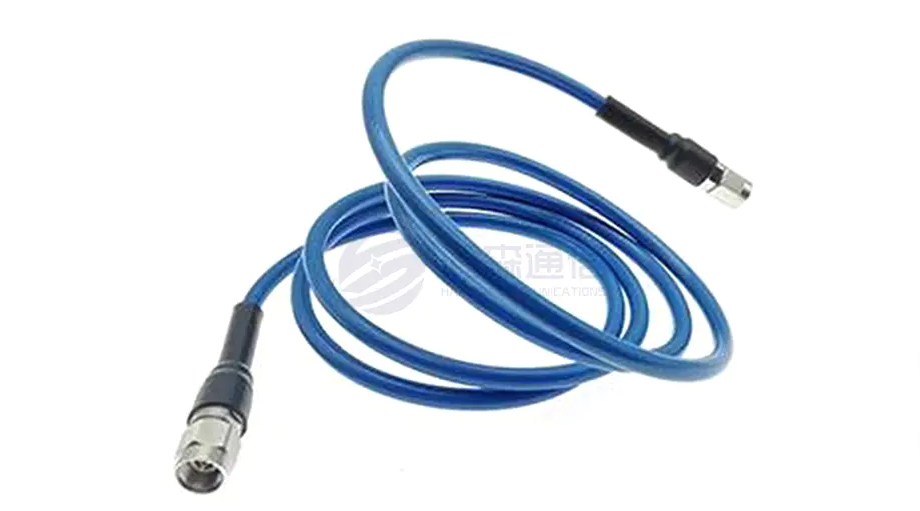
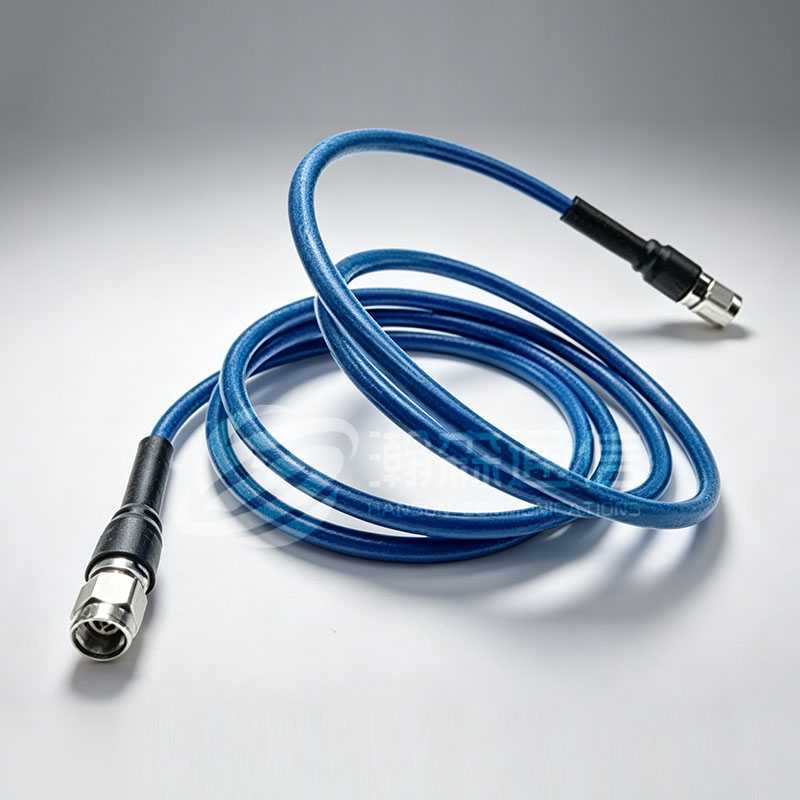
RF cable assemblies are key electrical components used for radio frequency (RF) signal transmission. They consist of RF cables, connectors, and other auxiliary components, and are widely used in various high-frequency signal transmission systems, such as communications, radar, satellite, broadcasting, and wireless networks. RF cable assemblies not only ensure stable signal transmission but also guarantee efficient operation in complex environments.
1. Definition of RF Cable Assemblies
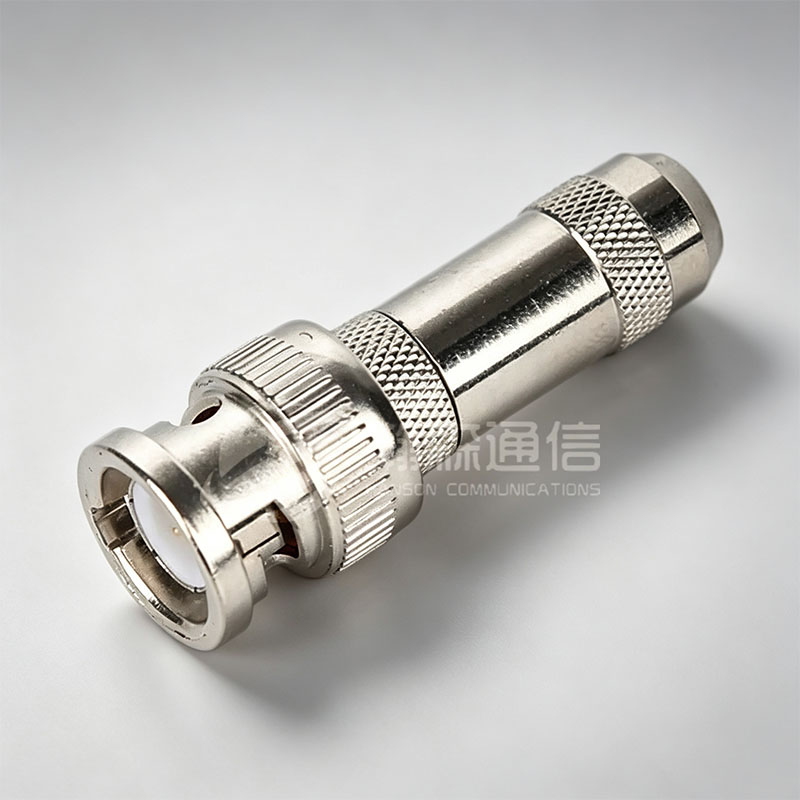
RF cable assemblies are modular components composed of RF cables, connectors, adapters, and other parts. RF cables are primarily used to transmit high-frequency signals (typically referring to signals in the frequency range of tens of MHz to several GHz). The core function of RF cable assemblies is to minimize signal loss and interference, maintaining signal quality and integrity during transmission from one point to another.
In RF cable assemblies, the quality of the RF cable is paramount. Common RF cables include coaxial cables and microstrip cables, while connectors ensure a tight connection between the cable and the equipment.
2. Main Functions of RF Cable Assemblies
RF cable assemblies, as a key component of signal transmission systems, play several important roles, mainly including the following:
(1) Efficient Signal Transmission
The primary function of RF cable assemblies is to ensure stable transmission of high-frequency signals. During transmission, RF signals may be affected by electromagnetic interference, signal attenuation, and other issues, especially in high-frequency, long-distance transmission. RF cable assemblies minimize signal loss and ensure signal clarity and integrity by using high-quality cable materials, low-attenuation conductors, and effective shielding measures.
(2) Reducing Signal Loss and Interference
RF signals may experience signal loss during transmission due to factors such as cable resistance and poor connector contact. RF cable assemblies effectively reduce signal attenuation and external electromagnetic interference by using suitable conductor materials (such as copper and silver), reinforced shielding layers, and grounding designs. High-quality RF cable assemblies ensure that signals remain at their original frequency and amplitude, reducing signal distortion and ensuring signal stability.
(3) Providing Reliable Connections
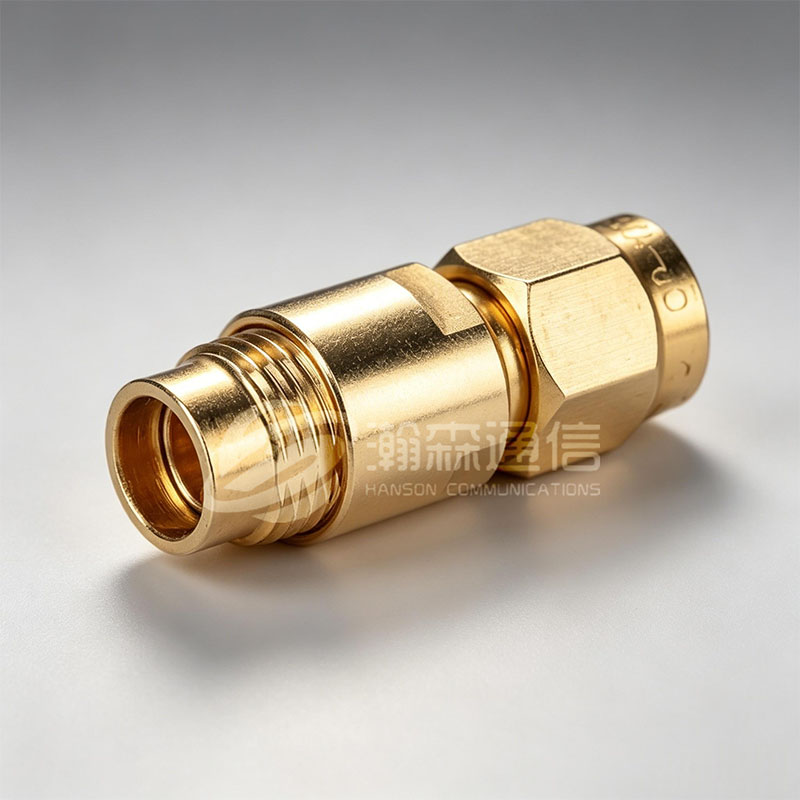
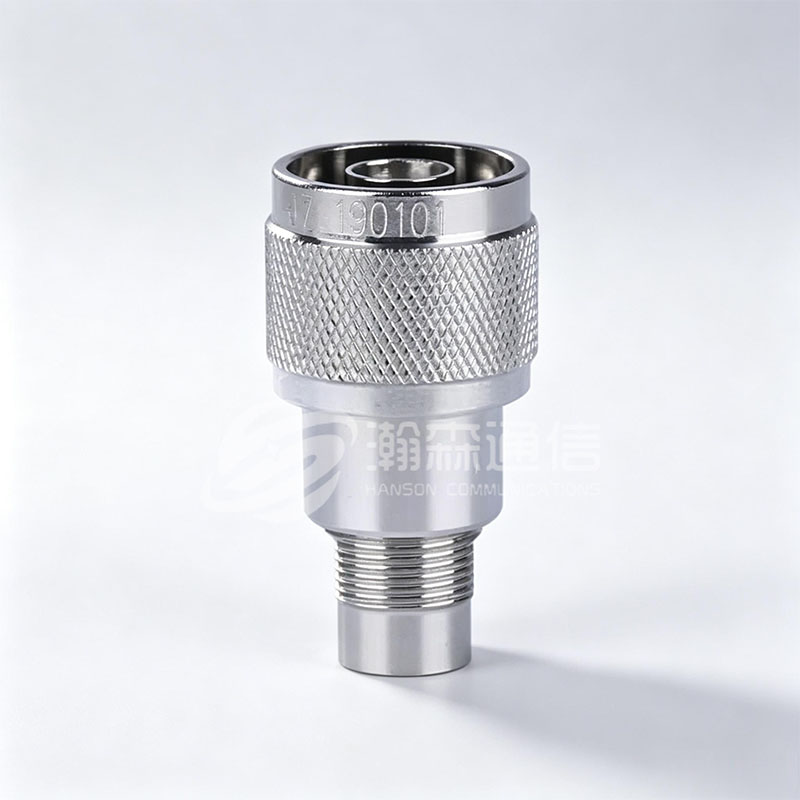
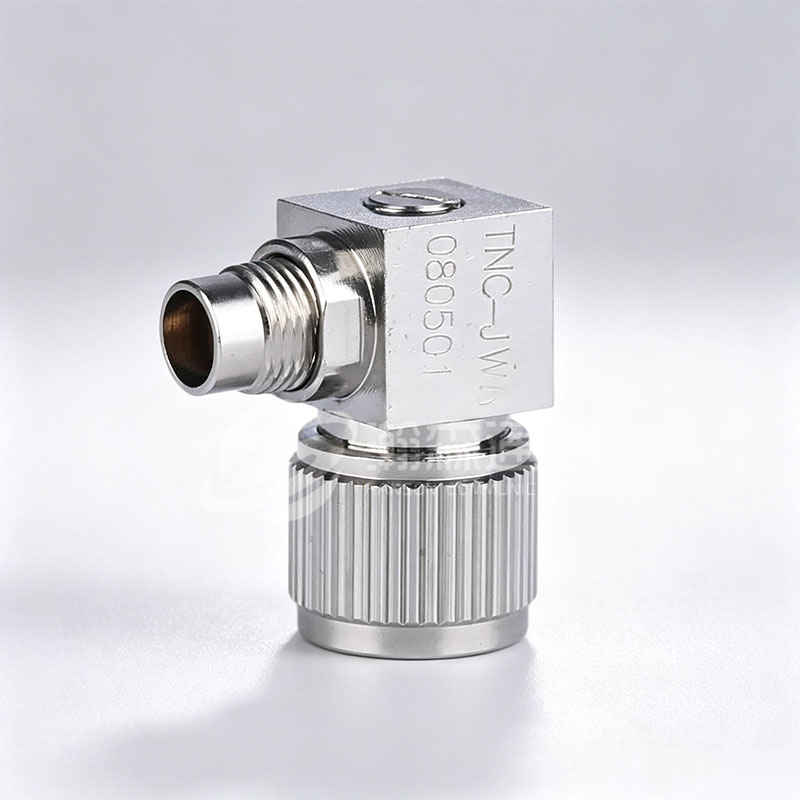
The connectors in RF cable assemblies ensure a secure connection between the cable and other devices, preventing signal interruption or loss due to poor contact or loose connections. In the design of RF cable assemblies, the selection of connectors is crucial. The materials and structure of the connectors must be able to withstand the transmission of high-frequency signals and ensure the quality of signal transmission.
(4) Adaptability to Various Working Environments
RF cable assemblies are typically used in various working environments, including indoor and outdoor environments, and extreme conditions such as high temperature, low temperature, and high humidity. Therefore, RF cable assemblies must possess excellent weather resistance, corrosion resistance, and shock resistance to ensure stable signal transmission performance even in harsh environments.
3. Application Areas of RF Cable Assemblies
RF cable assemblies are widely used in various high-frequency communication and signal transmission fields, covering a wide range of industries from military to civilian. The following are the main application areas of RF cable assemblies:
(1) Communication Industry
RF cable assemblies are widely used in wireless communication, mobile communication, and satellite communication. Whether it's cellular networks, 4G/5G networks, or satellite signal transmission, RF cable assemblies play a vital role. RF cable assemblies ensure stable signal transmission between base stations and equipment, ensuring uninterrupted communication networks.
(2) Radar and Satellite Systems
In radar and satellite communication systems, RF cable assemblies are responsible for transmitting high-frequency radar or satellite signals, ensuring accurate information transmission. Especially in military, aviation, and aerospace fields, the stability and reliability of RF cable assemblies are crucial; any signal attenuation or interference can lead to mission failure.
(3) Medical Equipment
RF cable assemblies are also widely used in medical equipment, particularly in medical imaging equipment and magnetic resonance imaging (MRI) systems. RF cable assemblies are used to transmit signals and ensure data accuracy. The medical field has extremely high requirements for signal accuracy, necessitating RF cable assemblies with high stability and low loss characteristics to ensure the normal operation of the equipment.
RF cable assemblies play a vital role in modern communications, radar, satellite, broadcasting, medical, and testing fields. Through efficient signal transmission, reduced signal loss and interference, reliable connections, and adaptability to various complex environments, they provide strong support for the stable operation of various devices and systems. With the continuous development of high-frequency communication technology, the application prospects of RF cable assemblies will become even broader. Their continuous technological innovation and upgrading will undoubtedly lead more industries towards a more efficient and intelligent future.
If you have any questions or needs regarding RF cable assemblies, or wish to learn more about our products and technical support, please contact a professional RF component supplier to select high-quality RF cable assemblies suitable for your application scenarios, ensuring the stability and efficiency of your equipment and systems.
Looking For Business Opportunity?
Request for a call today
-

+86-15715730755
-

-

No. 1, Longcao Road, Dongqian Lake Tourism Resort Industrial Zone, Yinzhou District, Ningbo City, Zhejiang, China.
Message
Copyright © Ningbo Hanson Communication Technology Co., Ltd.
