


 English
 русский
Industry News

How to Install N Type RF Coaxial Connector Correctly: 5 Tips for 2026
 2026.04.23
 Industry News
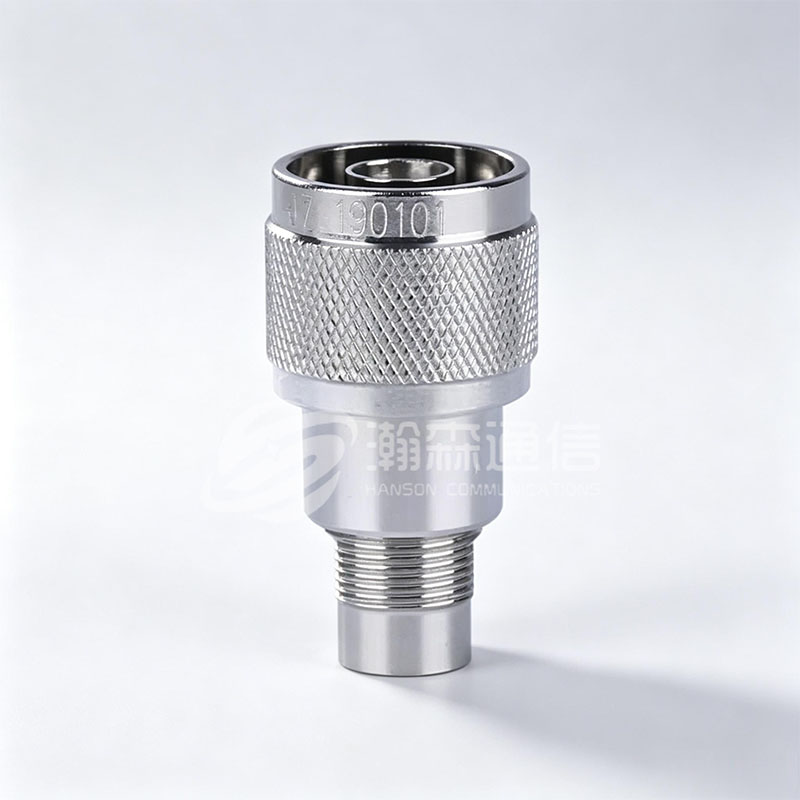
Installing an N Type RF Coaxial Connector correctly is not complicated — but doing it wrong consistently causes signal loss, impedance mismatches, and premature connector failure. The five tips that make the biggest difference are: use the correct stripping dimensions for your specific cable, clean all mating surfaces before assembly, torque to the manufacturer's specification (typically 1.36 N·m / 12 in-lb for standard N type), inspect the center pin alignment before mating, and apply appropriate weatherproofing for outdoor installations. Follow these and you will achieve the connector's rated performance — typically 0 to 11 GHz operation with VSWR below 1.3:1 — reliably across thousands of mating cycles.
This article covers each of these steps in detail, explains the underlying reasons, and provides practical guidance for choosing the right connector type for your application — whether you are working on a communication base station, antenna system, test bench, or outdoor RF installation.
Content
- 1 Why the N Type RF Coaxial Connector Remains the Standard for RF Work Above 1 GHz
- 2 Tip 1 — Precise Cable Stripping: The Foundation of a Good N Type Connection
- 3 Tip 2 — Soldering vs. Crimp vs. Clamp: Choosing the Right Termination Method
- 4 Tip 3 — Torque to Specification: Why Hand-Tight Is Never Enough
- 5 Tip 4 — Center Pin Alignment and Inspection Before Mating
- 6 Tip 5 — Weatherproofing: Getting Waterproof N Type Connector Performance in Outdoor Installations
- 7 N Type RF Adapter Selection: Maintaining Signal Integrity Across System Interfaces
- 8 High Frequency Coax Connector Performance: What the Numbers Actually Mean
- 9 About Ningbo Hanson Communication Technology Co., Ltd.
- 10 Frequently Asked Questions
Why the N Type RF Coaxial Connector Remains the Standard for RF Work Above 1 GHz
First developed in the late 1940s, the N type connector has proven itself across decades of demanding RF applications. It is the connector of choice for frequencies from DC to 11 GHz (with precision versions rated to 18 GHz), offering a robust threaded coupling mechanism, reliable 50-ohm impedance, and excellent power handling capacity of up to 300 watts at 1 GHz.
Compared to smaller connectors like SMA or BNC, the N type provides superior performance in environments where vibration, mechanical stress, and weather exposure are concerns. Its larger physical size gives it inherently better power handling and makes it less susceptible to installation errors that damage small center conductors. For outdoor antenna work, cellular infrastructure, and high-power test setups, the N Type RF Coaxial Connector remains the practical optimum.
| Connector Type | Freq. Range | Max Power (1 GHz) | Coupling | Typical Use |
|---|---|---|---|---|
| N Type | DC–11 GHz | 300 W | Threaded | Antenna, base station, outdoor |
| SMA | DC–18 GHz | 100 W | Threaded | PCB, microwave, compact RF |
| BNC | DC–4 GHz | 80 W | Bayonet | Video, instrumentation |
| TNC | DC–11 GHz | 100 W | Threaded | Mobile, vibration-heavy |
Tip 1 — Precise Cable Stripping: The Foundation of a Good N Type Connection
The single most common cause of a poorly performing N type installation is incorrect cable preparation. Each dimension in the stripping sequence — outer jacket, braid, dielectric, and center conductor — must match the specific connector's mechanical requirements. Deviating by even 0.5 mm from the specified dimension can result in impedance discontinuities, braid strands shorting to the center conductor, or insufficient center pin retention.
Standard Stripping Sequence for RG-8 / LMR-400 Class Cable
- Outer jacket: Strip back approximately 20–22 mm. Use a rotary cable stripper rather than a blade to avoid nicking the braid.
- Braid: Fold the exposed braid back over the outer jacket, or trim to approximately 8–10 mm depending on connector style (clamp vs. crimp).
- Dielectric: Strip back approximately 9–10 mm. The cut must be clean and perpendicular — a diagonal cut creates air gaps that degrade impedance matching.
- Center conductor: Leave exposed approximately 3–4 mm for soldered connectors; 5–6 mm for crimp-pin connectors. Deburr the end of the conductor.
Always verify dimensions against the specific connector's datasheet. Different connector manufacturers and cable types have slightly different requirements. Using a dedicated cable preparation tool calibrated for your connector family eliminates guesswork and dramatically reduces installation time on high-volume jobs.
Tip 2 — Soldering vs. Crimp vs. Clamp: Choosing the Right Termination Method
N type connectors are available in three primary termination styles. Each has distinct advantages, and choosing correctly for your application avoids costly rework.
Solder Type
Provides the most reliable electrical connection when done correctly. Use 60/40 or 63/37 tin-lead solder at 350–380°C. Apply heat to the connector body, not directly to the conductor, and allow solder to flow into the joint by capillary action. Avoid cold joints — a dull or granular solder surface indicates incomplete bonding. Solder type connectors are preferred for laboratory, aerospace, and low-volume precision applications.
Crimp Type
The standard for production and field installation. A calibrated hex crimp tool compresses the connector ferrule mechanically onto the cable braid. Crimp connections are faster, more repeatable, and require no heat, making them suitable for field technicians and high-volume assembly. The critical requirement is using the correct crimp die size — typically 0.429" for RG-8 class cable with N type connectors.
Clamp Type
Uses a mechanical clamp nut that compresses a split washer around the cable braid. Field-repairable without specialized tools, making it common on large-diameter cables and in installations where on-site repair capability is required. Performance is slightly more variable than crimp but adequate for most base station and antenna applications below 6 GHz.
Tip 3 — Torque to Specification: Why Hand-Tight Is Never Enough
The threaded coupling on an N type connector serves a dual purpose: it maintains mechanical connection under vibration and ensures consistent electrical contact between the outer conductor mating surfaces. Under-torquing leaves an air gap at the outer conductor interface that degrades return loss, particularly above 3 GHz. Over-torquing deforms the threads and can damage the female connector body.
The standard torque specification for N type connectors is 1.36 N·m (12 in-lb). Always use a calibrated torque wrench. In outdoor or vibration-prone installations, a thread-locking compound rated for RF connectors (not standard Loctite grades, which can migrate into the connector and degrade performance) provides additional security without over-torquing.
Return Loss (dB) at 3 GHz vs. Coupling Torque Applied
Hand-tight only (~0.3 N·m)
~14 dB
Half torque (~0.7 N·m)
~24 dB
Specified (1.36 N·m)
≥34 dB (spec)
Over-torqued (>2.0 N·m)
~20 dB (degraded)
Illustrative data based on standard N type connector torque-performance relationships.
Tip 4 — Center Pin Alignment and Inspection Before Mating
A bent or off-center pin is the most common cause of connector damage during mating. Unlike SMA connectors, the N type's larger center conductor gives some visual margin for inspection — but this also means technicians sometimes proceed without looking. The 10 seconds spent visually inspecting both male and female connectors before mating prevents the far greater time lost replacing damaged connectors.
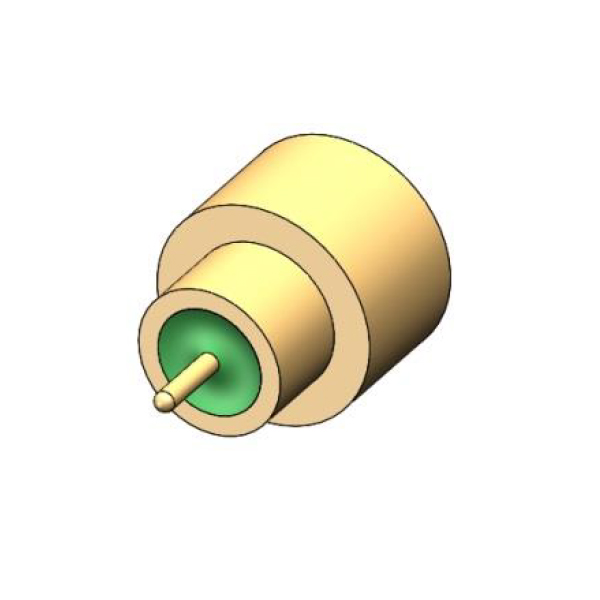
- Check the male pin: It should be centered within the dielectric and not visibly bent relative to the connector axis. Any lateral offset of more than approximately 0.1 mm indicates a problem.
- Check the female socket: The contact fingers should be evenly spaced and undamaged. A collapsed or missing finger means the connector must be replaced before mating.
- Check the mating face: Both connector faces should be clean and free from debris, oxidation, or contamination. Even a small amount of particulate contamination at the outer conductor mating surface can cause measurable return loss degradation.
- Use a connector gauge: For precision applications or test bench work, a go/no-go gauge verifies the center conductor protrusion and dielectric setback are within tolerance.
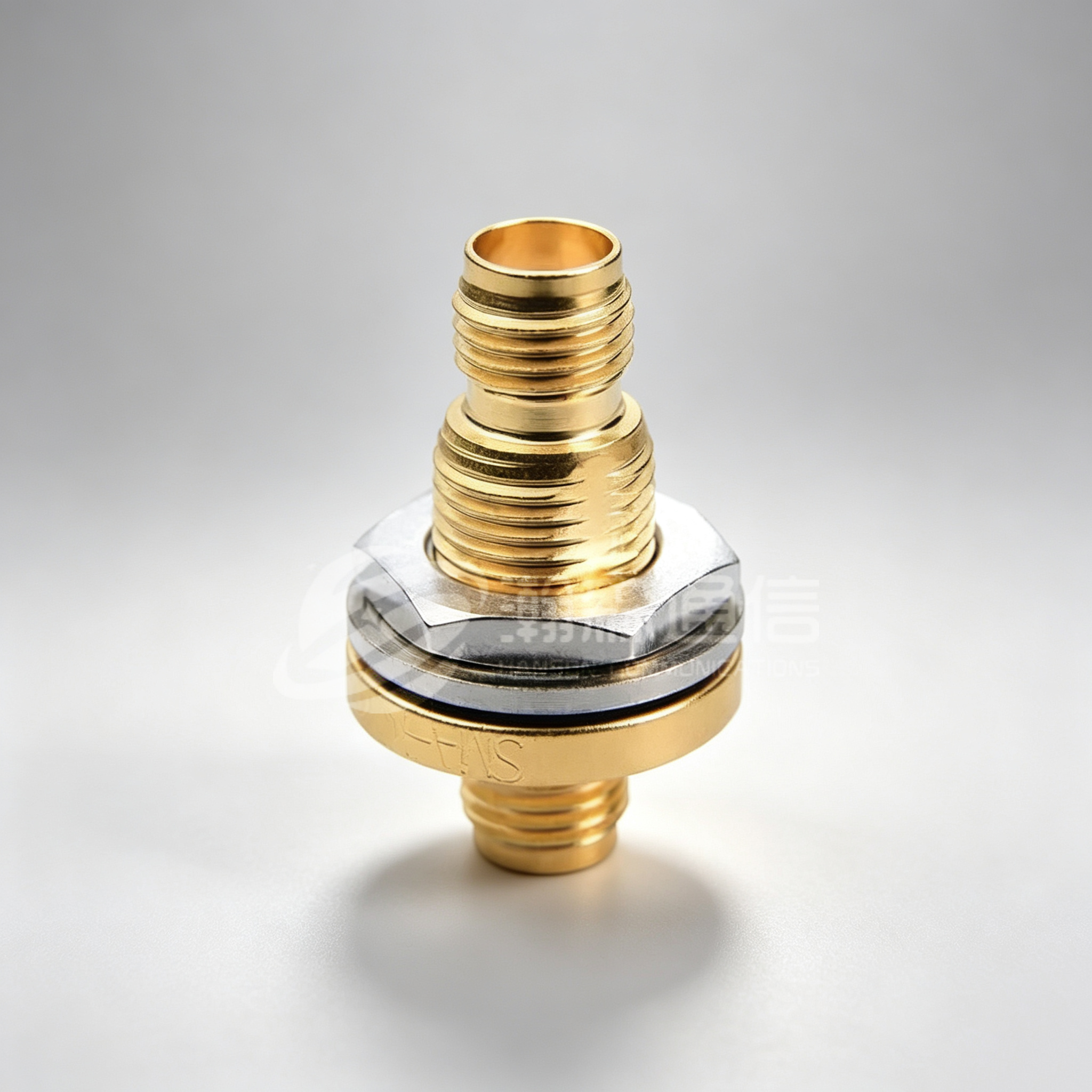
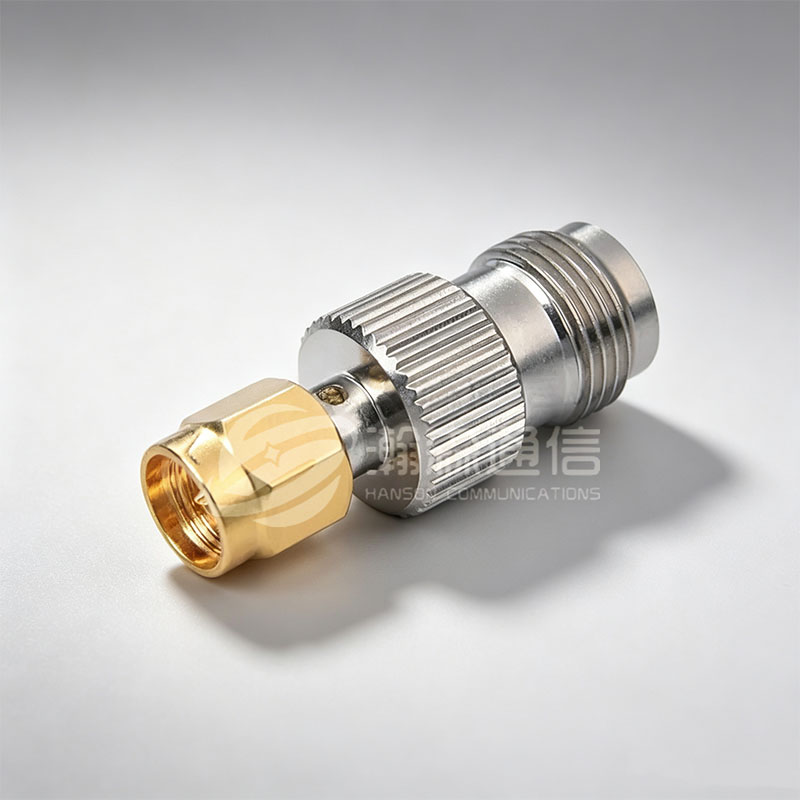
When using an N Type RF Adapter to convert between connector types or genders, apply the same inspection discipline to both ends. Adapter quality directly impacts the overall system performance — a low-quality adapter can introduce more VSWR than a properly installed direct connector.
Tip 5 — Weatherproofing: Getting Waterproof N Type Connector Performance in Outdoor Installations
Outdoor RF installations face a specific failure mode that indoor bench work does not: moisture ingress at the connector interface. Water entering the connector through capillary action causes oxidation of the mating surfaces, dramatically increasing contact resistance and degrading both insertion loss and return loss. In cold climates, water intrusion and freeze-thaw cycling can physically split the connector housing.
A proper Waterproof N Type Connector installation for outdoor use follows this sequence:
- Mate and torque the connector to specification.
- Apply self-amalgamating tape (also called self-fusing or silicone tape) starting at least 50 mm below the connector body on the cable, wrapping upward past the connector coupling nut in overlapping 50% laps, extending at least 50 mm above the top of the connector.
- Apply a second layer of UV-resistant PVC tape over the self-amalgamating tape to protect it from UV degradation and mechanical abrasion.
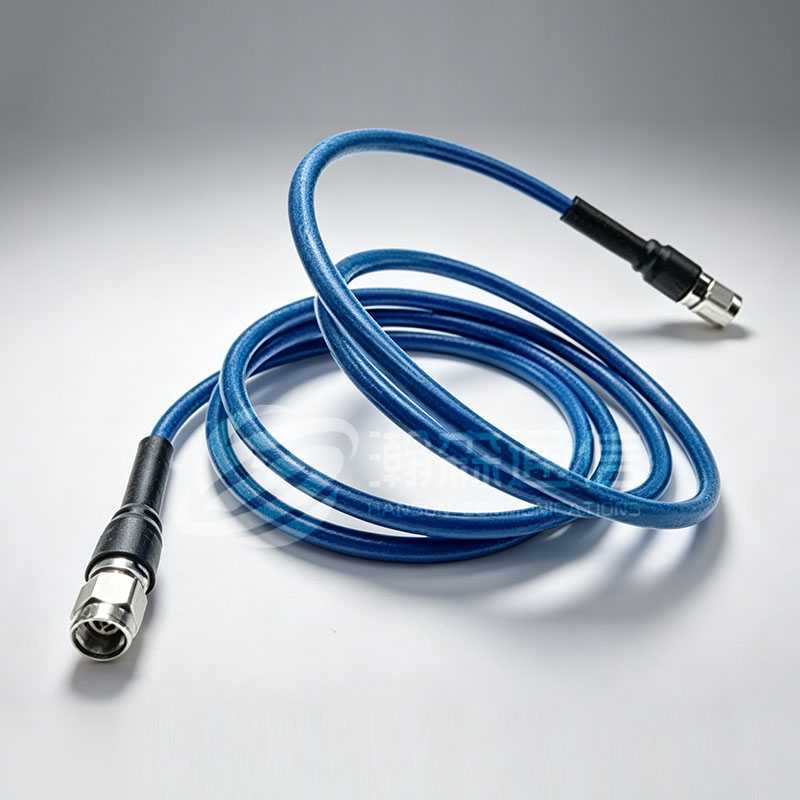
- For tower and rooftop installations, route the cable with a drip loop — a downward curve in the cable immediately before the connector so that water runs away from, rather than toward, the connector body.
Where possible, choose connectors with factory-applied weatherproofing features such as silicone O-ring seals at the cable entry point and captive gaskets at the mating interface. These provide intrinsic protection that tape cannot fully replicate, particularly in continuously wet environments like tropical climates or coastal installations.
N Type RF Adapter Selection: Maintaining Signal Integrity Across System Interfaces
Every N Type RF Adapter in a signal path introduces a small insertion loss and a potential impedance discontinuity. In low-frequency systems below 1 GHz, this is rarely significant. In systems operating above 3 GHz, adapter quality and quantity become critical system-level considerations.
Common N Type Adapter Configurations
- N Male to N Female (barrel): Used to extend cable runs or change orientation. Insertion loss is typically less than 0.1 dB at 6 GHz for a quality adapter.
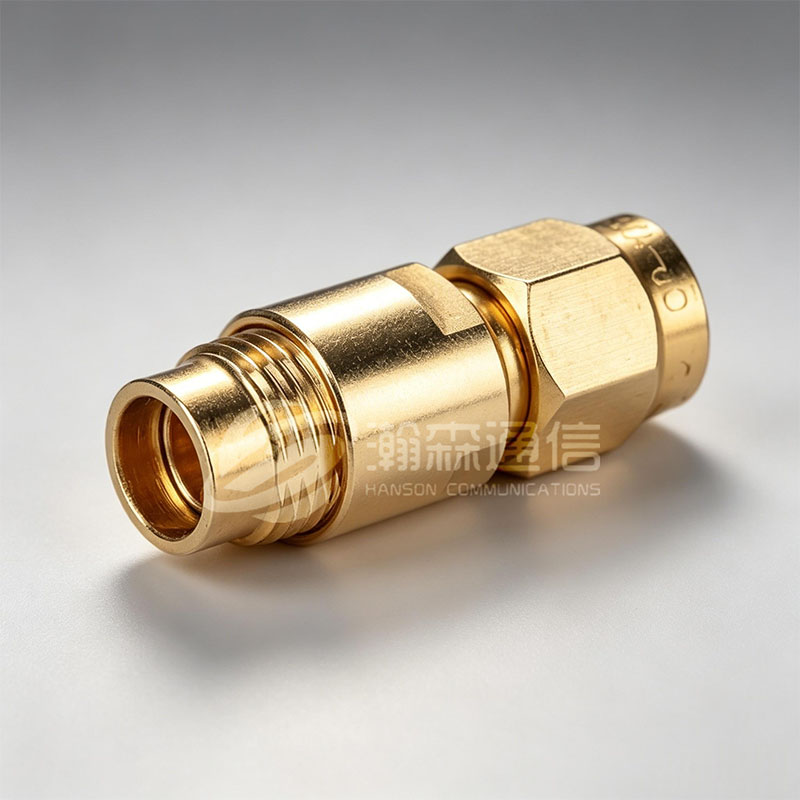
- N to SMA adapters: The most common cross-type adapter for connecting N type cable systems to SMA-equipped instruments, PCBs, and modules.
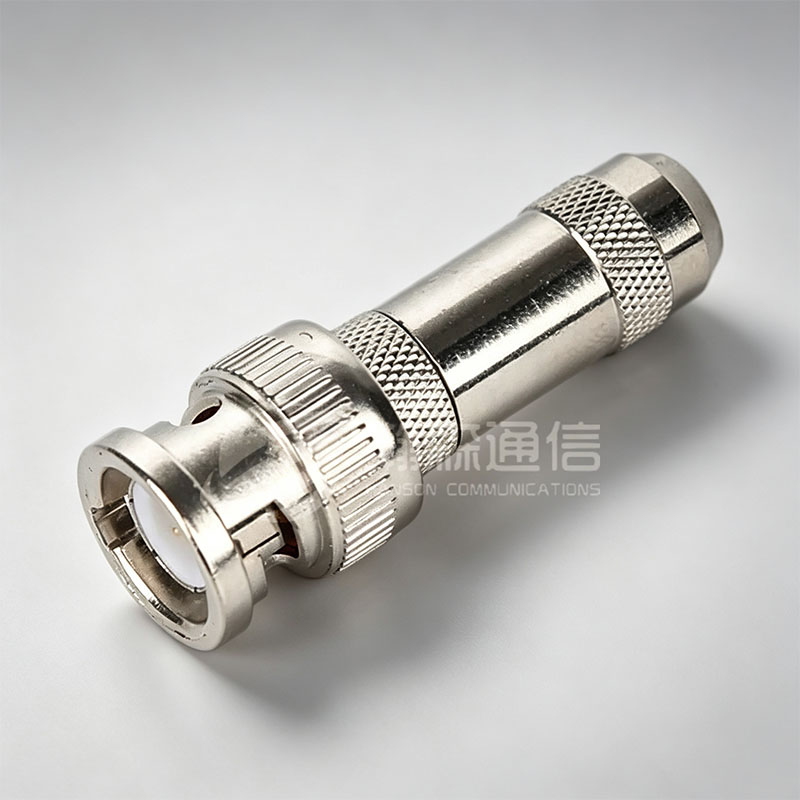
- N to BNC adapters: Used for connecting N type systems to instrumentation with BNC interfaces, typically in test and measurement environments.
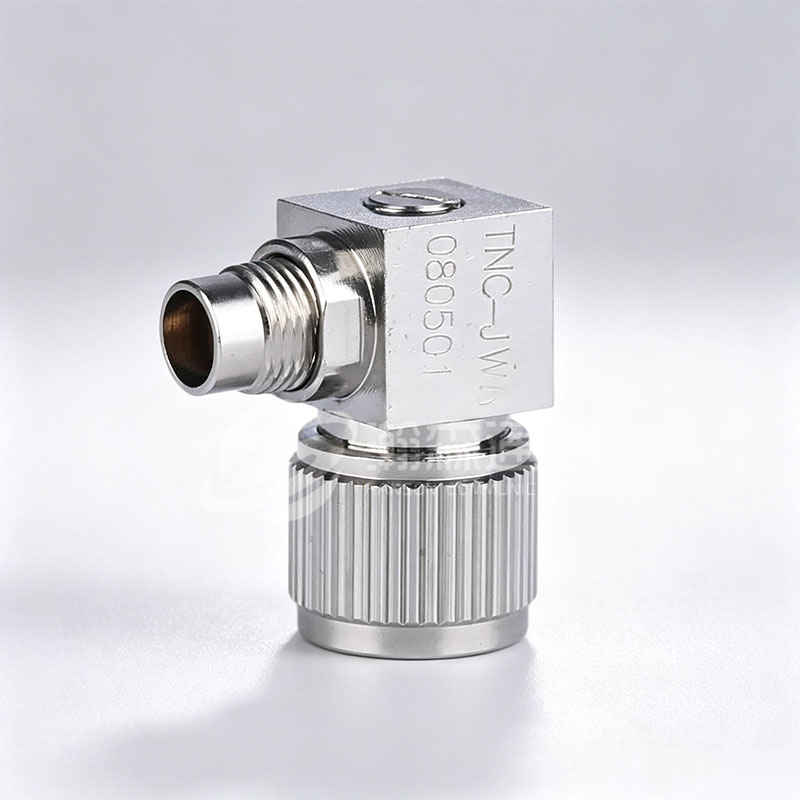
- N to TNC adapters: Common in mobile communication infrastructure where TNC connectors are used for vibration resistance on the equipment side.
For all adapter applications, specify VSWR ≤ 1.15:1 up to the operating frequency and verify insertion loss specifications match your link budget. Avoid adapters whose specifications are only stated at low frequencies (below 1 GHz) if your system operates above 3 GHz — these specifications do not extrapolate reliably.
High Frequency Coax Connector Performance: What the Numbers Actually Mean
Understanding the key performance parameters of a High Frequency Coax Connector allows you to evaluate datasheets critically and make meaningful comparisons between connector options.
| Parameter | Typical N Type Value | What It Means Practically |
|---|---|---|
| VSWR | ≤1.3:1 (to 11 GHz) | How much signal is reflected back toward the source; lower is better |
| Insertion Loss | ≤0.15 dB at 10 GHz | Signal power lost through the connector; matters in cascaded systems |
| Return Loss | ≥26 dB (to 6 GHz) | The dB expression of VSWR; higher is better (less reflection) |
| Impedance | 50 Ω ± 2 Ω | Must match the system characteristic impedance; mismatch causes reflections |
| Mating Cycles | ≥500 cycles | How many connections before performance degrades; matters for test setups |
| Operating Temp. | -65°C to +165°C | Determines suitability for outdoor, industrial, or aerospace environments |
Typical N Type Connector Insertion Loss vs. Frequency
0.20 dB 0.15 dB 0.08 dB 0.02 dB
1 GHz 2 GHz 3 GHz 5 GHz 7 GHz 9 GHz 11 GHz
Typical insertion loss curve for a quality N type connector. Actual performance varies by manufacturer and specific design.
About Ningbo Hanson Communication Technology Co., Ltd.
Ningbo Hanson Communication Technology Co., Ltd. is a China N Type RF Coaxial Connector supplier and custom N Type RF Coaxial Connector company. The company is a manufacturer specializing in the production, processing, and trade of communication components, with more than 30 years of experience in RF coaxial connectors, adapters, and cable assemblies.
Hanson has developed its own machining workshop, electroplating workshop, and assembly workshop, supported by a group of stable and reliable suppliers. The main products include RF coaxial connectors, adapters, high-frequency cable assemblies, and low intermodulation cable assemblies. The company also provides customization services to meet customers' special product requirements.
Products are widely used in aerospace, communication base stations, medical equipment, and other high-tech fields. Ningbo Hanson has joined the ISO 9001 international quality management system and continuously improves its management level to provide more satisfactory products and services to customers worldwide.
Frequently Asked Questions
Q1: What is the standard torque for mating an N Type RF Coaxial Connector?
The standard specified torque for N type connectors is 1.36 N·m (12 in-lb). Always use a calibrated torque wrench rather than estimating by feel. Under-torquing degrades return loss; over-torquing deforms threads and can damage the female connector. For outdoor installations subject to vibration, a suitable thread-locking compound provides additional security without exceeding the torque limit.
Q2: How do I make a Waterproof N Type Connector installation outdoors?
After torquing the connector to specification, apply self-amalgamating (self-fusing) silicone tape starting 50 mm below the connector on the cable, wrapping upward past the coupling nut to 50 mm above the connector top, using overlapping 50% laps. Apply a second layer of UV-resistant PVC tape for mechanical protection. Route the cable with a drip loop so water runs away from the connector. For maximum protection, use connectors with factory-fitted O-ring seals and captive gaskets.
Q3: Can an N Type RF Adapter affect system performance above 6 GHz?
Yes, significantly. Each adapter introduces insertion loss and a potential impedance discontinuity. At frequencies above 6 GHz, low-quality adapters can degrade system return loss by 6 dB or more and add measurable insertion loss. Specify adapters with VSWR ≤ 1.15:1 across your full operating frequency range, and verify that specifications are stated at the actual operating frequency — not just at low frequencies below 1 GHz.
Q4: What is the maximum operating frequency of a standard N Type RF Coaxial Connector?
Standard N type connectors are rated to 11 GHz. Precision N type connectors — which maintain tighter dimensional tolerances on the center conductor and dielectric geometry — are rated to 18 GHz. For applications requiring performance above 18 GHz, alternative connector families with smaller physical dimensions are required.
Q5: What is the difference between crimp and solder N type connectors?
Crimp connectors use a mechanical ferrule compressed by a calibrated crimp tool — they are faster, more repeatable, and preferred for field installation and production assembly. Solder connectors use a tin-lead solder joint — they provide a highly reliable electrical connection when executed correctly and are preferred for laboratory, aerospace, and precision applications. Both types, when properly installed, achieve equivalent electrical performance.
Q6: How many mating cycles can a High Frequency Coax Connector withstand?
Standard N type connectors are rated for a minimum of 500 mating cycles before performance specifications may degrade. In test and measurement environments where connectors are mated and demated frequently, inspect the center contact fingers and outer conductor mating surface every 100–200 cycles and replace connectors showing visible wear, deformation, or performance degradation confirmed by return loss measurement.
Looking For Business Opportunity?
Request for a call today
-

+86-15715730755
-

-

No. 1, Longcao Road, Dongqian Lake Tourism Resort Industrial Zone, Yinzhou District, Ningbo City, Zhejiang, China.
Message
Copyright © Ningbo Hanson Communication Technology Co., Ltd.
