


 English
 русский
Industry News
 Home / News / Industry News / Hermetically Sealed Connector vs Standard Connector: What’s The Difference?
 Hermetically Sealed Connector vs Standard Connector: What’s The Difference?
 2026.05.14
 Industry News
Quick Answer
A hermetically sealed connector creates an airtight, gas-impermeable barrier between its internal conductors and the external environment — typically using glass-to-metal or ceramic-to-metal sealing technology — whereas a standard connector relies only on mechanical contact and optional gaskets that allow trace gas or moisture permeation over time. Hermetic connectors are required wherever leakage rates below 1×10⁻⁹ cc/sec (helium) are mandatory: vacuum systems, aerospace electronics, implantable medical devices, military-grade RF systems, and high-pressure industrial instrumentation. Standard connectors are appropriate for general electronic interconnection in controlled, non-critical environments.
Content
- 1 What Makes a Connector Truly Hermetic?
- 2 Hermetic vs Standard Connector: A Direct Comparison
- 3 The Role of the RF Glass Sintered Sealed Insulator
- 4 Where Hermetically Sealed Connectors Are Non-Negotiable
- 5 RF Performance Characteristics of Hermetic Connectors
- 6 How to Select the Right Hermetic RF Connector for Your Application
- 7 About Ningbo Hanson — Hermetically Sealed RF Connectors with 30+ Years of Expertise
- 8 Frequently Asked Questions About Hermetically Sealed Connectors
What Makes a Connector Truly Hermetic?
The word "hermetic" derives from the ancient concept of an airtight seal — and in modern connector engineering, it has a precise technical meaning. A hermetically sealed connector must demonstrate measurable, quantified leak integrity, typically verified by helium mass spectrometry leak testing to MIL-STD-202 Method 112 or equivalent standards. A leak rate of 1×10⁻⁹ cc/sec of helium or better is the benchmark for true hermetic performance.
Standard connectors — even those with IP67 or IP68 dust and water ingress ratings — are not hermetic in this technical sense. IP ratings address liquid water and solid particle ingress at atmospheric pressure but do not guarantee gas-tight sealing at the molecular level. Over time, even well-sealed standard connectors allow trace moisture, oxygen, and corrosive gases to permeate their interfaces, which can be catastrophic in sensitive electronics or pressurized environments.
Glass-to-Metal Seal
The most common hermetic sealing method for RF connectors. Glass is fused directly to the metal shell and center pin at high temperature, creating a molecular bond that is impervious to gas and liquid at extreme pressures and temperatures.
Ceramic-to-Metal Seal
Used where glass would not provide sufficient dielectric or mechanical strength. Ceramic-to-metal bonds offer excellent stability at high frequencies and are common in microwave and millimeter-wave hermetic feedthrough applications.
Brazed Construction
The glass or ceramic insulator is brazed to the metallic housing using precisely matched thermal expansion coefficients. This prevents micro-cracking across wide temperature cycles from -65°C to +200°C or beyond.
Hermetic vs Standard Connector: A Direct Comparison
The differences between hermetically sealed connectors and standard connectors go far beyond a matter of sealing quality. They represent fundamentally different design philosophies, manufacturing processes, and performance guarantees. The table below captures the most decision-relevant parameters side by side.
| Parameter | Hermetic Connector | Standard Connector |
|---|---|---|
| Leak Rate | ≤1×10⁻⁹ cc/sec (He) | Not measured / not guaranteed |
| Sealing Method | Glass/ceramic-to-metal fusion | O-ring, gasket, potting |
| Moisture Resistance | Permanent, molecular-level | Degrades over time / cycles |
| Operating Temperature | -65°C to +200°C or higher | -40°C to +85°C (typical) |
| Pressure Rating | High vacuum to high pressure | Atmospheric / limited range |
| RF Performance (VSWR) | Engineered for high frequency | Varies; not optimized for vacuum |
| Typical Standards | MIL-STD-202, MIL-C-39012 | IEC 61169, IP67/68 |
| Typical Applications | Aerospace, vacuum, military, medical | Consumer, commercial electronics |
The Role of the RF Glass Sintered Sealed Insulator
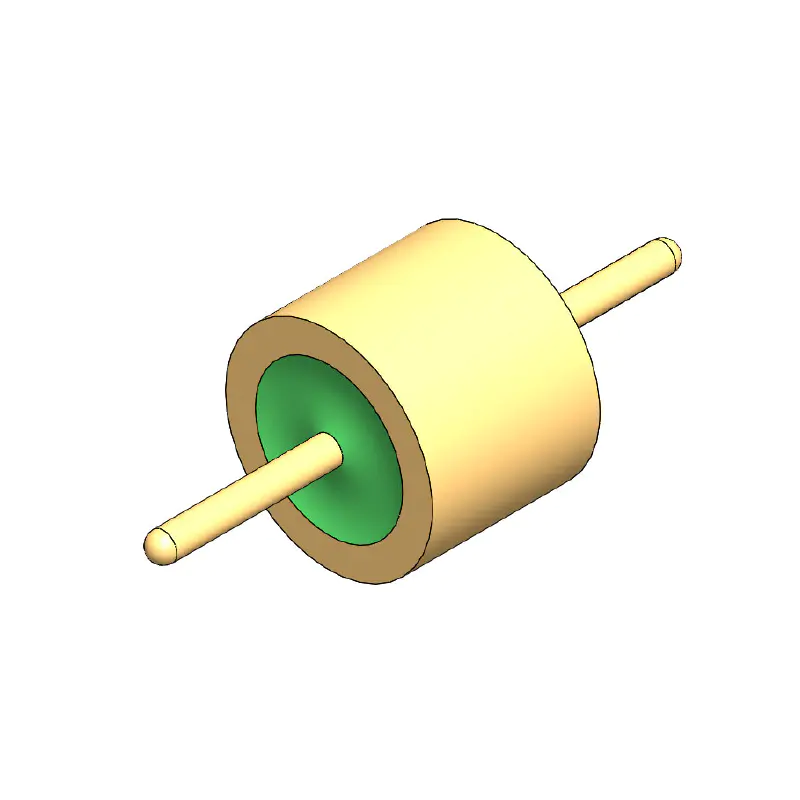
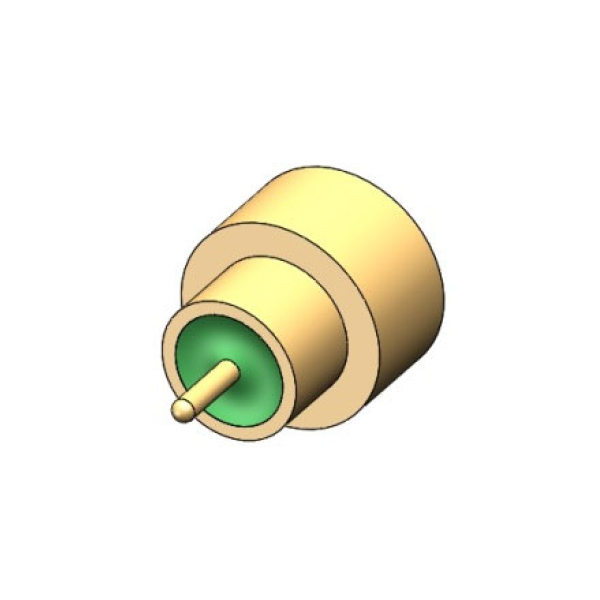
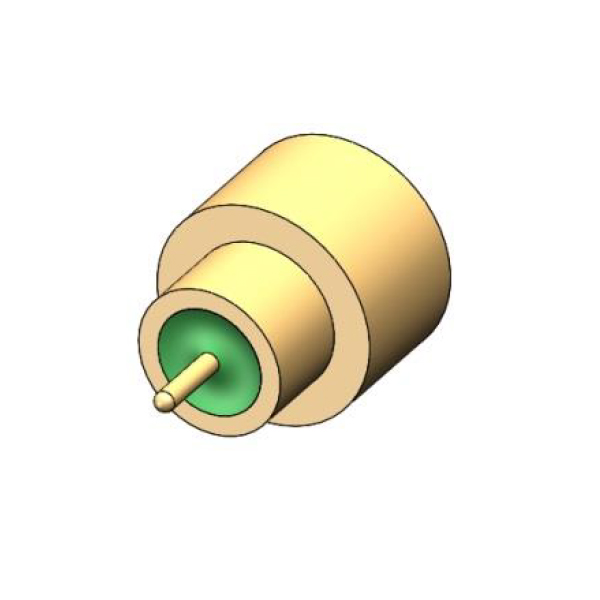
At the heart of every glass-sealed hermetic RF connector lies the RF glass sintered sealed insulator — the component responsible for both electrical isolation of the center conductor and the airtight seal between the conductor and the connector body. Understanding how this insulator works explains why hermetic connectors behave so differently from standard types under environmental stress.
The Sintering Process
Glass powder or preform is placed around the center conductor within the metal shell and fired at temperatures typically between 900°C and 1,100°C. During sintering, the glass flows and wets both the metal pin and the inner wall of the shell, creating a hermetic bond on both interfaces simultaneously. As the assembly cools, the glass contracts slightly into compression, which actually strengthens the seal. The resulting insulator combines the dielectric properties of borosilicate or alumina glass with a thermal expansion coefficient carefully matched to the surrounding metal — most commonly Kovar alloy or stainless steel.
Why Glass Choice Matters for RF Performance
The dielectric constant (εr) and loss tangent (tan δ) of the glass insulator directly affect the connector's RF characteristics. Borosilicate glass (εr ≈ 4.6) is the standard choice for connectors operating up to 18 GHz. For millimeter-wave applications above 40 GHz, lower-loss ceramic or quartz insulators are specified. A poorly chosen insulator material causes impedance mismatch at the seal interface, increasing VSWR and insertion loss — which is why vacuum hermetic RF connectors must be designed as complete RF systems, not simply mechanical assemblies with a glass plug.
Where Hermetically Sealed Connectors Are Non-Negotiable
In most electronics applications, a standard connector performs adequately. But in the following environments, substituting a hermetic connector with a standard alternative is not a cost-saving measure — it is an engineering failure waiting to happen.
Leak Rate Requirement by Application (He cc/sec)
Space / Satellite
≤1×10⁻¹⁰ cc/sec
Military / Defense
≤1×10⁻⁹ cc/sec
Medical Implants
≤1×10⁻⁹ cc/sec
Vacuum Instrumentation
≤1×10⁻⁸ cc/sec
Industrial Sensors
≤1×10⁻⁷ cc/sec
Aerospace and Satellite Systems
Satellites and launch vehicles operate in hard vacuum for years without possibility of maintenance. Any moisture or gas that infiltrates RF connectors causes corrosion of center pins, dielectric absorption, and signal degradation that cannot be corrected in orbit. High frequency hermetic feedthroughs rated for space use must withstand thermal cycling from -180°C to +125°C and outgassing requirements per ASTM E595.
Military-Grade Electronics
Military grade hermetic connectors must pass environmental testing per MIL-STD-810 — covering salt fog, sand and dust, extreme altitude, vibration, and shock. In radar, electronic warfare, and secure communication systems, a corroded or moisture-infiltrated connector can mean mission failure. The investment in hermetic construction pays for itself against the cost of field failures in hostile environments.
Vacuum and Scientific Instruments
RF vacuum feedthrough connectors allow RF signals to pass through the walls of vacuum chambers — in semiconductor manufacturing (ion implanters, sputtering systems), particle accelerators, and analytical instruments — without compromising the internal vacuum. Even a tiny gas leak disrupts processes that depend on pressures below 10⁻⁶ Torr.
Medical Implantable Devices
Cardiac pacemakers, neural stimulators, and cochlear implants use hermetic feedthroughs to pass electrical signals through titanium enclosures into body tissue. The hermetic seal prevents body fluids from reaching internal electronics while simultaneously isolating the body from the device's electrical components — a dual protection requirement that only true hermetic construction can guarantee.
Oil, Gas, and Downhole Sensing
Downhole sensors in oil and gas drilling face pressures exceeding 20,000 psi and temperatures above 175°C. Standard connectors with elastomeric seals fail rapidly under these conditions. Hermetically sealed connectors with glass-to-metal seals maintain full electrical performance and signal integrity at depths and temperatures that destroy conventional designs.
Communication Base Station Equipment
High-power RF connectors on outdoor base station equipment face years of thermal cycling and moisture exposure. While not always requiring full hermetic certification, RF connectors that incorporate glass sintered insulator technology deliver substantially longer service lives than standard PTFE-insulated equivalents in outdoor installations.
RF Performance Characteristics of Hermetic Connectors
A common misconception is that hermetic construction inherently compromises RF performance. In practice, a well-engineered vacuum hermetic RF connector achieves VSWR and insertion loss figures competitive with high-quality standard connectors across a wide frequency range — and delivers superior performance stability over time because the dielectric properties of the glass insulator do not change with humidity, unlike PTFE or other polymer insulators that absorb trace moisture.
VSWR Stability Over Time: Hermetic vs Standard Connector (Outdoor Environment)
Illustrative model based on field aging data; hermetic connectors maintain stable VSWR while standard connectors degrade with moisture ingress
Key RF performance parameters for a quality high frequency hermetic feedthrough should include:
- Frequency range: Up to 18 GHz for standard SMA-style hermetic connectors; up to 65 GHz for 2.4 mm and 1.85 mm hermetic types
- VSWR: Typically 1.15:1 or better up to rated frequency when properly 50-ohm matched
- Insertion loss: 0.1–0.3 dB at 10 GHz depending on design and glass formulation
- Dielectric withstanding voltage: 500 V AC minimum; 1,500 V AC or higher for high-voltage hermetic feedthroughs
- Insulation resistance: ≥5,000 MΩ at 500 V DC, maintained throughout the operating temperature range
How to Select the Right Hermetic RF Connector for Your Application
Specifying the wrong hermetic connector type — even among hermetically sealed designs — can result in impedance mismatch, insufficient pressure rating, or thermal expansion failures. The following decision framework covers the most critical selection parameters.
- Define your required leak rate — Determine whether your application requires fine leak (≤1×10⁻⁸ cc/sec) or gross leak testing. Space and medical applications require the most stringent fine leak rates; industrial sensors may accept less stringent specifications. This determines whether you need a standard glass-sintered design or a more complex dual-seal hermetic assembly.
- Specify frequency range and impedance — Most RF vacuum feedthrough connectors are designed for 50-ohm characteristic impedance. Confirm the upper frequency limit of your signal path. SMA-based hermetic connectors cover DC to 18 GHz; N-type hermetics cover DC to 11 GHz; 2.92 mm and smaller formats extend coverage to 40 GHz and beyond.
- Confirm operating temperature range — Match the connector's rated thermal range to your application's full environmental envelope, including storage temperature, not just operating temperature. Verify that the glass-to-metal seal has been qualified through the full temperature cycling range your design requires.
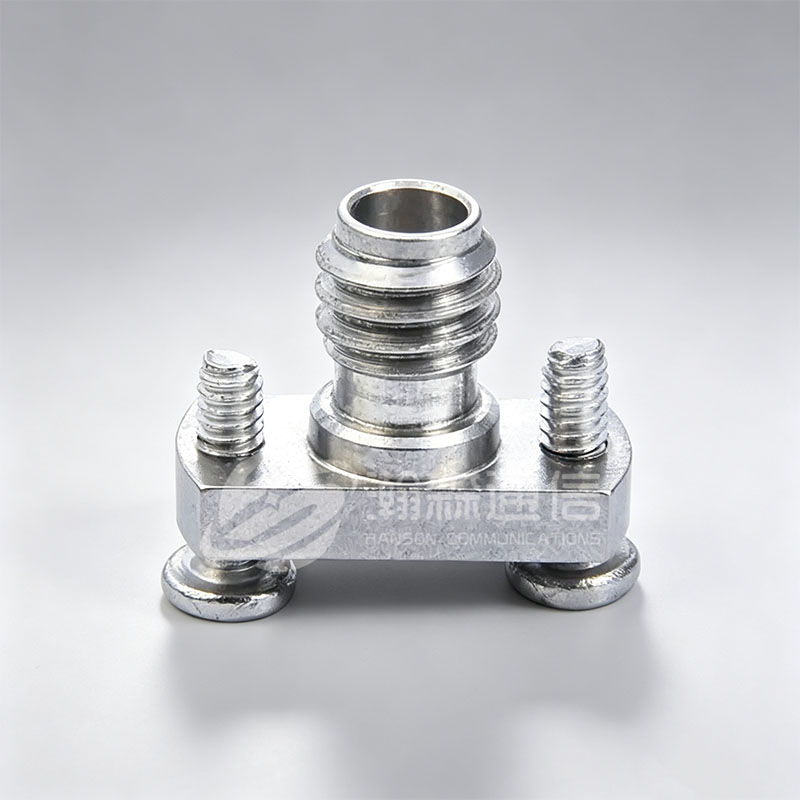
- Determine mounting configuration — High frequency hermetic feedthroughs are available in flange-mount, bulkhead-mount, and panel-mount configurations. The mounting method affects both mechanical integrity and RF performance, particularly if the connector must pass through a pressure vessel or vacuum chamber wall.
- Require third-party leak test data — Any reputable hermetic connector manufacturer should be able to supply helium mass spectrometry leak test reports for each production batch. Batch-level testing is the minimum acceptable standard; individual unit testing is required for flight-critical and implantable applications.
About Ningbo Hanson — Hermetically Sealed RF Connectors with 30+ Years of Expertise
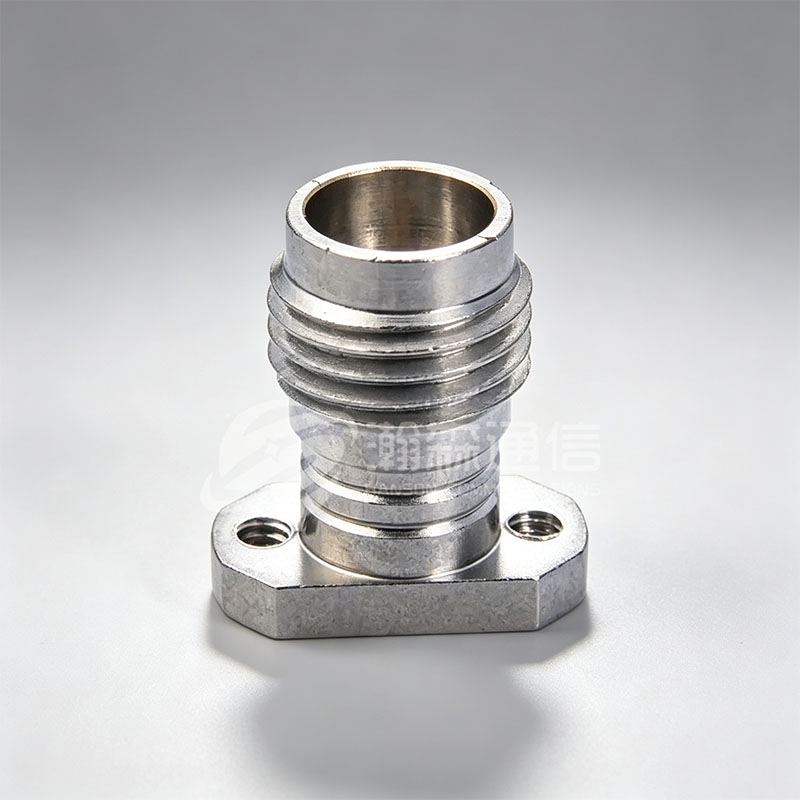
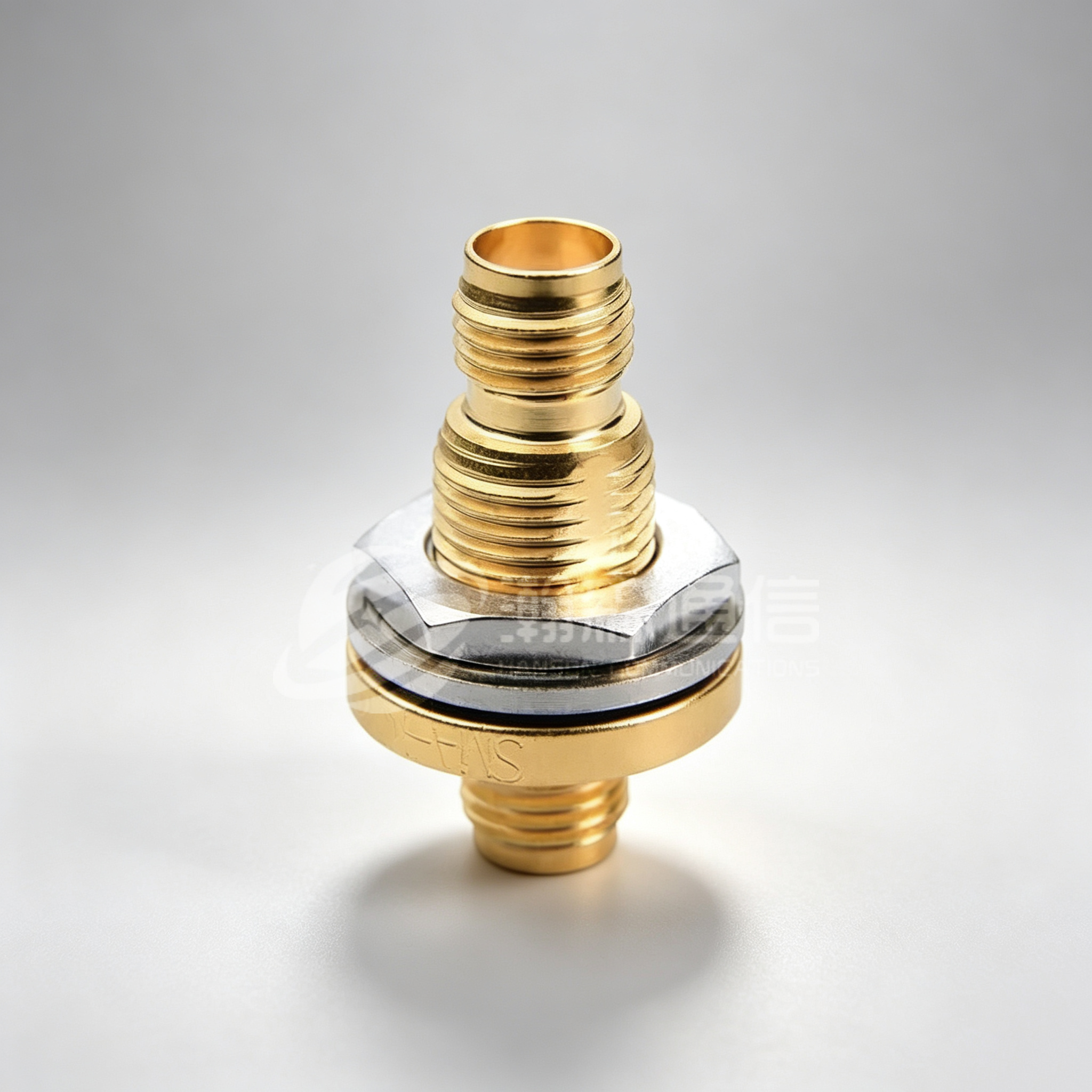
Ningbo Hanson Communication Technology Co., Ltd. is a professional China hermetically sealed connector manufacturer and wholesale RF glass sintered sealed insulator factory, with over 30 years of experience in RF coaxial connectors, adapters, and cable assemblies. Hanson's production infrastructure includes dedicated machining, electroplating, and assembly workshops, all operating under ISO9001 international quality management system certification.
Hanson's hermetic and standard RF connector products serve customers in aerospace, communication base stations, medical equipment, and other high-tech fields, with an established track record of supplying custom hermetic feedthrough solutions to demanding applications worldwide.
Airtight Seal Technology
Hanson's hermetic sealing structures effectively isolate gas and gaseous media, maintaining stable internal environments that prevent gas leakage or contamination across the full product service life.
RF Coaxial Connector Expertise
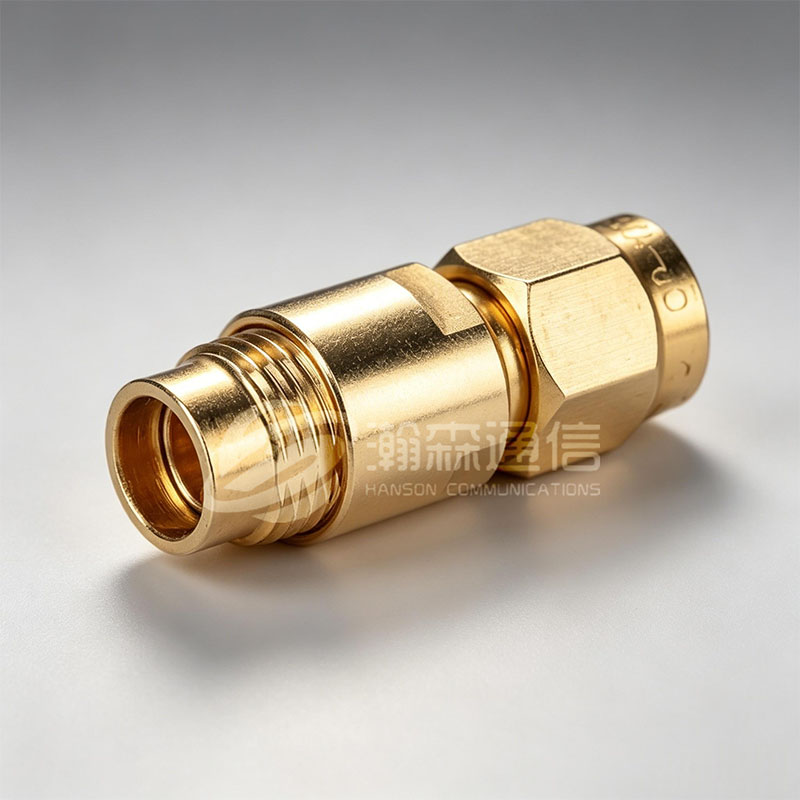
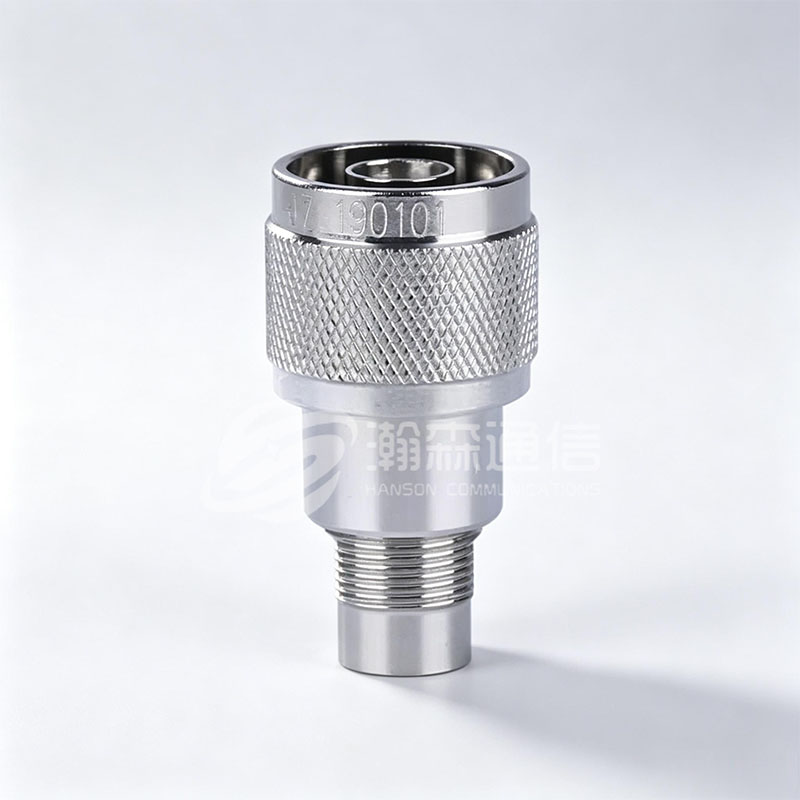
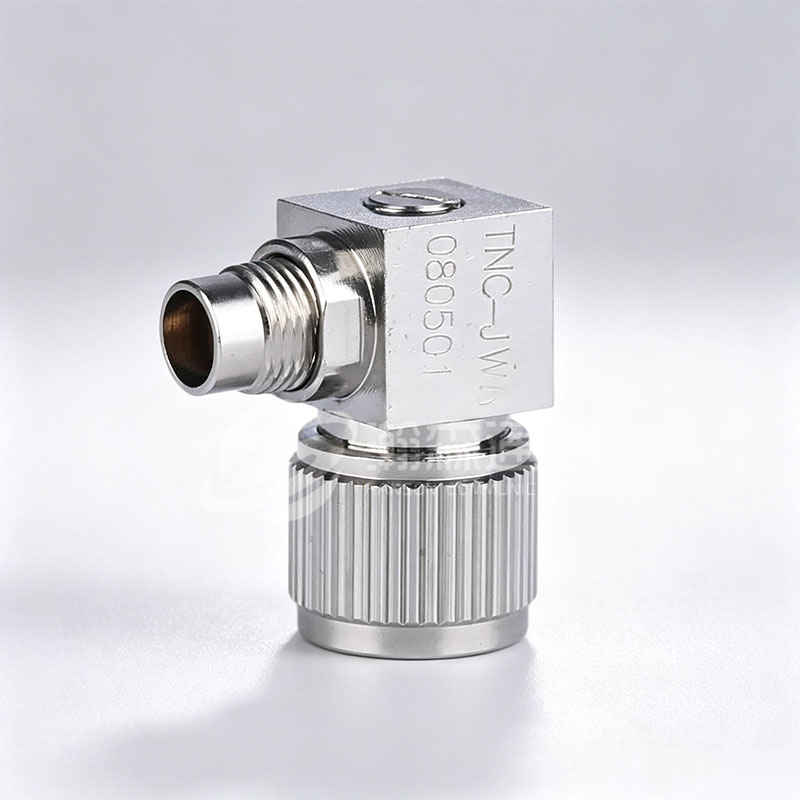
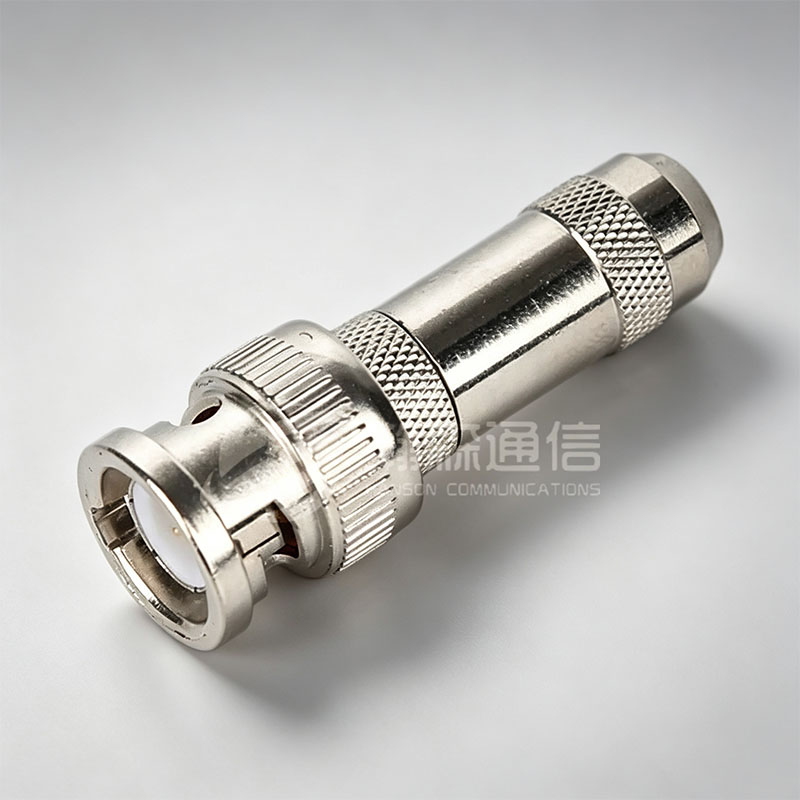
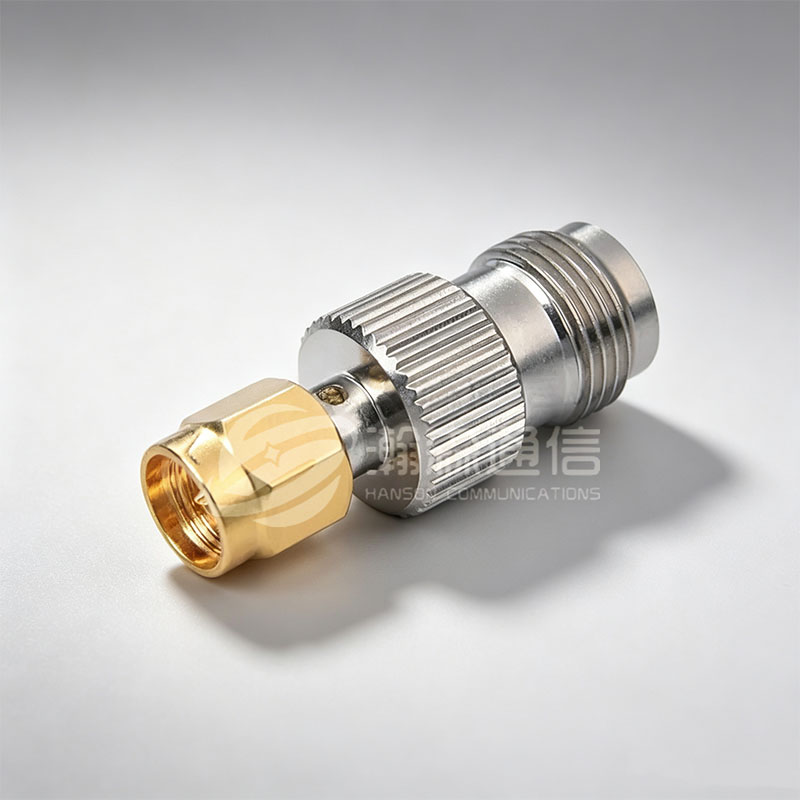
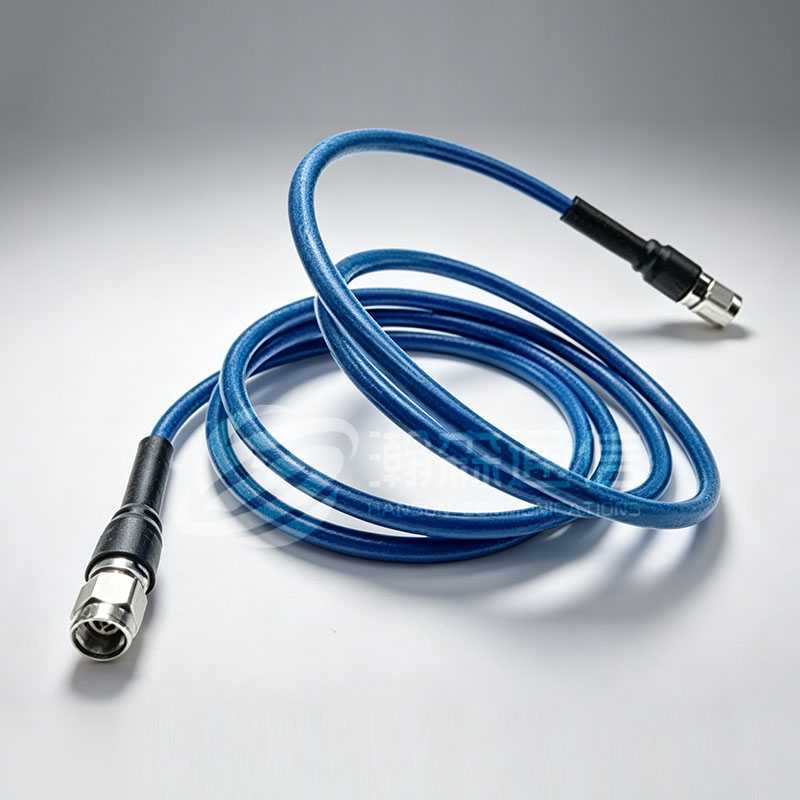
Main products include RF coaxial connectors, adapters, high-frequency cable assemblies, and low intermodulation cable assemblies — covering standard and hermetic variants across SMA, N-type, TNC, BNC, and other interface series.
Custom Hermetic Solutions
Hanson provides full OEM and custom design services for customers with special hermetic connector requirements, including non-standard flange configurations, multi-pin hermetic feedthroughs, and custom glass formulations.
ISO9001 Quality System
Operating under ISO9001 quality management, Hanson maintains comprehensive product lifecycle traceability and continuously improves manufacturing processes to meet evolving customer requirements in aerospace, defense, and medical markets.
Frequently Asked Questions About Hermetically Sealed Connectors
Looking For Business Opportunity?
Request for a call today
-

+86-15715730755
-

-

No. 1, Longcao Road, Dongqian Lake Tourism Resort Industrial Zone, Yinzhou District, Ningbo City, Zhejiang, China.
Message
Copyright © Ningbo Hanson Communication Technology Co., Ltd.
