


 English
 русский
Industry News
 Home / News / Industry News / How to Test Hermetically Sealed Connectors: 5 Steps for 99% Leak-Free Assurance
 How to Test Hermetically Sealed Connectors: 5 Steps for 99% Leak-Free Assurance
 2026.04.30
 Industry News
The most reliable way to achieve 99% leak-free assurance in a Hermetically Sealed Connector is to follow a structured five-step test protocol combining visual inspection, gross leak screening, fine leak helium mass spectrometry, electrical verification, and environmental stress confirmation. Skipping any of these steps — particularly fine leak testing — leaves failure modes undetected that only manifest after deployment in aerospace, medical, or high-frequency communication environments.
This guide explains each step in practical terms, specifies the relevant standards, and identifies the acceptance criteria that separate a genuinely hermetic assembly from one that merely passes a superficial check.
Content
- 1 Why Hermeticity Testing Cannot Be Treated as Optional
- 2 Understanding Hermetic Seal Construction Before Testing
- 3 Step 1 — Visual and Dimensional Inspection
- 4 Step 2 — Gross Leak Test (Bubble or Dye Penetrant)
- 5 Step 3 — Fine Leak Test by Helium Mass Spectrometry
- 6 Step 4 — Electrical Performance Verification
- 7 Step 5 — Environmental Stress Testing to Confirm Long-Term Seal Integrity
- 8 Common Causes of Test Failure and How to Address Them
- 9 About Ningbo Hanson Communication Technology Co., Ltd.
- 10 Frequently Asked Questions
Why Hermeticity Testing Cannot Be Treated as Optional
A Hermetic Electrical Connector is engineered to maintain a gas-tight seal between two environments — typically the inside of a sealed enclosure and the external atmosphere. Failure of this seal allows moisture, oxygen, or contaminants to enter, triggering corrosion, short circuits, signal degradation, or in pressurized systems, catastrophic structural failure.
The consequences vary significantly by application. In implantable medical devices, a seal failure can endanger a patient's life. In aerospace electronics, it can cause mission-critical system loss. In RF Glass Sintered Sealed Insulator assemblies used in communication base stations, even a micro-leak can cause impedance instability and intermodulation distortion that degrades network performance across thousands of connected users.
Industry data from MIL-STD-883 qualification programs shows that up to 15% of hermetic connector failures in the field originate from seals that passed only gross leak testing but were never subjected to fine leak verification — underscoring the necessity of a complete protocol.
Understanding Hermetic Seal Construction Before Testing
Effective testing starts with understanding what you are testing. High Reliability Hermetic Connectors are typically constructed using one of three sealing technologies:
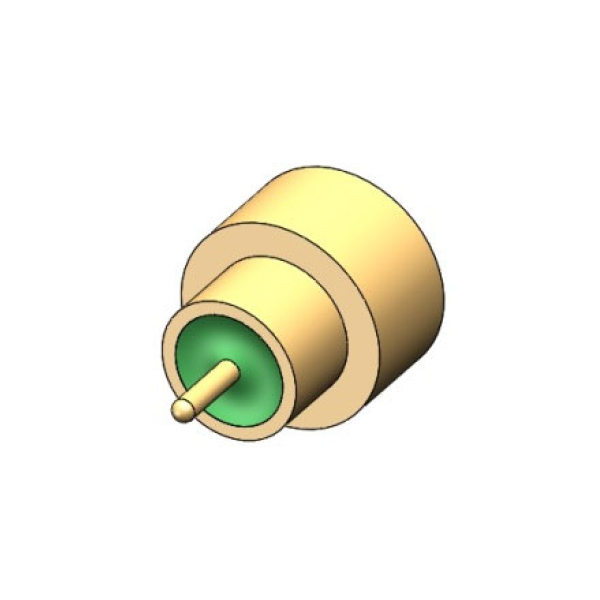
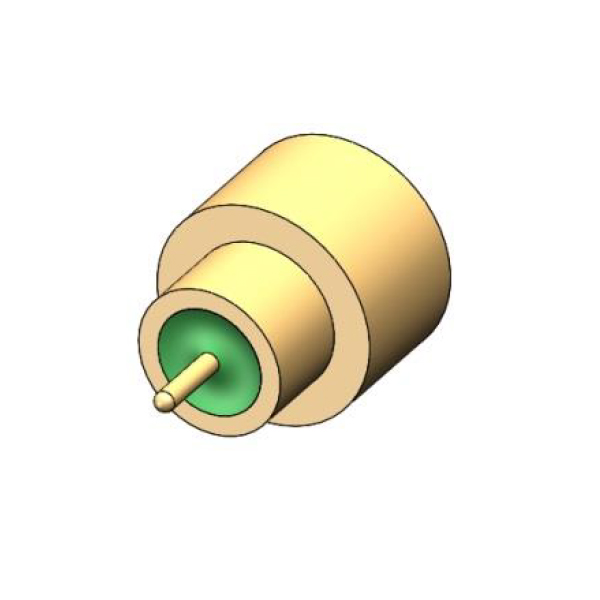
- Glass-to-metal seal (GTMS): A borosilicate or soda-lime glass is fused between the metal pin and the connector body at high temperature. The RF Glass Sintered Sealed Insulator is the most common form, providing excellent hermeticity and RF performance simultaneously.
- Ceramic-to-metal seal: Alumina ceramic is brazed to the metal shell using active metal brazing alloys, offering higher temperature resistance than glass seals.
- Epoxy or polymer seal: Used where lower hermeticity standards are acceptable; not suitable for MIL-SPEC or medical-grade applications requiring leak rates below 1 × 10⁻⁸ atm·cc/sec.
The sealing interface — where glass meets metal — is the most vulnerable point. Differential thermal expansion, mechanical shock, and improper installation are the three leading causes of seal degradation, and each of the five testing steps targets one or more of these failure modes.
Step 1 — Visual and Dimensional Inspection
Before any leak test is performed, every Hermetically Sealed Connector should undergo a thorough visual and dimensional inspection. This step eliminates obvious rejects early and prevents contamination of test equipment with damaged parts.
What to Check Visually
- Glass or ceramic insulator: inspect for cracks, chips, voids, or delamination at the metal-to-glass interface under 10× magnification minimum.
- Pin alignment: misaligned center conductors in coaxial hermetic connectors create mechanical stress on the seal during mating.
- Plating integrity: pinholes or bare metal spots indicate incomplete protective coating, which can mask corrosion-induced seal damage.
- Body markings and lot traceability: confirm part number, date code, and any certification marks are legible and consistent with documentation.
Applicable standard: MIL-STD-790 and IPC-A-610 define workmanship criteria for visual acceptance of electronic connectors. For Miniature Hermetically Sealed Connectors, microscopic inspection at 20–40× is recommended given the reduced feature sizes.
Step 2 — Gross Leak Test (Bubble or Dye Penetrant)
The gross leak test screens for large seal failures — those with leak rates greater than approximately 1 × 10⁻³ atm·cc/sec. Two methods are commonly used:
Fluorocarbon Immersion (Bubble Test)
The connector is pressurized with dry nitrogen or helium and submerged in a fluorocarbon liquid (such as FC-72) heated to 125°C. Continuous streams of bubbles indicate a gross leak. Per MIL-STD-883 Method 1014, the acceptance criterion is no continuous bubbles for a specified observation period — typically 30 seconds.
Dye Penetrant Test
A fluorescent dye is applied under pressure to the external surface. After a dwell period, UV inspection reveals dye ingress at any crack or void. This method is particularly effective for identifying hairline cracks at the glass-to-metal interface of RF Glass Sintered Sealed Insulator assemblies.
Important limitation: Gross leak testing alone is insufficient for High Reliability Hermetic Connectors. A connector can pass the gross leak test while still having a fine leak that causes failure over a 10–15 year service life in sealed equipment.
Step 3 — Fine Leak Test by Helium Mass Spectrometry
Fine leak testing is the most critical and technically demanding step. It detects leak rates as low as 1 × 10⁻¹⁰ atm·cc/sec — three orders of magnitude more sensitive than gross leak methods. The standard approach follows MIL-STD-883 Method 1014, Condition A.
Test Procedure
- Place the connector in a helium bomb chamber pressurized to 2–6 atm of helium for a specified dwell time (typically 2–4 hours depending on connector internal volume).
- Remove the connector and place it in the mass spectrometer leak detector within the maximum transfer time specified by the standard (typically 1 hour for small-volume packages).
- Measure helium emission rate. The acceptance criterion per MIL-STD-883 for most hermetic packages is R1 ≤ 5 × 10⁻⁸ atm·cc/sec.
For Miniature Hermetically Sealed Connectors with very small internal volumes, the dwell time and transfer time must be recalculated using the equations in Appendix A of MIL-STD-883 Method 1014 to account for the reduced helium reservoir — otherwise results will be falsely optimistic.
| Leak Rate (atm·cc/sec) | Classification | Detection Method | Typical Application |
|---|---|---|---|
| > 1 × 10⁻³ | Gross Leak | Bubble / Dye Penetrant | Screening reject |
| 1 × 10⁻⁵ to 1 × 10⁻³ | Intermediate Leak | Helium Sniffer | Industrial connectors |
| 1 × 10⁻⁸ to 1 × 10⁻⁵ | Fine Leak | Helium Mass Spectrometer | Aerospace, RF hermetic |
| < 1 × 10⁻⁸ | Ultra-Fine Leak | Helium Mass Spec (extended) | Medical implants, space |
Step 4 — Electrical Performance Verification
A connector that passes leak testing must also confirm that the sealing process has not degraded its electrical performance. This is particularly important for Hermetic Electrical Connectors used in RF and high-frequency applications, where the glass or ceramic dielectric directly affects impedance and signal integrity.
Key Electrical Parameters to Verify
- Insulation Resistance (IR): Measured between pin and shell at 500 VDC minimum. Acceptance criterion for MIL-grade hermetic connectors is typically ≥ 5,000 MΩ at room temperature and ≥ 100 MΩ at 125°C.
- Dielectric Withstanding Voltage (DWV): Applied at 1.5–2× rated working voltage for 60 seconds with no breakdown or flashover. Tests the integrity of the glass insulator under electrical stress.
- Contact Resistance: Measured at low current (10–100 mA) to verify the signal path. For coaxial RF hermetic connectors, center pin contact resistance should be ≤ 10 mΩ.
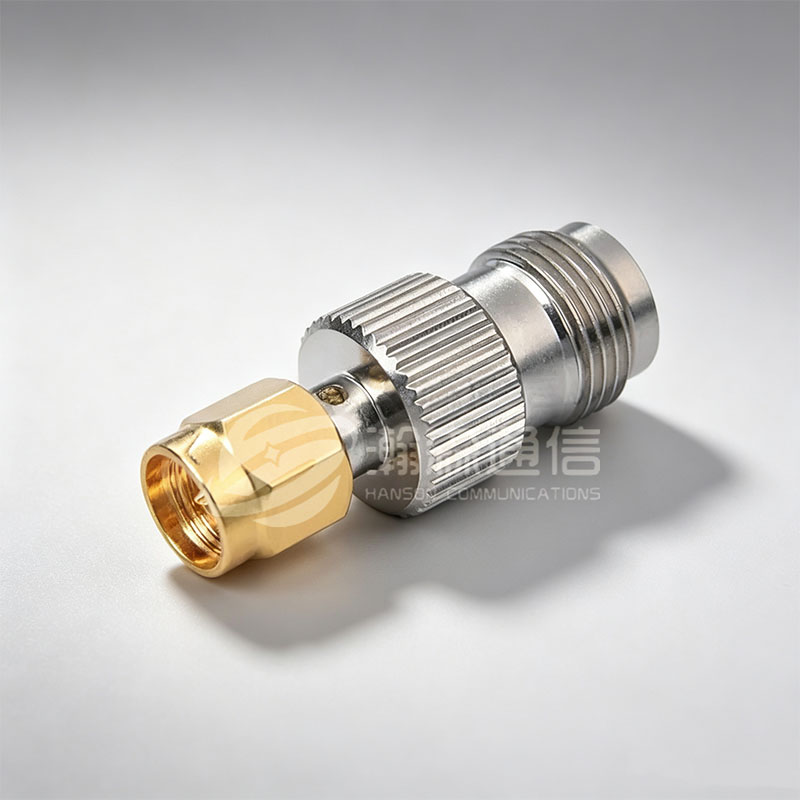
- VSWR / Return Loss: For RF Glass Sintered Sealed Insulator connectors, vector network analyzer (VNA) measurement confirms impedance match. A VSWR of ≤ 1.3:1 up to the rated frequency is a common acceptance criterion for SMA and N-type hermetic versions.
Typical first-pass electrical test rate for high-reliability hermetic connectors
Step 5 — Environmental Stress Testing to Confirm Long-Term Seal Integrity
The final step verifies that the hermetic seal survives the thermal, mechanical, and humidity stresses it will encounter in service. Environmental stress testing is not performed on every production unit — it is typically conducted on sample lots, qualification builds, or when a design change is introduced.
Thermal Shock
Per MIL-STD-202 Method 107, connectors are cycled between -65°C and +150°C for a minimum of 10 cycles with a transfer time of 10 seconds or less between extremes. The differential thermal expansion between glass and metal is the primary stress driver. Fine leak testing is performed immediately after thermal shock to detect any seal cracking induced by the test.
Mechanical Shock and Vibration
For aerospace-rated High Reliability Hermetic Connectors, MIL-STD-202 Method 213 (mechanical shock at 500g, 1ms half-sine) and Method 204 (vibration, 20–2,000 Hz) are applied. Post-test hermeticity and electrical verification confirm no seal degradation from structural loading.
Damp Heat and Salt Spray
85°C / 85% RH damp heat exposure for 1,000 hours followed by fine leak retesting is standard practice for connectors destined for marine, outdoor communication, or tropical-climate applications. Salt spray testing per ASTM B117 (48–96 hours) verifies the integrity of metal plating that protects the seal interface from corrosive ingress.
Full 5-Step Protocol (cumulative failure %) Gross Leak Test Only (cumulative failure %)
Common Causes of Test Failure and How to Address Them
Understanding why hermetic connectors fail testing is as important as knowing how to test them. The table below summarizes the most frequent failure modes and their root causes:
| Failure Mode | Root Cause | Detected at Step | Corrective Action |
|---|---|---|---|
| Glass crack at seal interface | Thermal mismatch, over-torque | Step 1 / Step 3 | Review CTE matching; control installation torque |
| Insulation resistance drop | Moisture ingress at micro-leak | Step 4 (post damp heat) | Improve seal surface cleanliness; bake dry before sealing |
| VSWR out of spec | Air void in glass dielectric | Step 4 | Tighten glass sintering process parameters |
| Helium leak after thermal shock | Residual stress from assembly | Step 5 | Introduce post-seal annealing cycle |
| Plating failure under salt spray | Insufficient plating thickness | Step 5 | Specify minimum 3 µm gold over 2.5 µm nickel |
About Ningbo Hanson Communication Technology Co., Ltd.
Selecting a qualified manufacturer is as important as having a rigorous test protocol. A supplier with in-house machining, electroplating, and assembly capabilities — all under a single quality management system — minimizes the inter-process variation that most commonly produces marginal seals.
Ningbo Hanson Communication Technology Co., Ltd.
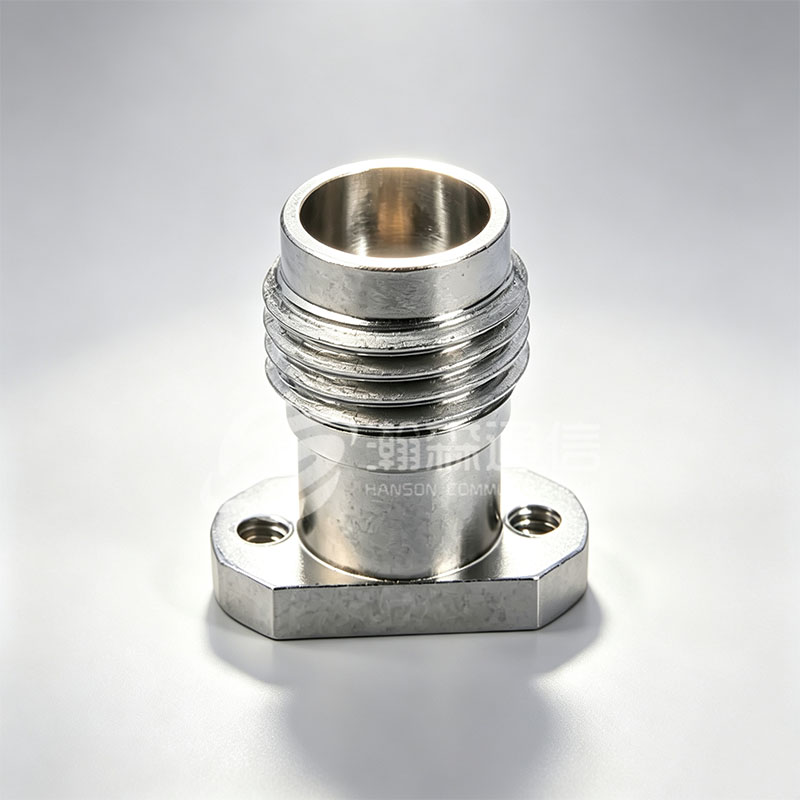
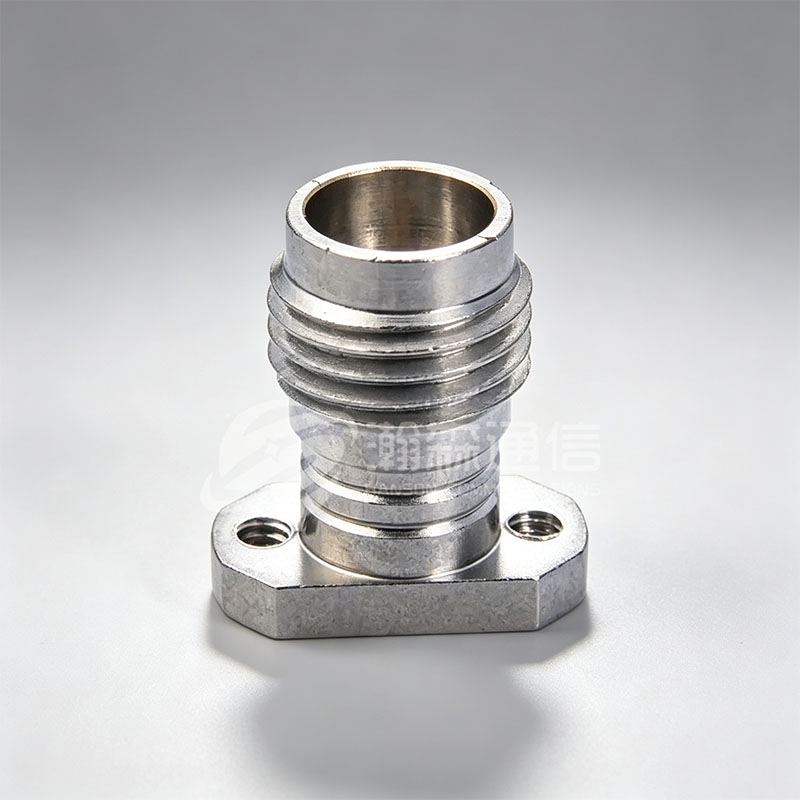
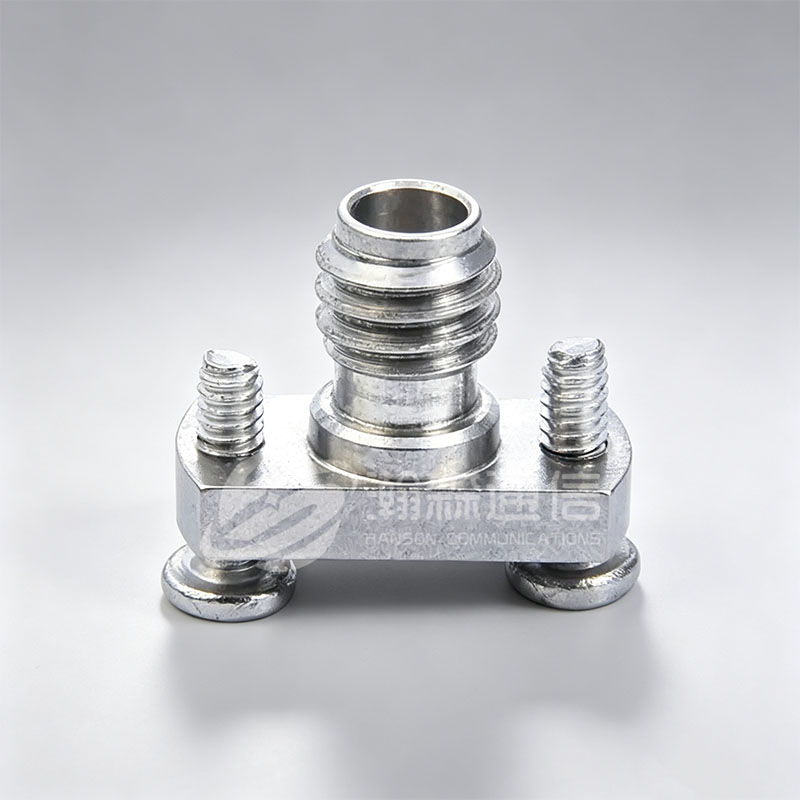
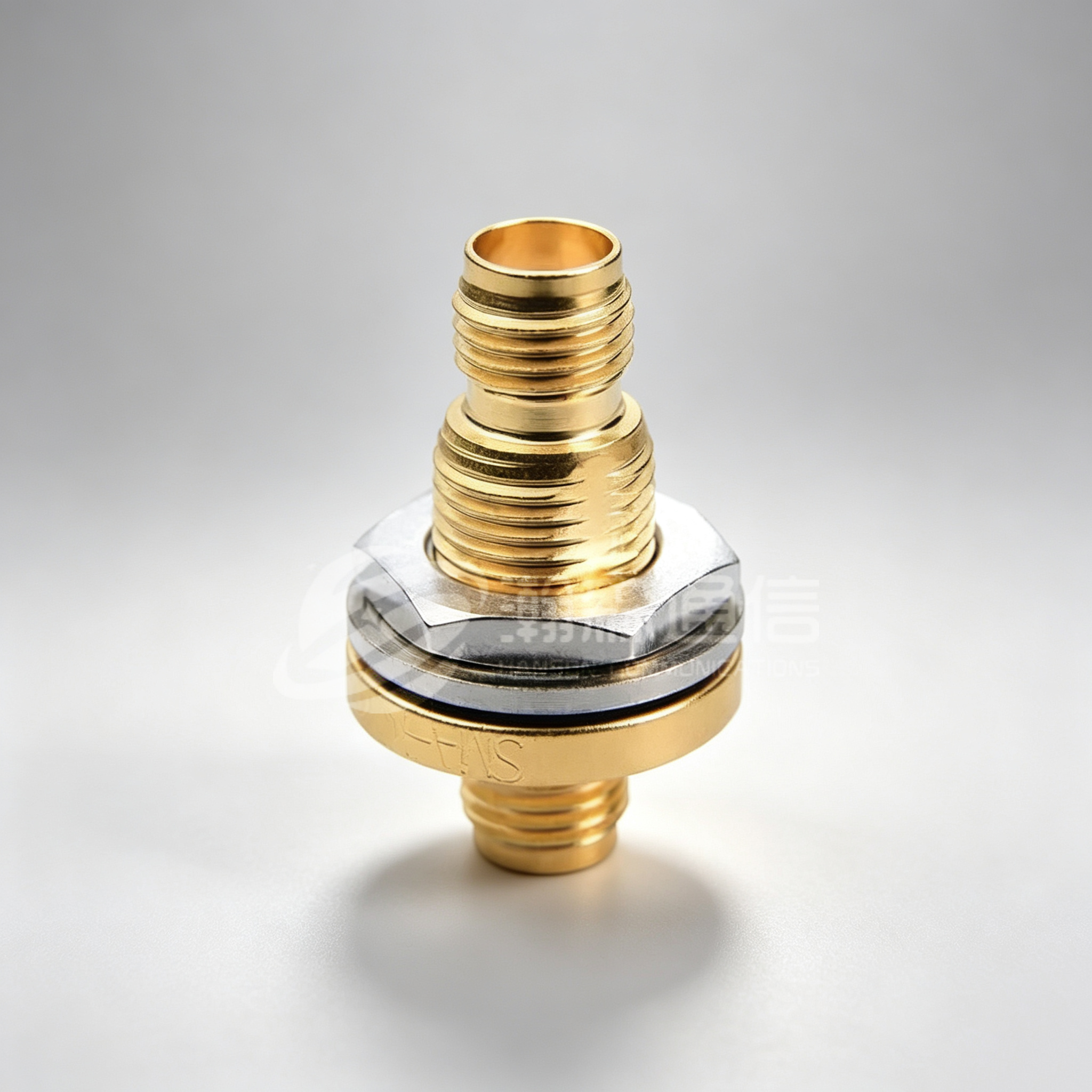
Ningbo Hanson Communication Technology Co., Ltd. is a professional China Hermetically Sealed Connector manufacturer and wholesale RF Glass Sintered Sealed Insulator factory. With more than 30 years of experience in RF coaxial connectors, adapters, and cable assemblies, the company operates its own machining workshop, electroplating workshop, and assembly workshop, supported by a network of stable and reliable component suppliers.
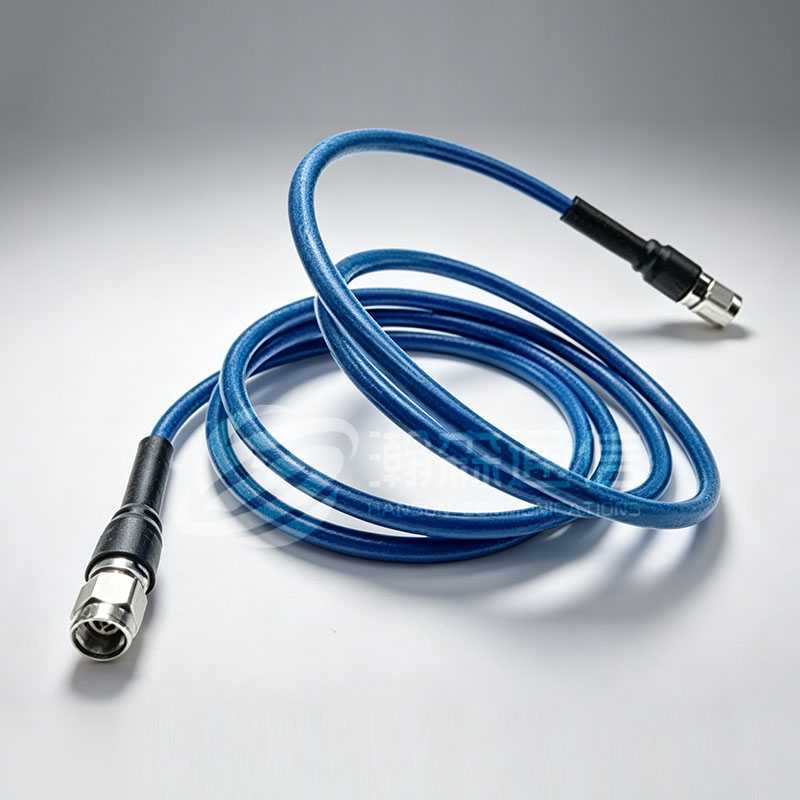
Core products include RF coaxial connectors, adapters, high-frequency cable assemblies, and low intermodulation cable assemblies. Custom OEM and ODM services are available for customers with special product requirements. Products are widely used in aerospace, communication base stations, medical equipment, and other high-technology fields.
The company operates under the ISO 9001 international quality management system and maintains full product lifecycle traceability, ensuring consistent performance and reliable hermetic integrity across every shipment.
Frequently Asked Questions
Looking For Business Opportunity?
Request for a call today
-

+86-15715730755
-

-

No. 1, Longcao Road, Dongqian Lake Tourism Resort Industrial Zone, Yinzhou District, Ningbo City, Zhejiang, China.
Message
Copyright © Ningbo Hanson Communication Technology Co., Ltd.
